READRAW | PORTFOLIO
Read. Rethink. Redraw.
READRAW — Turn Information into Understanding
READRAW transforms passive reading into active thinking through visual journaling, collage, and structured note-taking. By combining cognitive learning strategies with creative practices, the project helps people extract meaningful information, connect ideas, and develop their own visual language.ACT I — THE PROBLEM
YOU READ.
YOU FORGET.
YOU REPEAT.
The cycle of passive learning
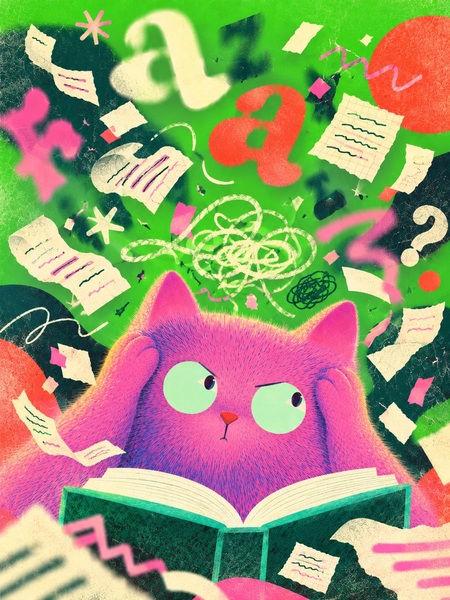
Think about the last book you finished. Perhaps you highlighted important passages, saved interesting quotations, or wrote down a few ideas.But how much of that information could you explain today without opening the book again?We are surrounded by information, but how much of it actually becomes our knowledge?
Collecting information is not the same as understanding it.
We read books, watch lectures, save articles, and accumulate notes.
Yet collecting information does not guarantee that we understand or remember it.
Without active reflection, ideas often remain disconnected fragments rather than becoming part of our own thinking.
More information does not automatically mean more knowledge.
ACT II — THE INSIGHT
FROM INFORMATION TO UNDERSTANDING
Learning begins when we transform what we read.
Understanding requires more than recognizing familiar words.When we select important ideas, explain them in our own words, connect them to existing knowledge, and represent them visually, we engage with information more actively.The goal is not simply to preserve someone else’s thoughts.The goal is to develop our own.
Read. Rethink. Redraw.
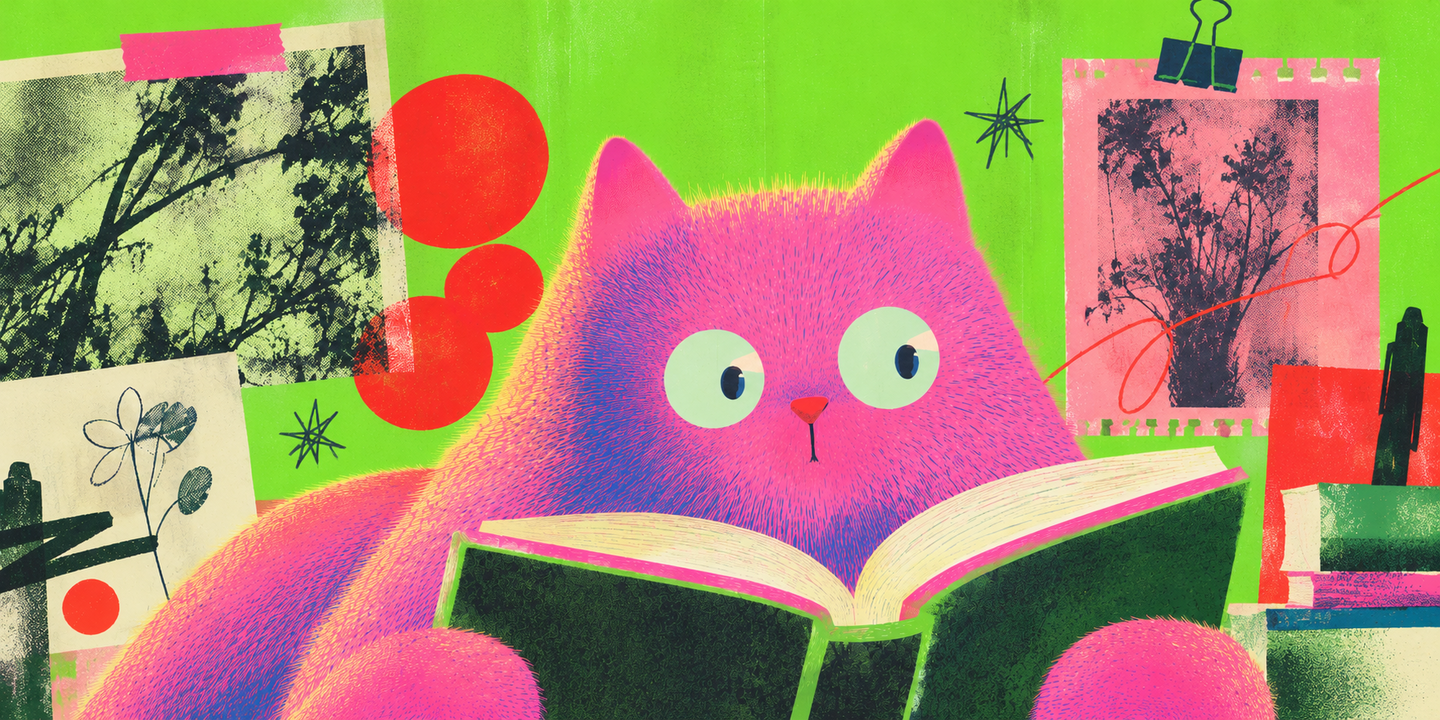
READRAW is a creative learning system that combines visual journaling, collage, and structured note-taking.
It offers practical methods for extracting meaningful information from books, exploring connections between ideas, and transforming abstract concepts into visual representations.
A notebook becomes more than a place to store information. It becomes a space for thinking.
ACT III — THE METHOD
HOW READRAW WORKS
Four steps from reading to visual understanding
01 — EXTRACT
Identify key ideas, questions, and arguments.02 — CONNECT
Find relationships between concepts, experiences, and existing knowledge.03 — VISUALIZE
Translate information into diagrams, illustrations, collages, and visual metaphors.04 — RECALL
Reconstruct and explain the ideas without relying on the original text.The process encourages active engagement with information rather than passive consumption.
THINKING THROUGH IMAGES
A visual journal is not just a beautiful notebook.
Visual journaling brings together words, images, colors, symbols, and spatial relationships.
Collage allows seemingly unrelated ideas to interact, creating unexpected associations and new interpretations.
The purpose is not decoration.
The purpose is to make thinking visible.
ACT IV — SELECTED WORKS
MY VISUAL LANGUAGE
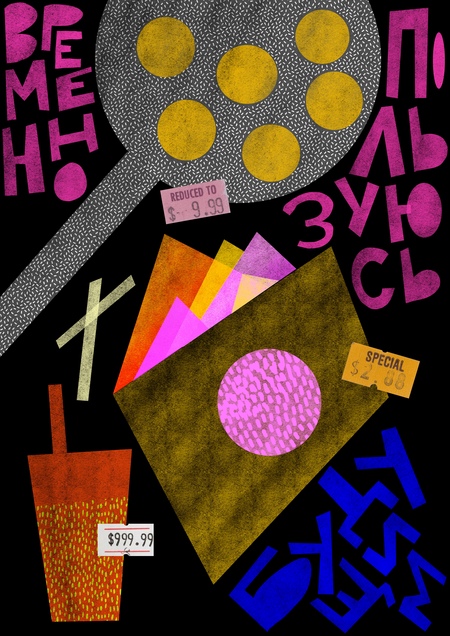
How I translate information into images
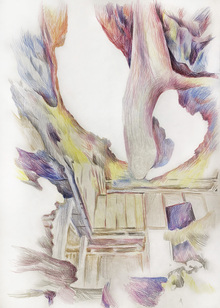
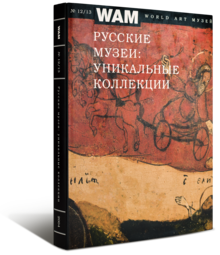
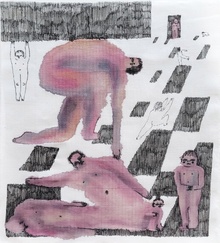
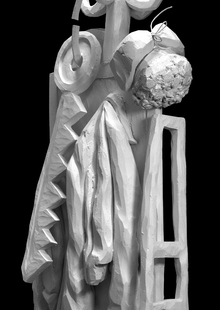
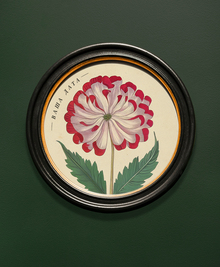
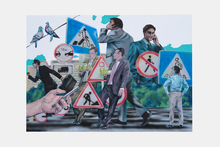
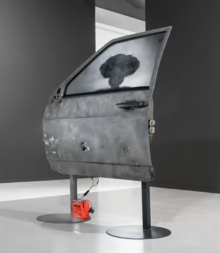
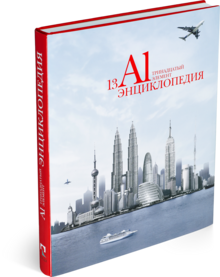
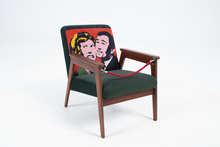
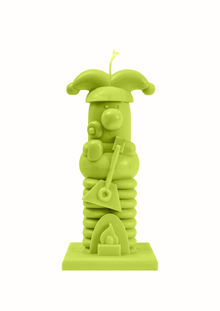
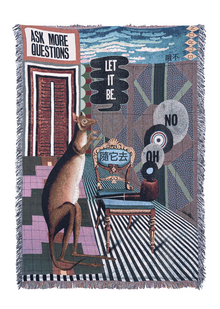
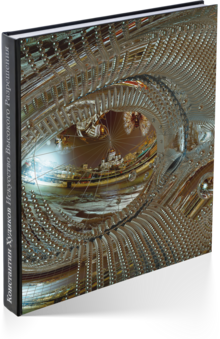
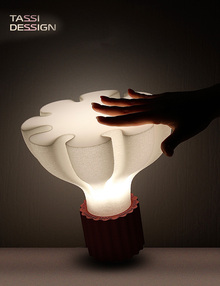
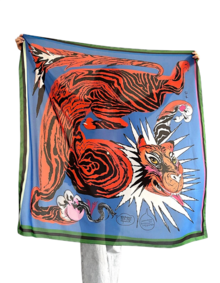
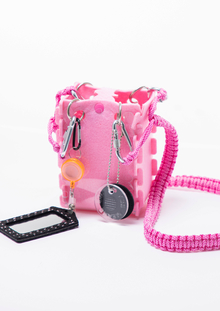
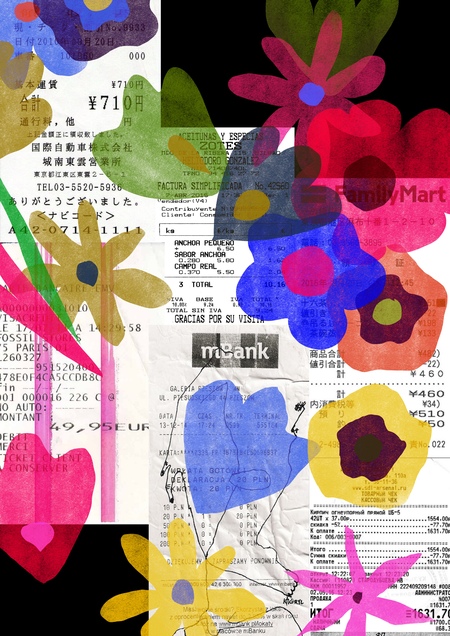
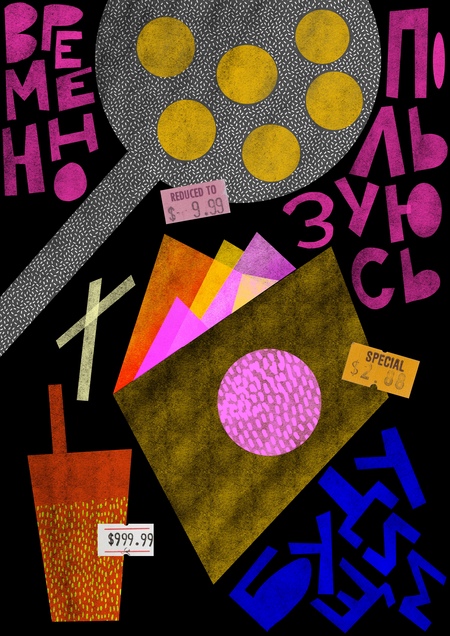
My artistic practice explores the relationship between research, storytelling, visual metaphors, and composition.The following projects demonstrate different approaches to interpreting information through images.Each project begins with a source, a question, or a concept and develops into a personal visual interpretation.From research to meaning. From meaning to image.


ACT V — THE PRODUCT
LEARNING TO THINK VISUALLY
Practical tools for independent learning
Practical tools for independent learning
READRAW is designed as an accessible system of educational materials and creative practices.READING CHECKLISTS
Structured questions and exercises for analyzing books and extracting key ideas.VISUAL JOURNALING GUIDES
Step-by-step methods for organizing information through sketches, diagrams, and collage.CREATIVE WORKSHOPS
Practical exercises that combine reading, visual interpretation, and experimentation.EDUCATIONAL COURSES
Structured learning experiences focused on visual thinking and active engagement with information.
WHO IS IT FOR?
For people who want to do more with what they learn.READRAW is designed for students, readers, artists, creative professionals, and lifelong learners.It is particularly relevant to people who struggle with organizing information, remembering what they read, or transforming knowledge into independent ideas.You don’t need to be an artist to think visually.You need curiosity, a willingness to experiment, and a method to guide you.


BEYOND THE NOTEBOOK
From educational resources to a creative learning ecosystem
READRAW begins with digital checklists, guided exercises, and visual journaling courses.
As the project develops, its product range and sales channels could expand to include physical note-taking and sketching materials, collaborations with publishers, curated books and articles, and programs focused on memory, attention, and creative thinking.
The long-term vision is to build an ecosystem that connects education, creativity, and cognitive skill development.
DON’T JUST READ.
MAKE IT YOURS.
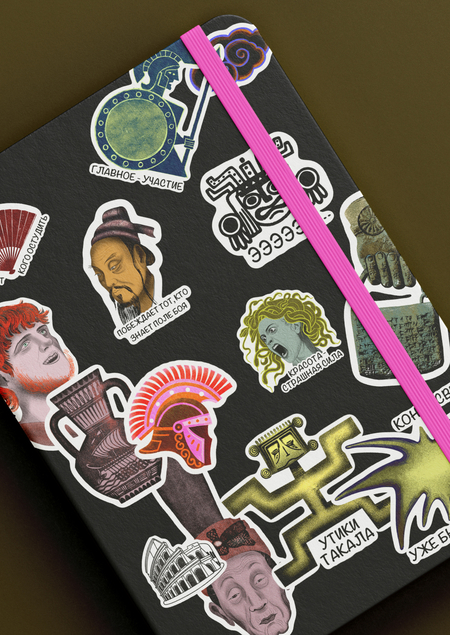
Every book contains someone else’s ideas.What matters is what happens when those ideas encounter our own experiences, questions, and imagination.READRAW encourages people to move beyond collecting information and begin transforming it into something meaningful.READ. RETHINK. REDRAW.Explore the project and discover new ways of thinking visually.LET’S TURN INFORMATION INTO UNDERSTANDING TOGETHER.Email: marina20474@mail.ru
TG: @umbrayazere