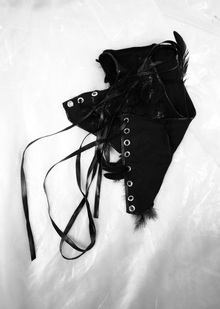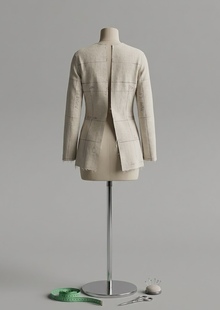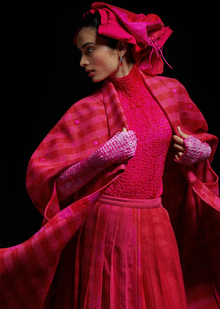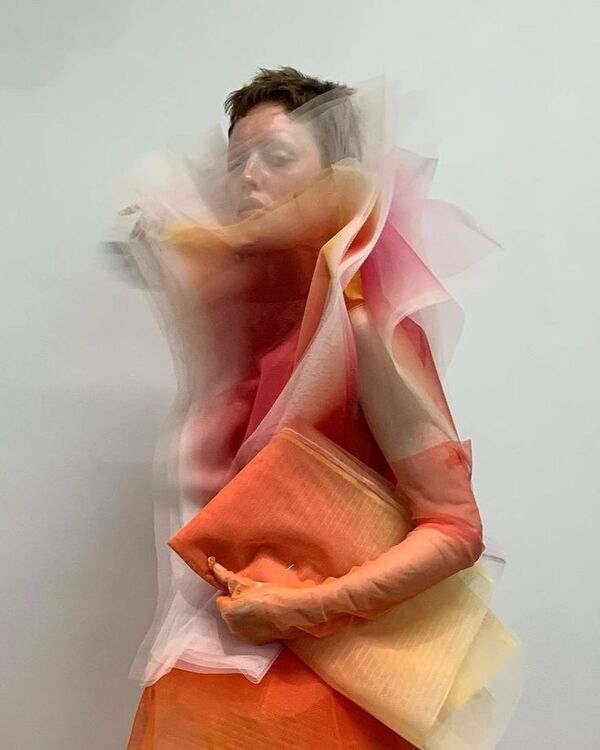
Наряду со сдержанным минимализмом, нейтральными палитрами и «тихой роскошью» в трендбуках и на фэшн-показах появляется всё больше тактильности. Поверхности становятся шероховатыми, ворсистыми и объёмными, а текстильные скульптуры из галерей современного искусства постепенно перемещаются на подиум. Почему и как это происходит? Расскажем и покажем на fashion.deziiign.
Аналитика тренд-агентств
Интерес к сложным фактурам и экспериментальному текстилю отмечают сразу несколько профессиональных источников индустрии.
Аналитики международной текстильной ярмарки Premiere Vision для весенне-летнего сезона 2026 года не только рассказывают о росте интереса к сенсорным тканям и ремесленным техникам, но делают акцент на том, что фактура становится ключевым элементом визуального языка коллекций [1].
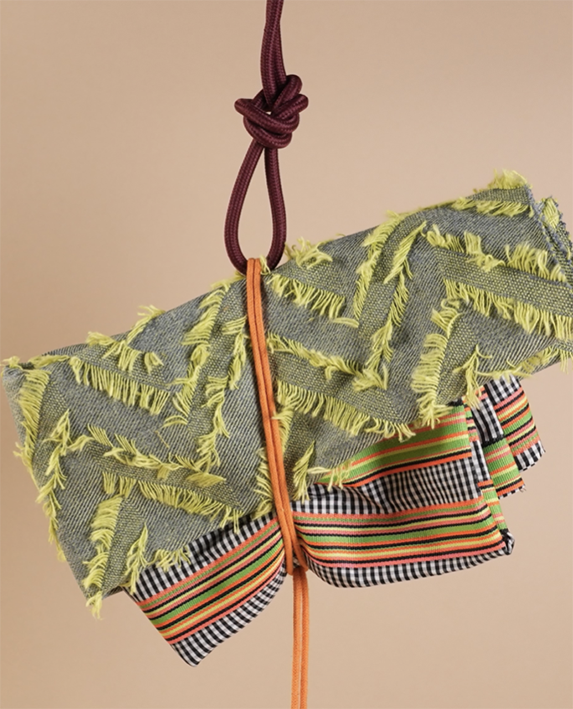
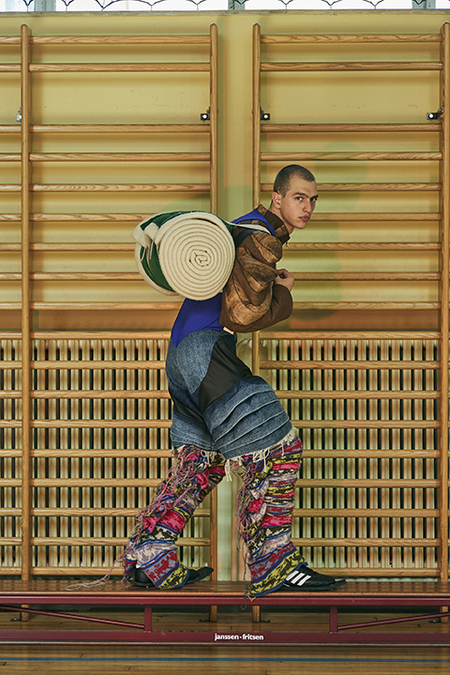
Из отчета о текстильных трендах 2026 года от Premiere Vision. Слева: изображение, сгенерированное с помощью ИИ командой Premiere Vision, справа: Mert Serbest, ITS Contest 2024
Трендбук Texworld Apparel Sourcing Paris также описывает мягкие текстуры, драпированные поверхности и объёмные текстильные элементы как одни из главных акцентов в дизайне одежды и аксессуаров этого года [2].
С точки зрения дата-аналитики интерес к выразительным материалам подтверждают и платформы, работающие с визуальными данными. Например, компания Heuritech, исследующая моду через анализ изображений и потребительских данных, отмечает рост популярности expressive materials — материалов с ярко выраженной фактурой и декоративными переплетениями [3].

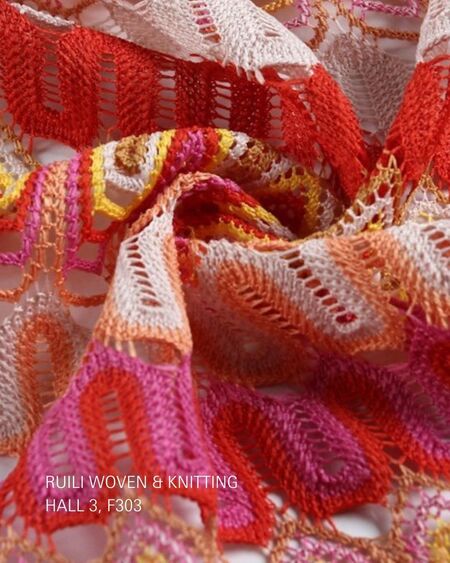
Примеры текстиля от фабрик, представленных на выставке Texworld Paris на 2026-й год. Источник: социальные сети Texworld Paris
Причины возникновения тренда
Устойчивый интерес к фактуре — это не просто ответ на поднадоевшую тихую роскошь. Он связан с глубокими культурными, социальными и экономическими сдвигами.
Во-первых, с феноменом, который можно назвать «постцифровой усталостью»: в эпоху всеобъемлющей цифровизации и сгенерированного искусственным интеллектом отретушированного контента спрос на тактильность и материальность растёт, потому что тело требует ощущения реального мира.
Это продолжение тенденции, начавшейся в пандемию и связанной с материальным поворотом в академических исследованиях, где материя сама по себе становится значимой и субъективно насыщенной (а не просто фоном для формы или основой для действий человека).
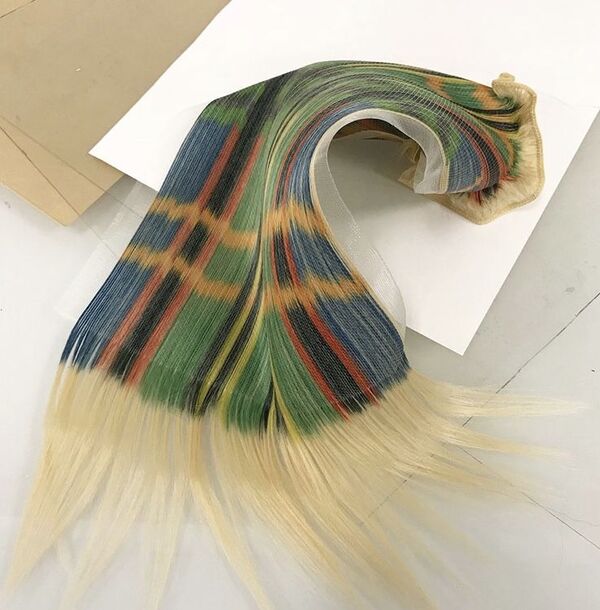
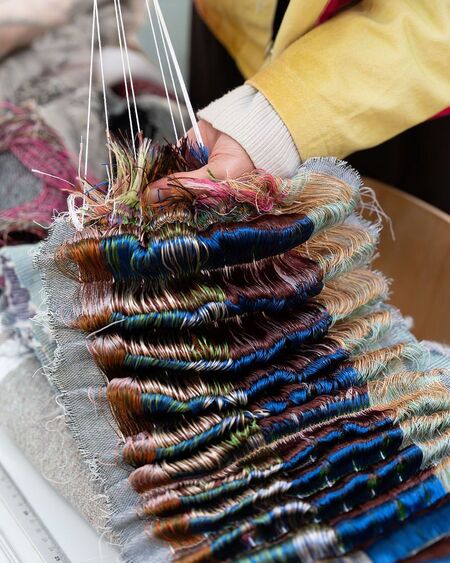
Текстиль от Antonio Mongin и Nicky Vollebregt. Источник: социальные сети авторов
Во-вторых, экономическая нестабильность усиливает ценность ремесленных и сложных в изготовлении вещей: долговечное изделие, требующее времени и внимания мастера, воспринимается как альтернатива быстрому потреблению.
В-третьих, экологическая повестка возвращает внимание к ремеслу и натуральным материалам как устойчивой альтернативе массовому производству.
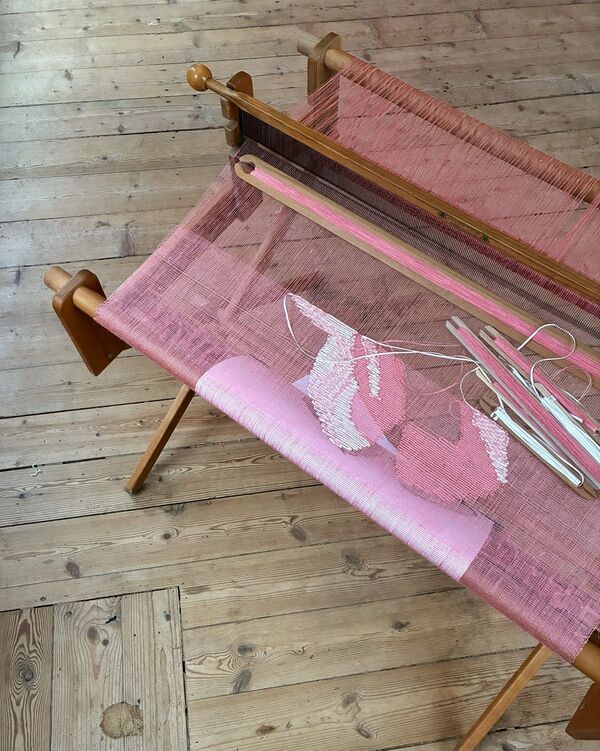
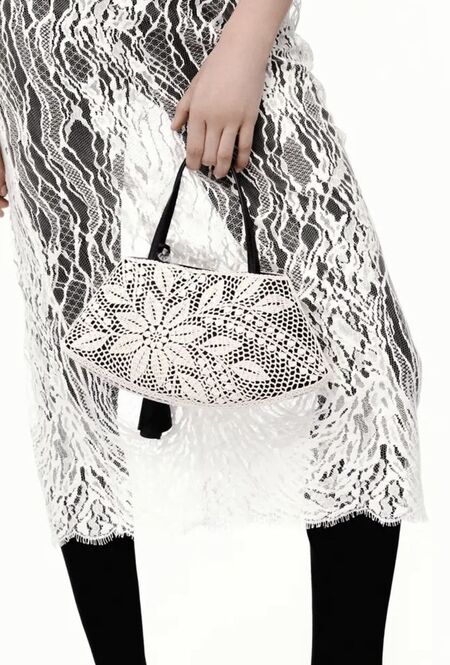
Работы Christina Christensen и Magda Butrum Resort 2026. Источник: Pinterest
Наконец, культурный поворот в сторону локальности и интерес к народной культуре приводят к возрождению традиционных ремесленных техник. Это ответ на глобализацию и стандартизацию моды: ремесло становится способом сохранить связь с историей предков и восстановить локальную идентичность.
В совокупности эти предпосылки говорят о том, что фактура и материальная насыщенность одежды становятся одним из ключевых элементов современной моды.
Фактура на подиумах 2026 года
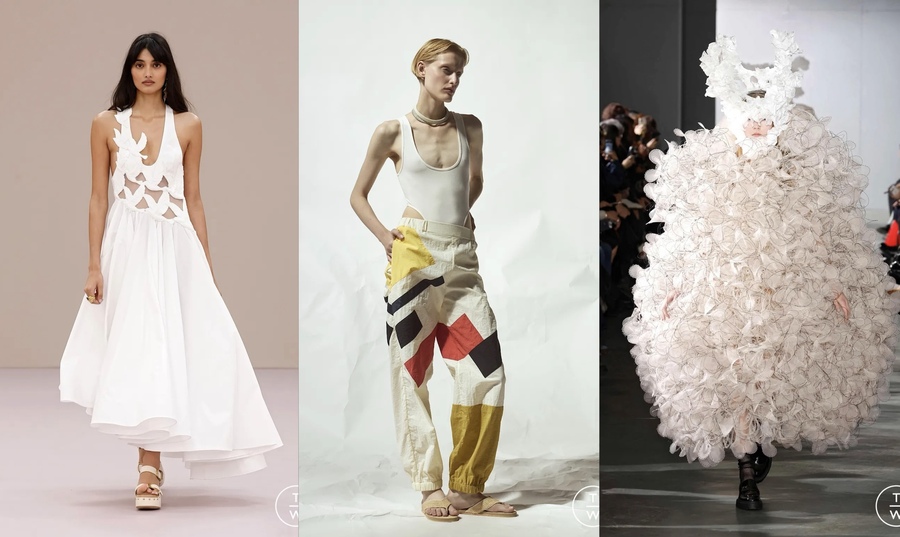
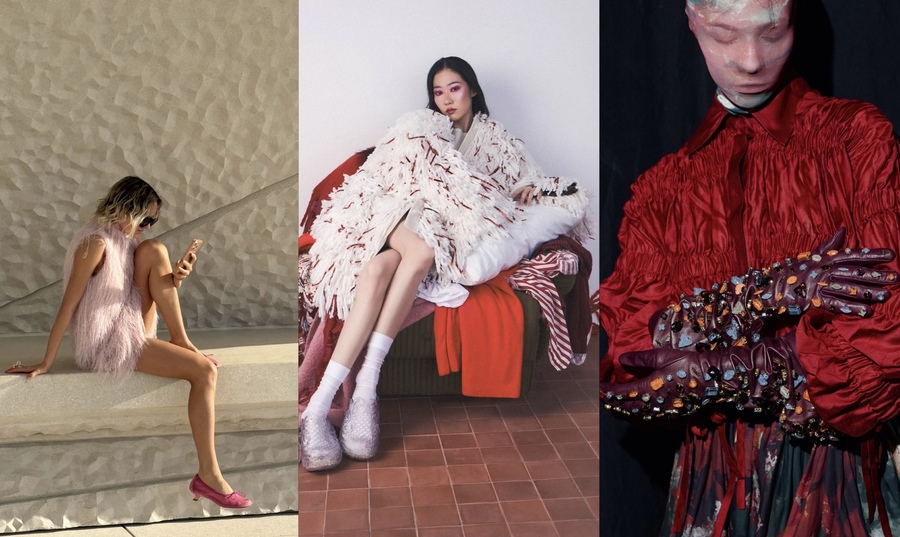
На весенне-летних и осенне-зимних подиумах 2026 года фактура появилась как один из явных кодов сезона: объёмная вязка и вышивка, пэчворк, сложное кружево, не просто бахрома, а её переплетение, материалы, полностью напечатанные на 3D-принтере. Даже бренды, которые традиционно ассоциируются с минималистичным или технологичным дизайном, например Coperni, добавили в коллекции модели, выполненные из сложного текстиля.
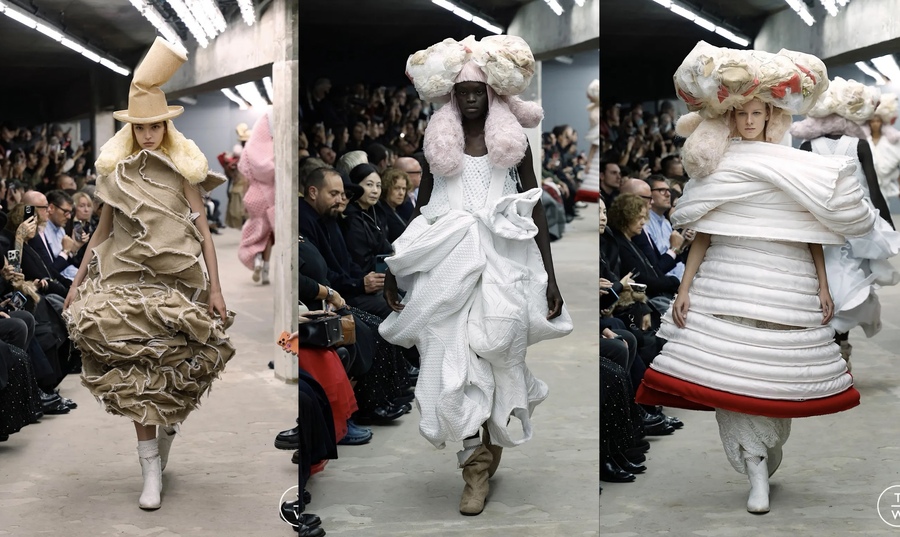
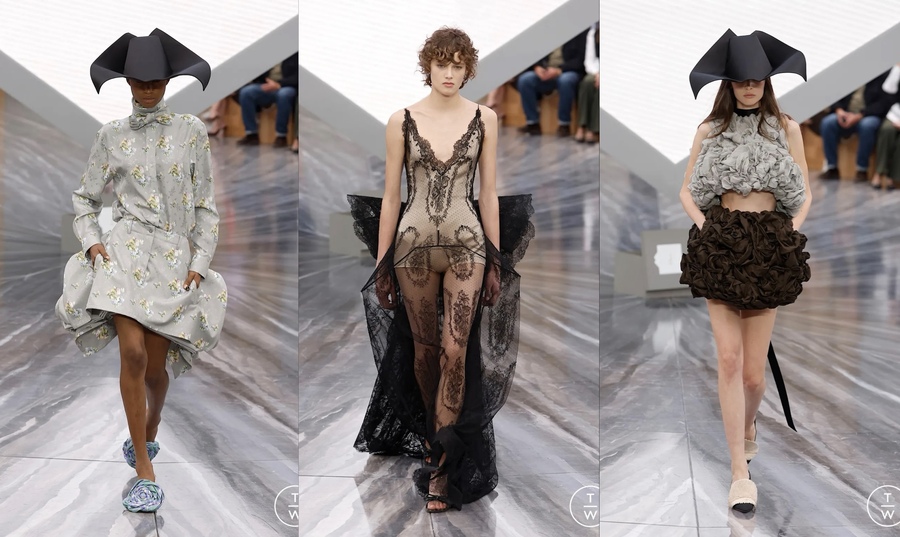
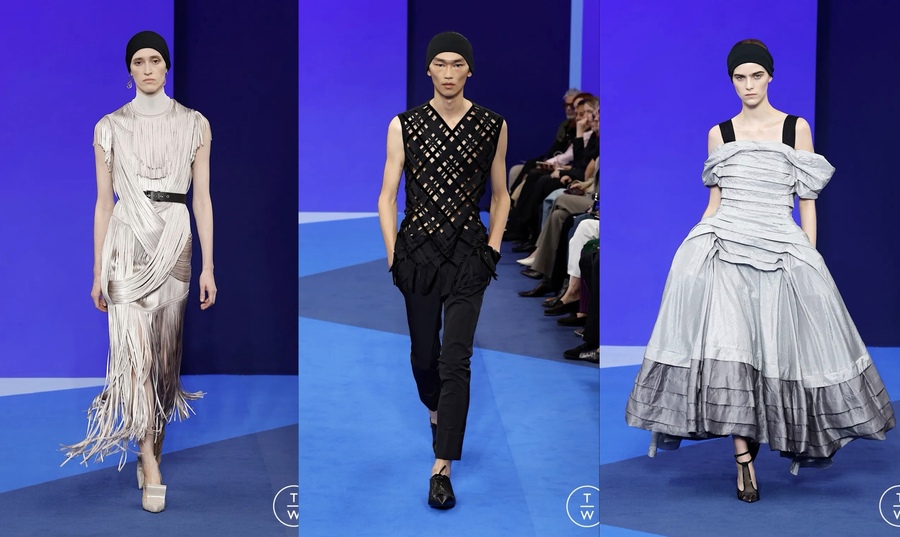
Модели из коллекций Dior, Lanvin и Comme des Garçons ss2026. Источник: Tagwalk
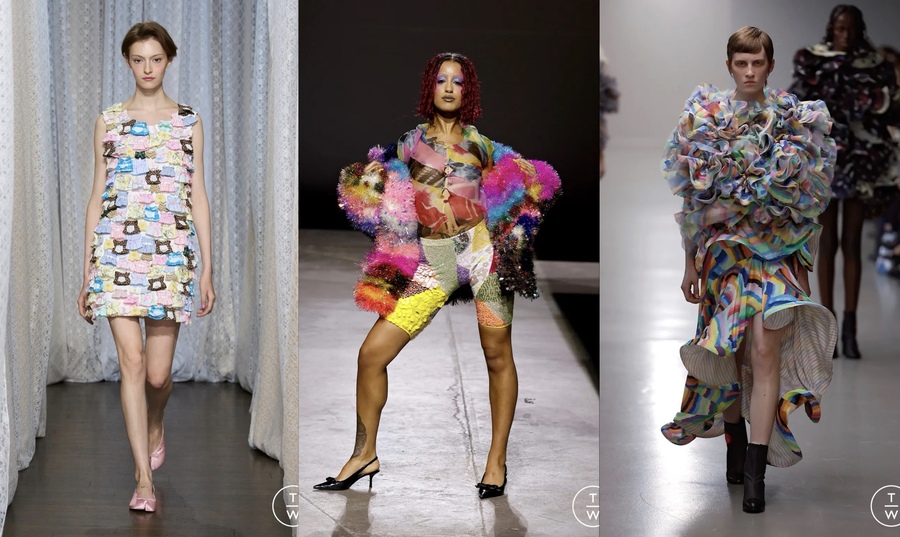
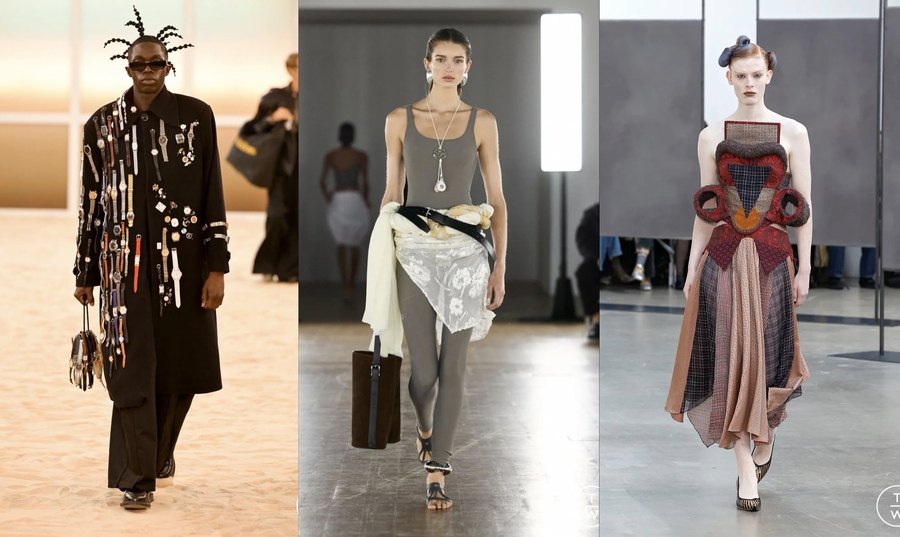
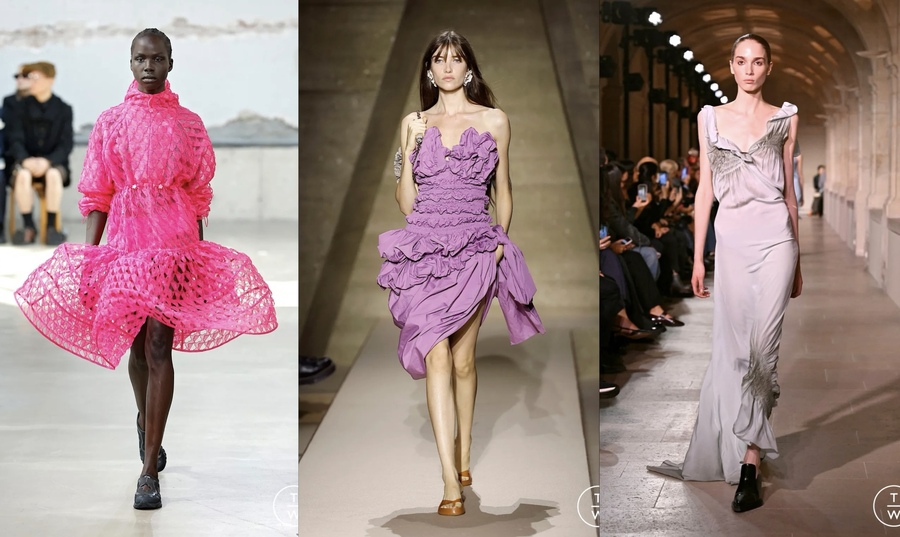
Модели из коллекций 3paradis, Coperni, Kiko Kostadinov, Zimmermann, Bevza, Noir Kei Ninomiya, Cecilie Bahnsen, Victoria Beckham, Chloe, Sandy Liang, Ashish, Anrealage сезона ss2026. Источник: Tagwalk
Российский контекст: эксперименты и возвращение народных ремесел
Этот глобальный сдвиг в сторону работы с фактурами находит отражение и в российском модном поле. В последнее время все больше брендов добавляют в ассортиментную матрицу трикотаж, а некоторые — даже специализируются на нём, экспериментируя с вязкой и узорами. Помимо этого появляются дизайнеры, которые не боятся в условиях ограниченных ресурсов разрабатывать собственные ткани и создавать единичные экспериментальные модели.
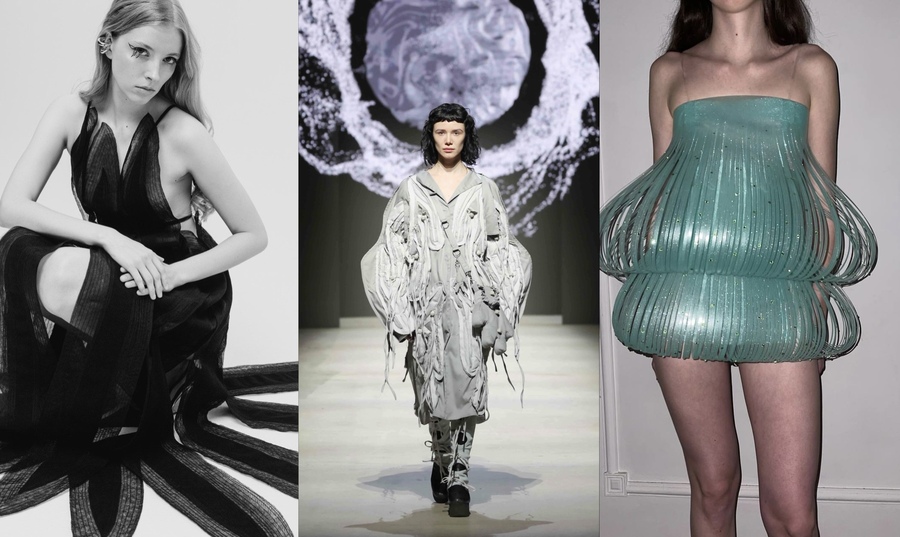
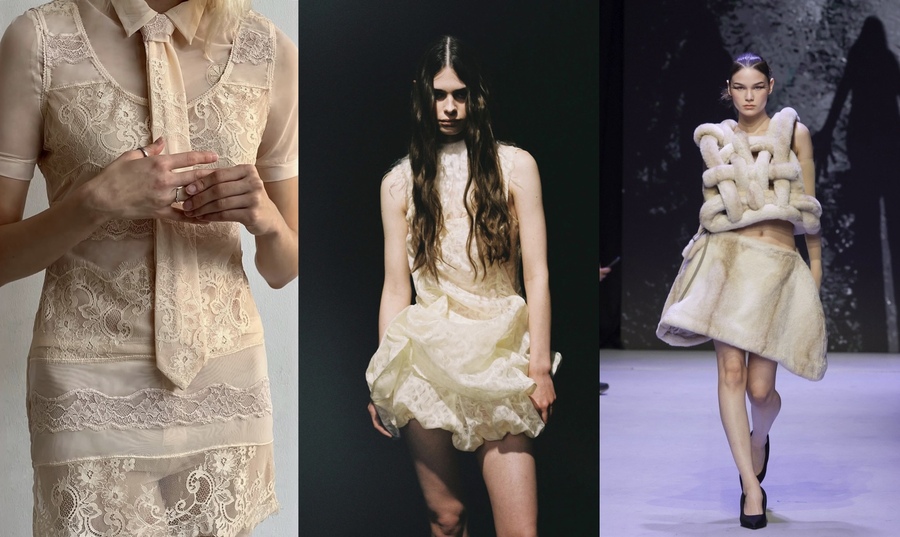
Модели из коллекций Nasyamasha, Za_Za, Bithe Ruhe, Husar Vulgaris, Gapanovich, Abzaeva, Jackson de Ville. Источник: социальные сети брендов
Всё больше локальных дизайнеров выбирает в качестве основного метода работы апсайклинг и пэчворк.
А интерес к народной культуре на локальной сцене ещё заметнее, чем на мировой: многие бренды обращают внимание на народные ремёсла вроде вышивки, ручного ткачества и плетения, добавляя модели с их использованием в свои коллекции.
Модели из коллекций Ana Selivanova, Sasha Barbakov, Rishi. Источник: социальные сети брендов
Все упомянутые в статье российские бренды представлены в Каталоге новой локальной моды, над которым работает команда fashion.deziiign.
За пределами моды: предметный дизайн
Как и любой тренд, экспериментальный текстиль в пришёл в моду не сразу, сначала проявив себя в современном искусстве и промышленном дизайне. Пространства с выразительными коврами, фактурными покрывалами, текстильными перегородками и декоративными поверхностями, приглашающими к прикосновению, отражают общую культурную потребность вернуть телесность в повседневную жизнь.
Такой подход рассматривает материал не только как носитель, но и как среду для выражения авторских историй и многослойного опыта. Например, гобелены студии Concept Carpet Lab, созданные в коллаборации с дизайнером Юрием Гордоном, оказываются объёмной текстильной метафорой вещей, передающих и хранящих безмолвие, превращая домашний декор в предмет тактильного искусства.
Гобелен Concept Carpet Lab из коллаборации с Юрием Гордоном. Источник: Concept Carpet Lab
И на подиумах, и в дизайне мы возвращаемся к материи как к соавтору художественного высказывания — это один из главных трендов 2026 года. Фактура перестаёт быть украшением и становится средством выражения смысла, а ремесло — не просто техникой, но и культурным маркером времени.
Обложка: Queralt Orriols