Rubricator
About me Core specializationTypography
- Abandoned Estates of Industrial England: The End of the Aristocracy
- Part of the Process: Mistakes, Imperfections, and Accidents in Design
- Scenography: From Postmodernism to the Digital AgeAI visualizations
- annki studio: clover 2.0
- Dotest. A Series of Book AccessoriesBrand & Identity Design
- X — (273) Contemporary Art Exhibition
- Echo

About me ♥ Hi! I’m Evelina, a communication designer.I specialize in typography and book design. I also work on visual identities, branding, visual communication and digital design.I enjoy exploring different areas of design, experimenting with new formats and finding creative solutions. Right now, my main focus is gaining practical experience through a variety of projects that help me improve my skills and grow as a multidisciplinary designer.Open for freelance projects and collaborations! ♥ esepeshina@edu.hse.ru
Typography
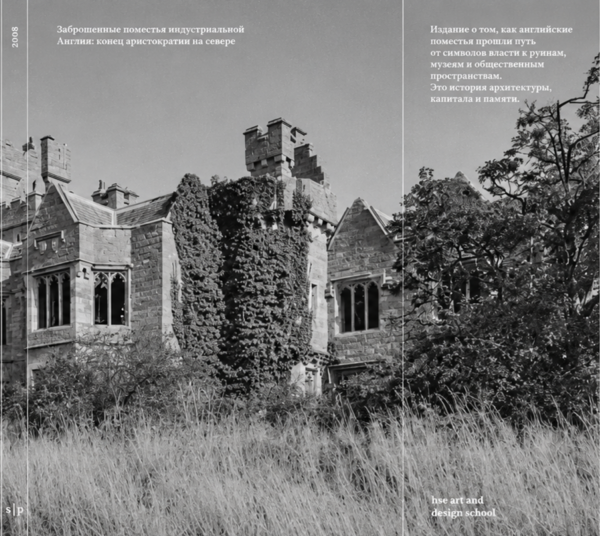
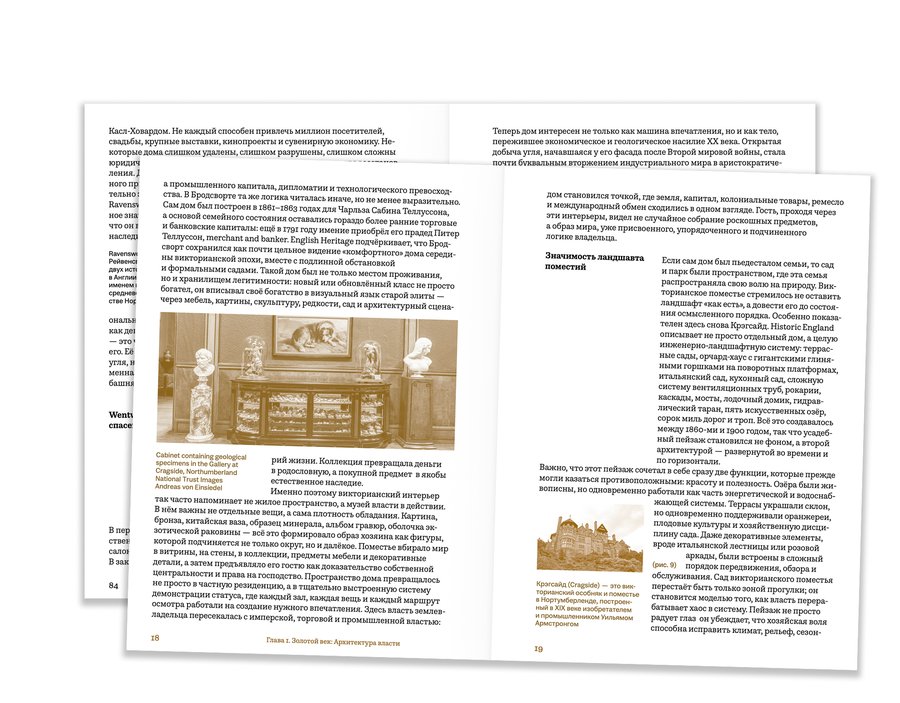
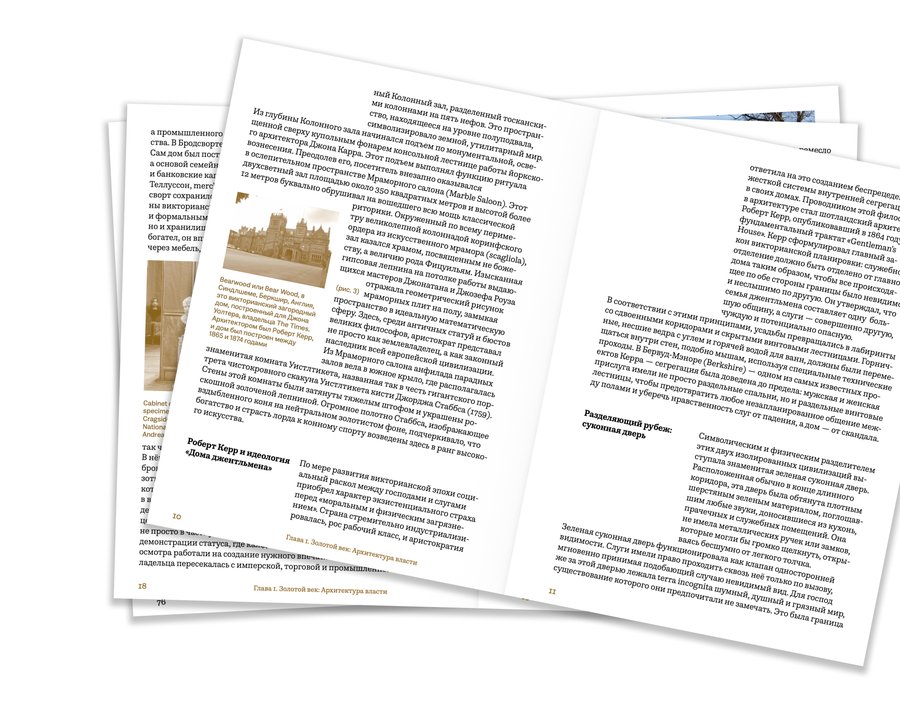
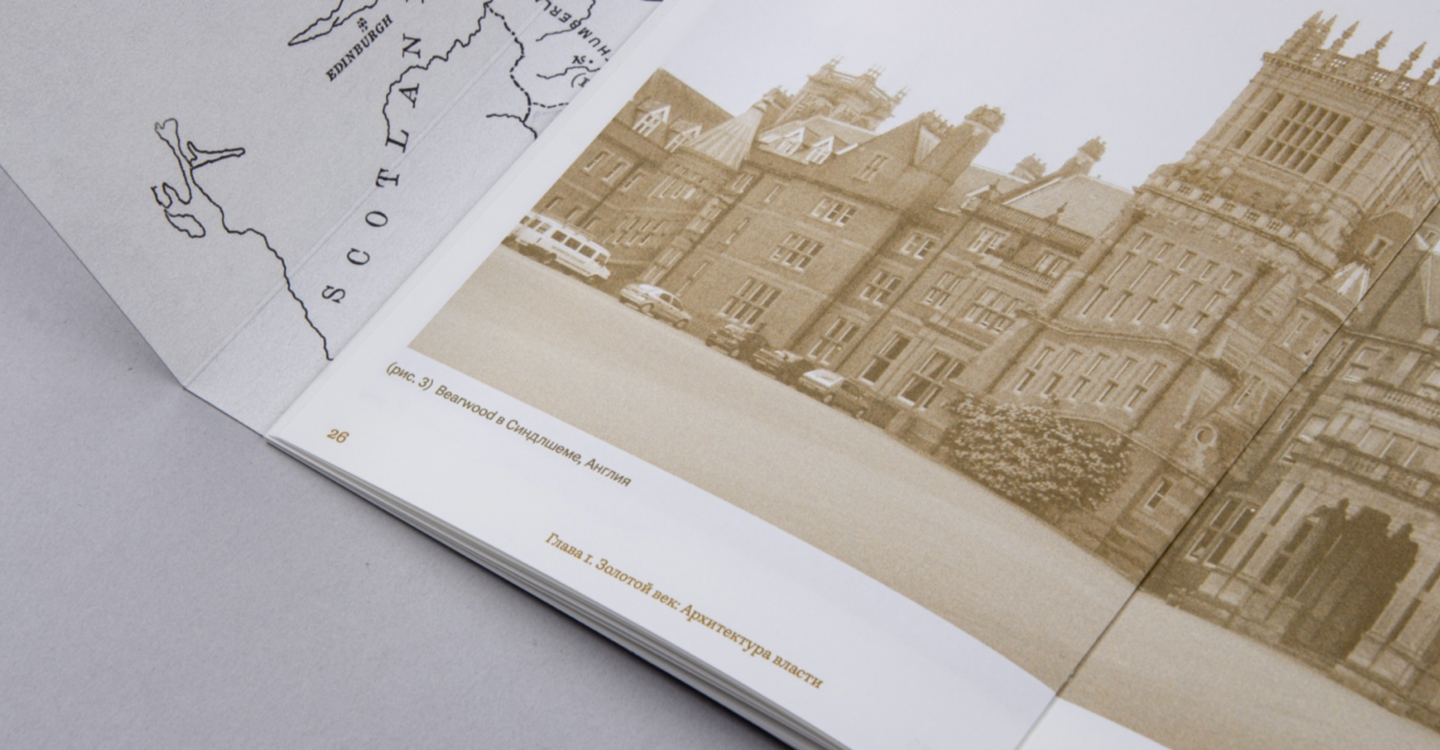
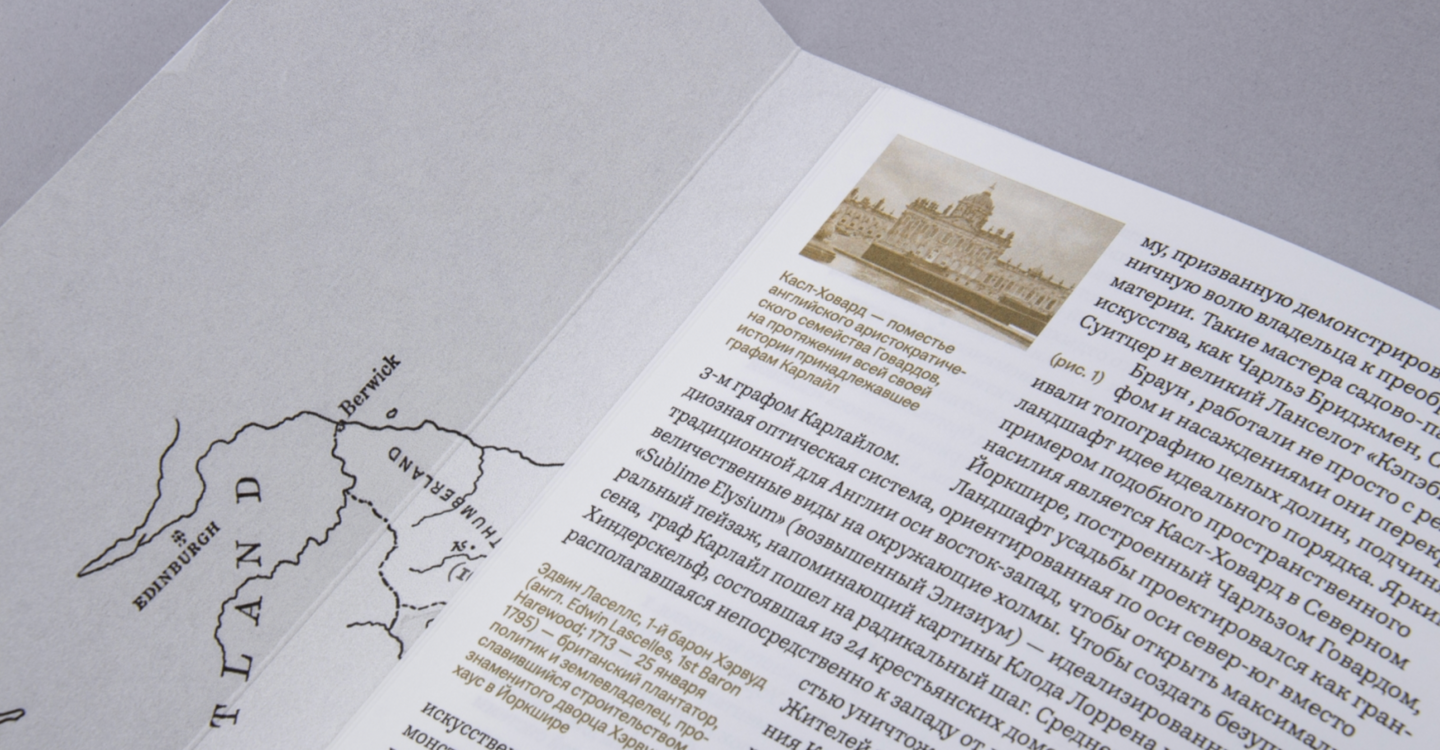
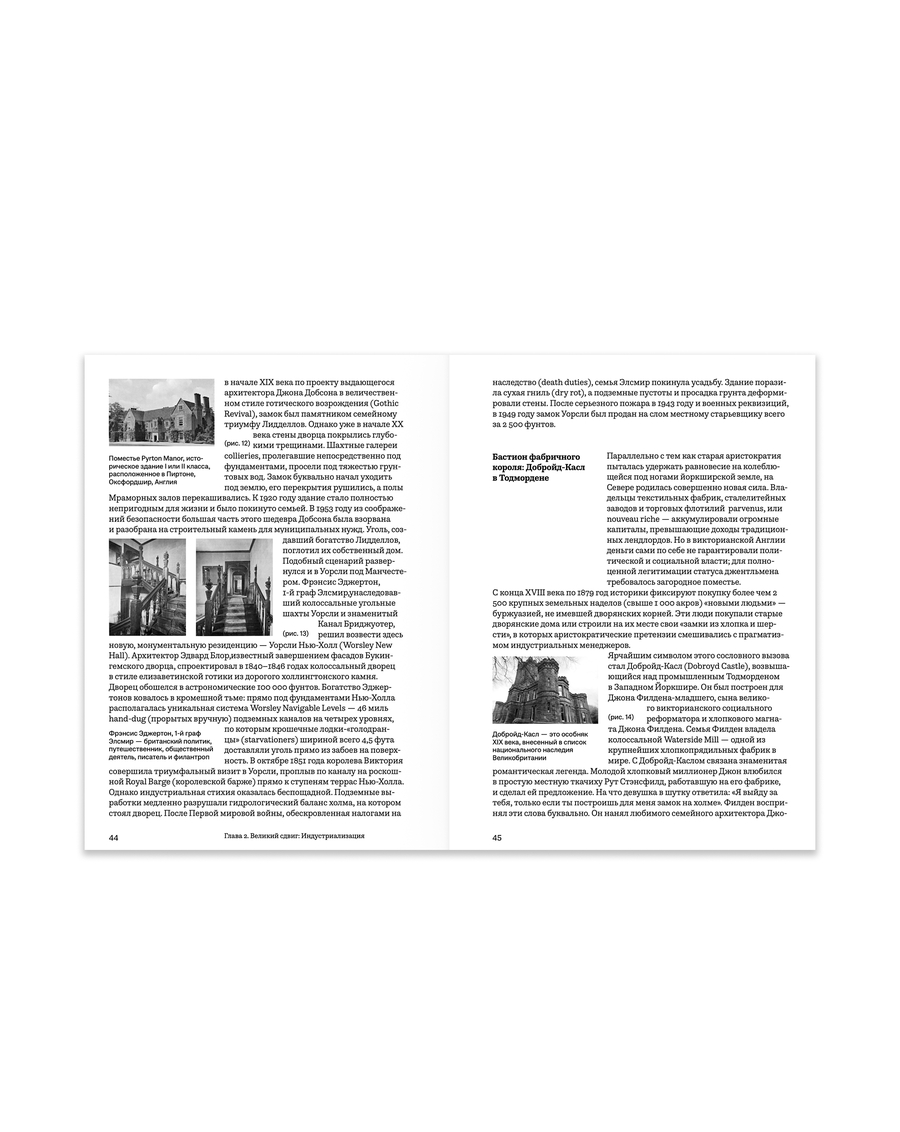
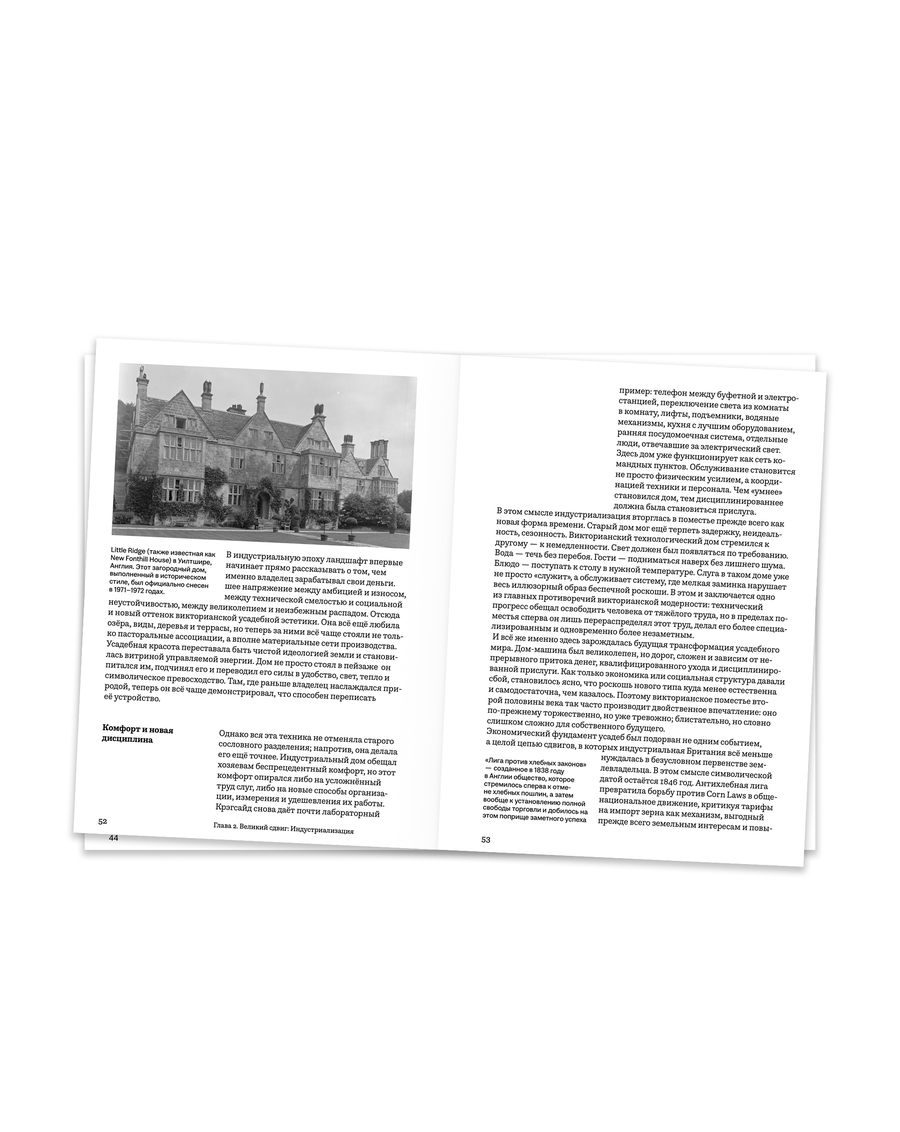
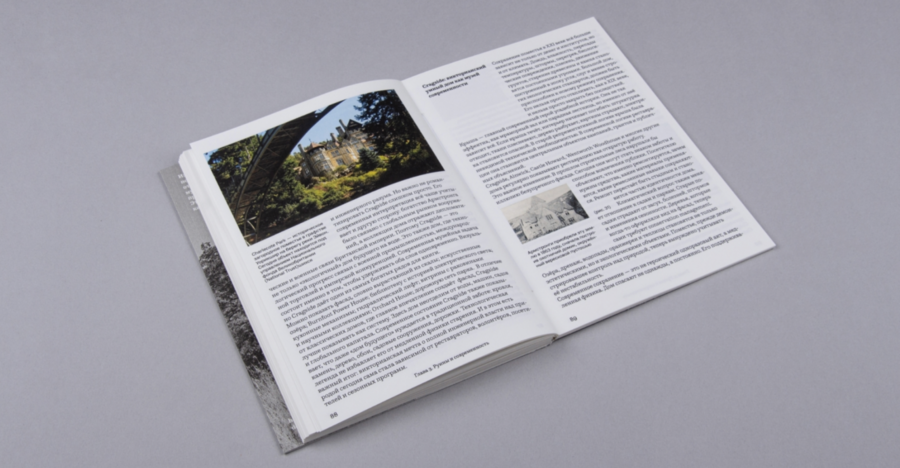
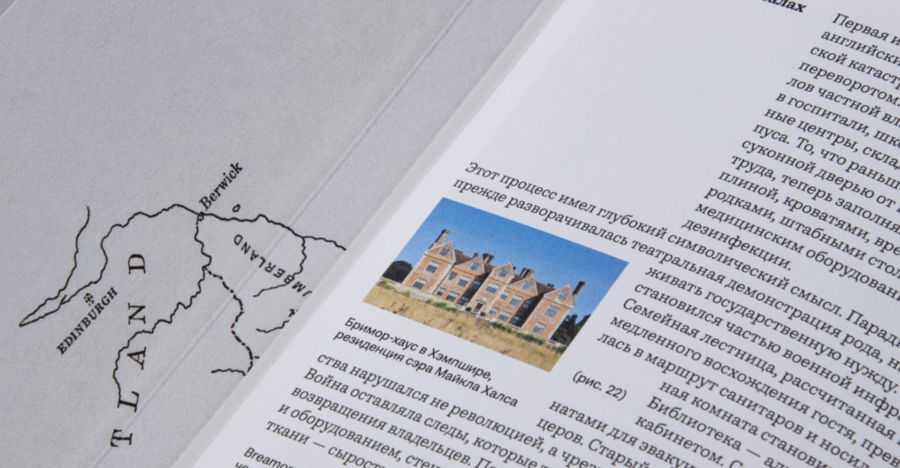
Abandoned Estates of Industrial England: The End of the AristocracyThe publication explores England as a landscape of the decline of the aristocratic system in the 20th century. The country estate is examined not merely as an architectural structure, but also as an instrument of economic and social power.
Chapter I. The Golden Age: Architecture of Power
How the English country estate became a symbol of aristocratic status. The house, park, grand halls, and servants’ quarters reveal the structure of a society in which power was embedded in the architecture itself.
Chapter II. The Great Shift: Industrialisation
How industrialisation transformed the world of English country estates. New wealth, factories, railways, and technological innovations gradually undermined the traditional system of hereditary aristocracy.
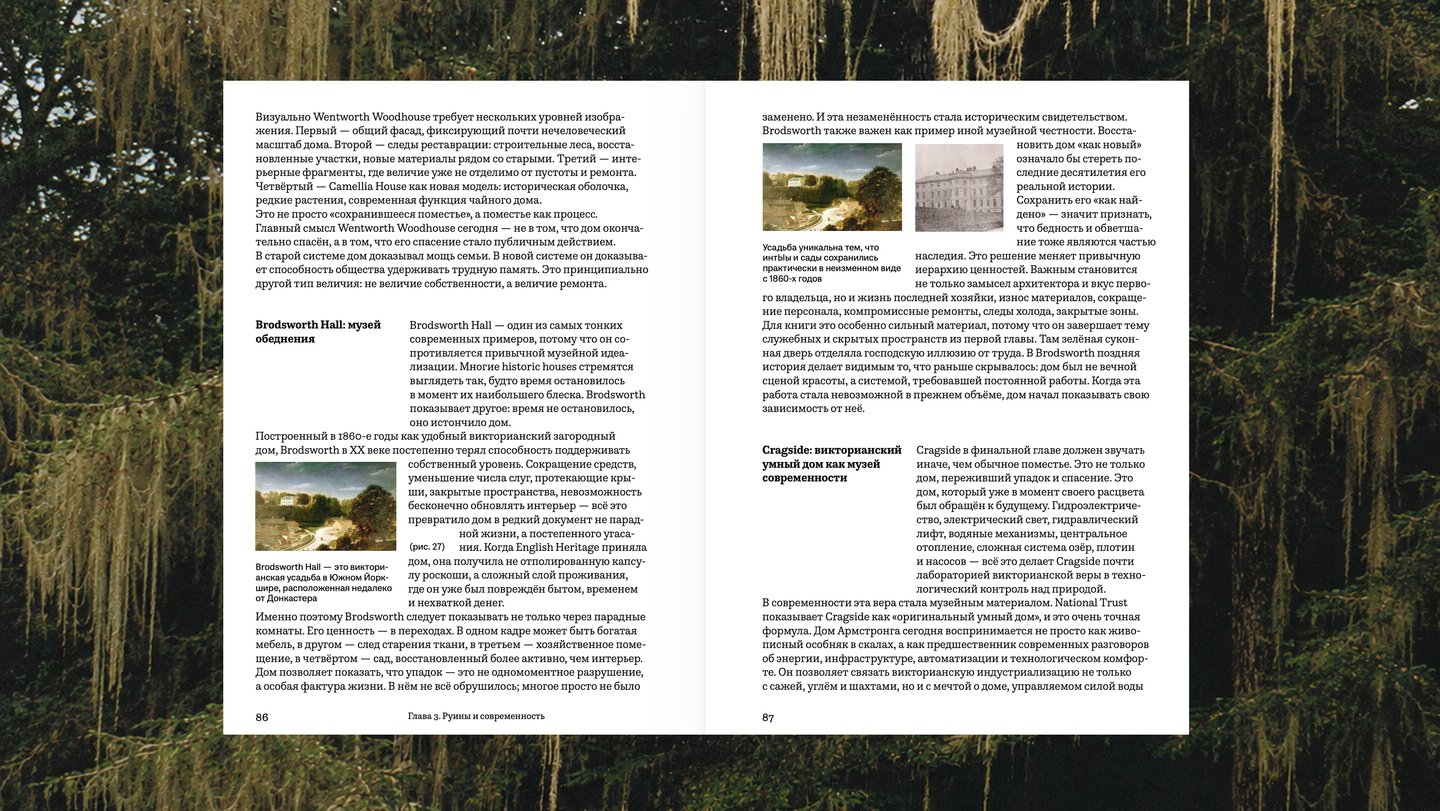
Chapter III. Ruins and Modernity
What became of English country estates after they lost their original purpose. Some were demolished, while others were transformed into museums, schools, hotels, and public spaces, evolving from symbols of power into places of memory.
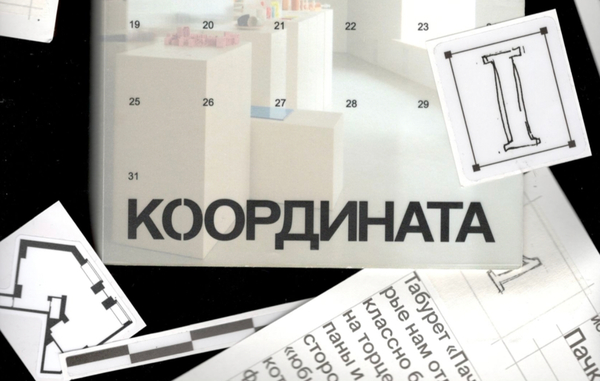
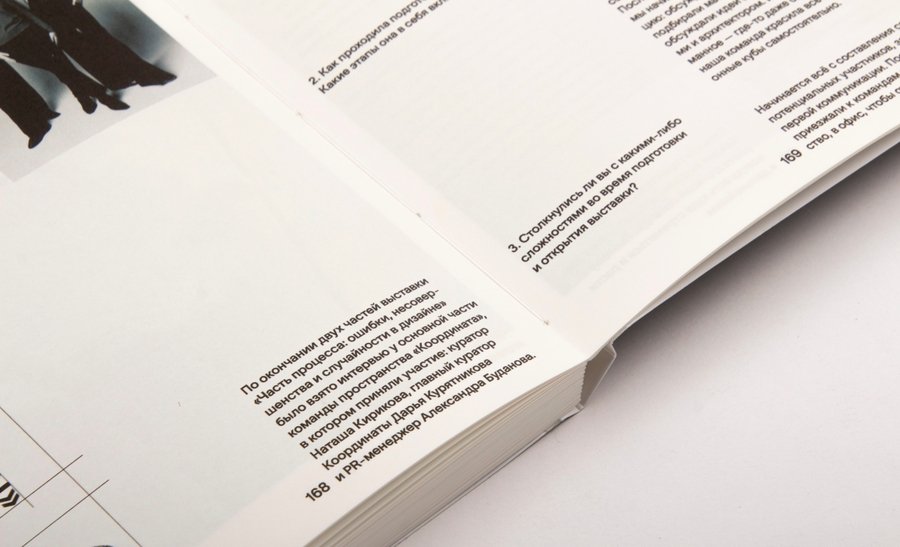
Part of the Process: Mistakes, Imperfections, and Accidents in DesignFrom April 11 to September 7, the Koordinata space hosted an exhibition entirely dedicated to mistakes in design projects. The exhibition aimed to explore mistakes not as final outcomes, but as stages of the creative process that contribute to the development of design thinking.The catalogue serves as a record of the exhibition, bringing together all the «parts of the process» in a publication that preserves the memory of the event.
The catalogue’s format and layout grid are based on the labels accompanying each object in the exhibition.
I rotated the label 90° and used its lines to construct the catalogue’s grid.
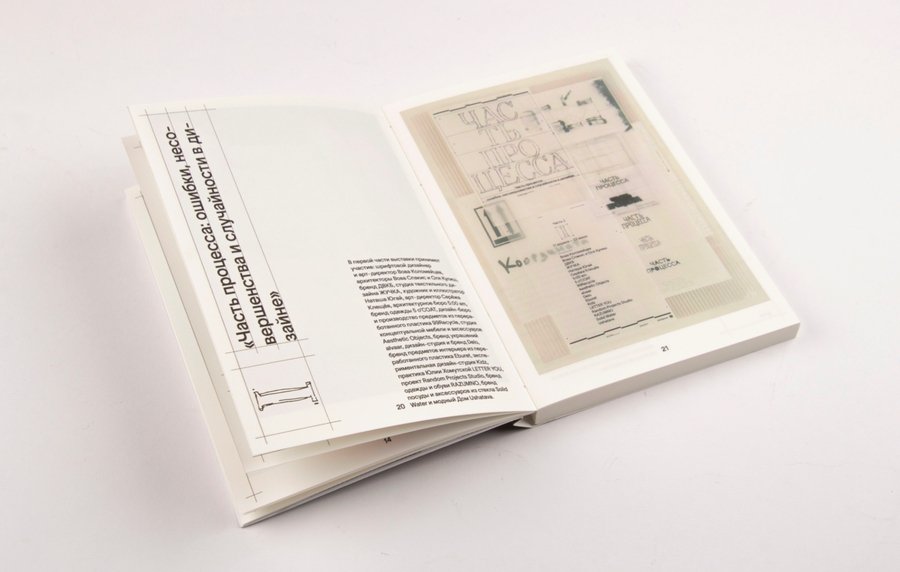
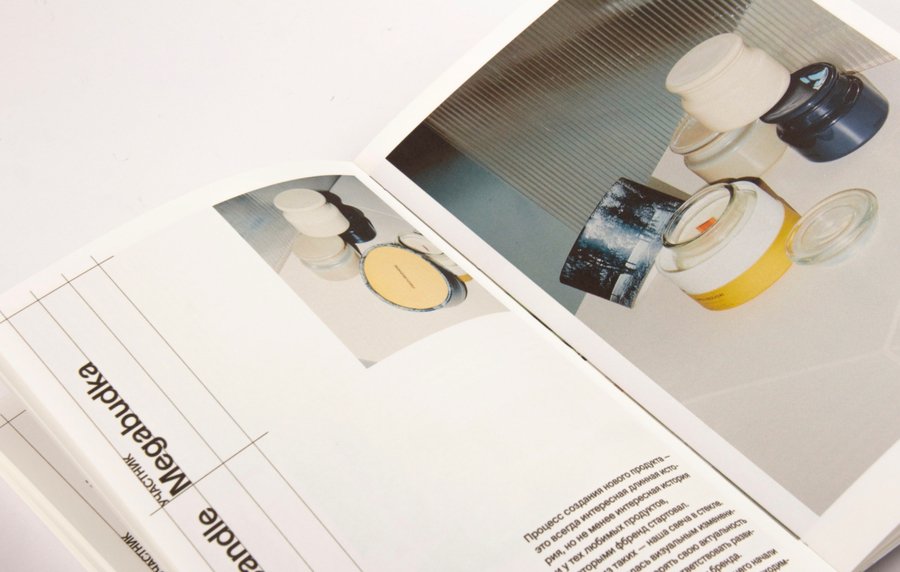
The catalogue serves as a book of memories of the exhibition, bringing together all the «parts of the process.» It traces the exhibition’s development step by step, from its initial concept to its realisation.
What does the catalogue include?
1. Architecture
2. Part I
3. Part II
4. Educational Programmes
5. Interviews with the Founders and Curators of Koordinata
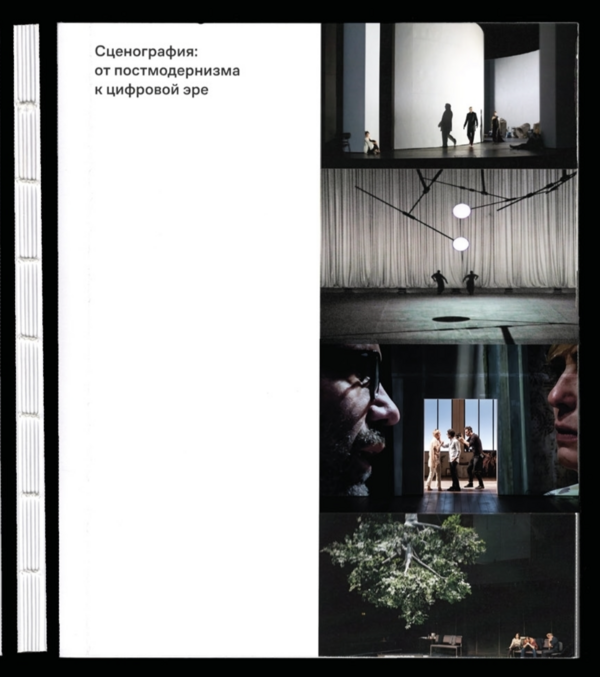
Scenography: From Postmodernism to the Digital AgeThis book explores the evolution of scenography over the past six decades, tracing its transformation from philosophical exploration to the interactive experiences of the 21st century.Divided into three parts, it examines how theatre has moved beyond modernist conventions towards a space where grand narratives are deconstructed, technology becomes an active agent of meaning, and the audience takes on the role of co-creator.
Annotation
This book explores scenography over the past six decades, tracing its transformation from philosophical exploration to the interactive experiences of the 21st century.
Divided into three parts, it examines how theatre has moved beyond modernist conventions towards a new, ever-changing space.
Publication Concept
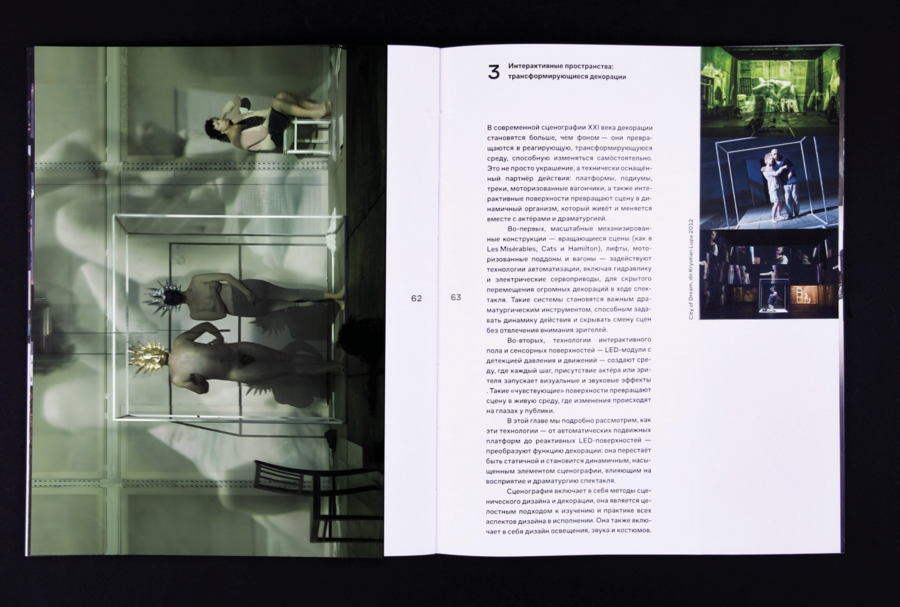
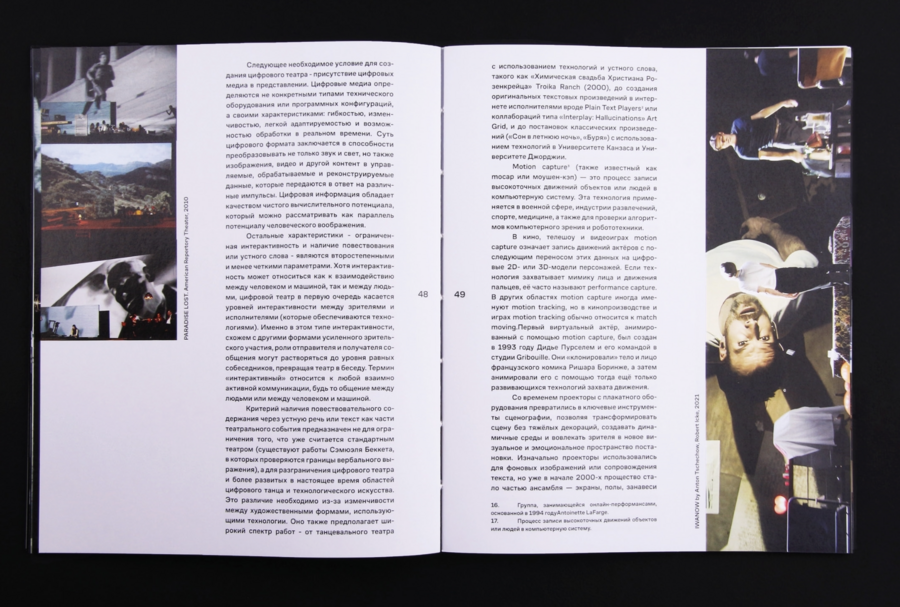
The layout of the standard spreads draws on the metaphor of stage wings, arranged in rows on either side of the main stage.
The spreads separating the book’s sections evoke closed theatre curtains, as if marking the moment before the next act begins.