Game Design BA
HSE Art and Design School International
Video games today transcend mere entertainment; they reflect human relationships, social dynamics, and the broader world. Game designers, who serve as vital links between art and technology, bridge the gap among developers, players, producers, and investors. A career in game design presents exciting opportunities, and we offer a unique chance to become a professional with deep expertise at a leading Russian university.
Ranked in:
QS by Faculty’23: 153 (Arts&Humanities)
THE World University Rankings by Subject’22: Top-200 (Arts&Humanities)
U.S.News & World Report Best Global Universities by Subject’22: Top-200
THE Young University Rankings’22: 66
Course Overview
The HSE Art and Design School, part of the National Research University Higher School of Economics, stands as one of Russia’s premier institutions in design, fashion, and contemporary art education. This Game Design degree program allows you to cultivate expertise in the field, acquiring industry-standard technical, creative, and professional skills in a setting that simulates a real game development studio. You will learn to communicate and collaborate effectively, working in diverse, multi-skilled teams to develop your own games from the very start, just as you would in the games industry.
Year One — Conceptualization and Technology
In the first year, students embark on designing cohesive game concepts centered around chosen themes while acquiring proficiency in essential software for pitching their ideas. They master tools for creating images and videos, presentation design software, and 3D graphics and texturing software. Students also gain foundational expertise in the Unreal Engine 5 game engine, learning to seamlessly integrate game components like mechanics, narrative, visuals, and interface to ensure alignment with the core concept and deliver the immersive player experience envisioned by the author.
Core Modules
Game Design 1: Form and Content
This module examines the game as a system, analyzing its elements and interactions. Students explore the role of the game's theme and its connection to rules and mechanics. Game development is approached as problem-solving, emphasizing reproducibility. Students become acquainted with systems thinking, idea generation, visualization through mind maps, and skills in providing and receiving feedback, applying these in cross-evaluation of interim results.
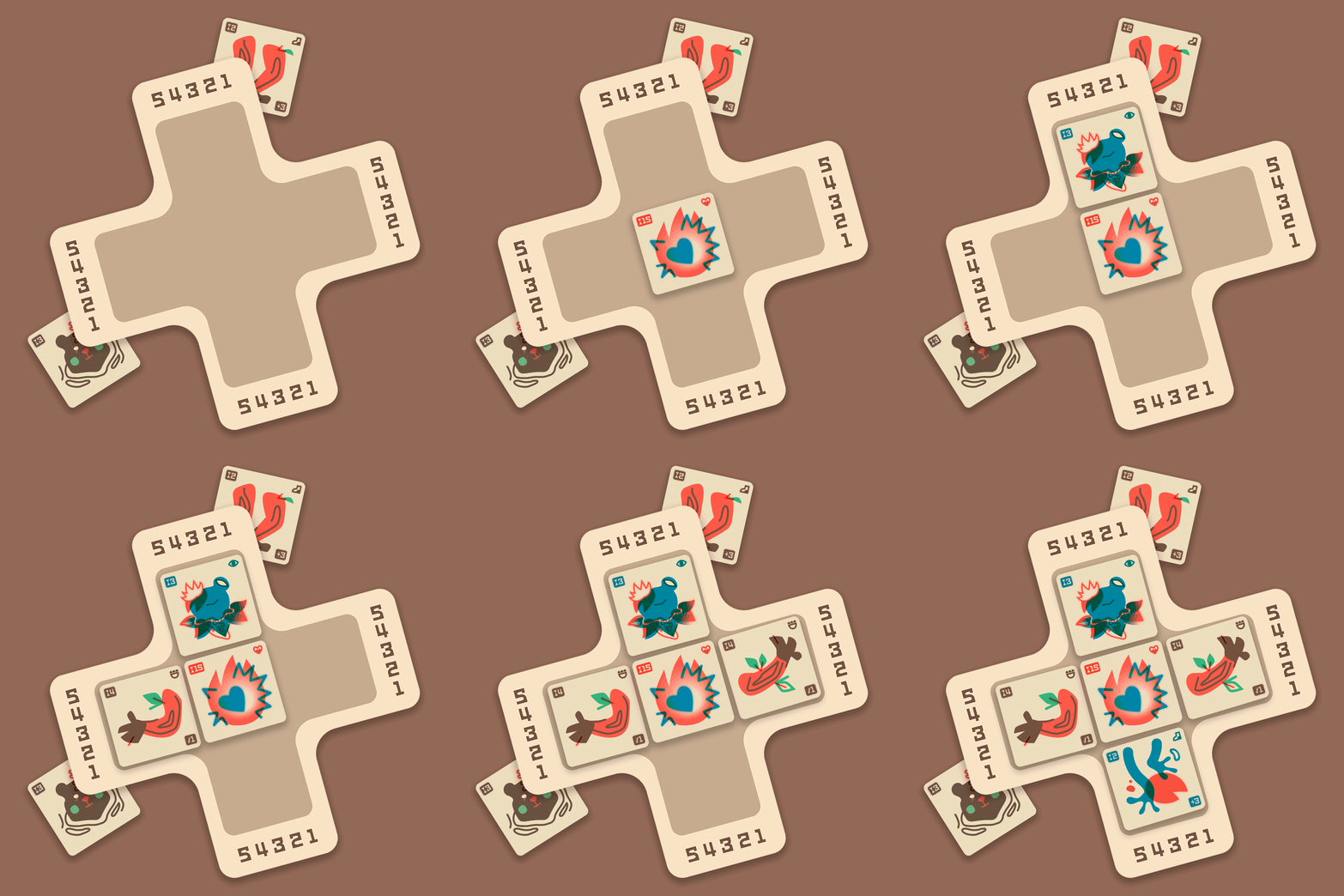
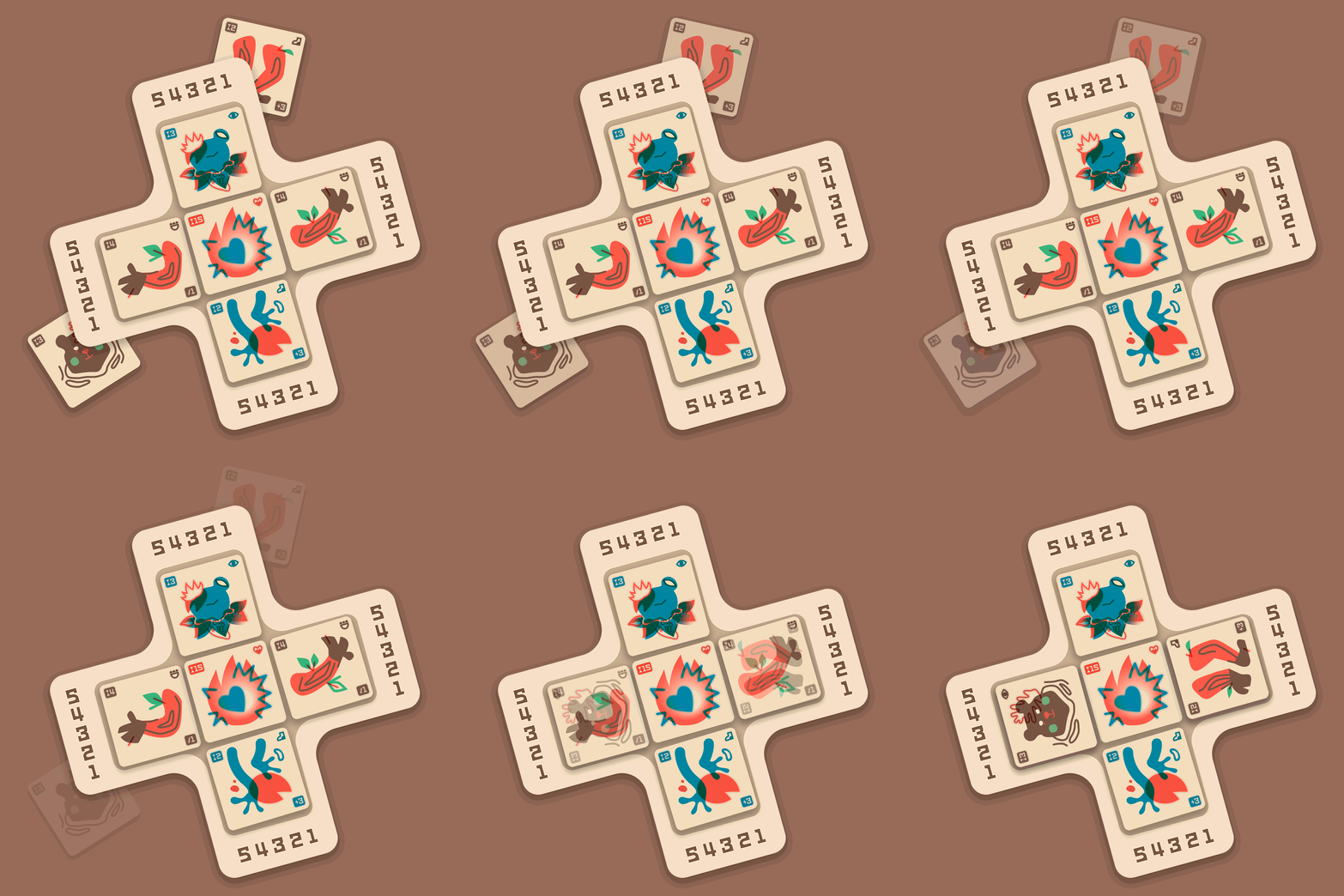
Project: Board Game
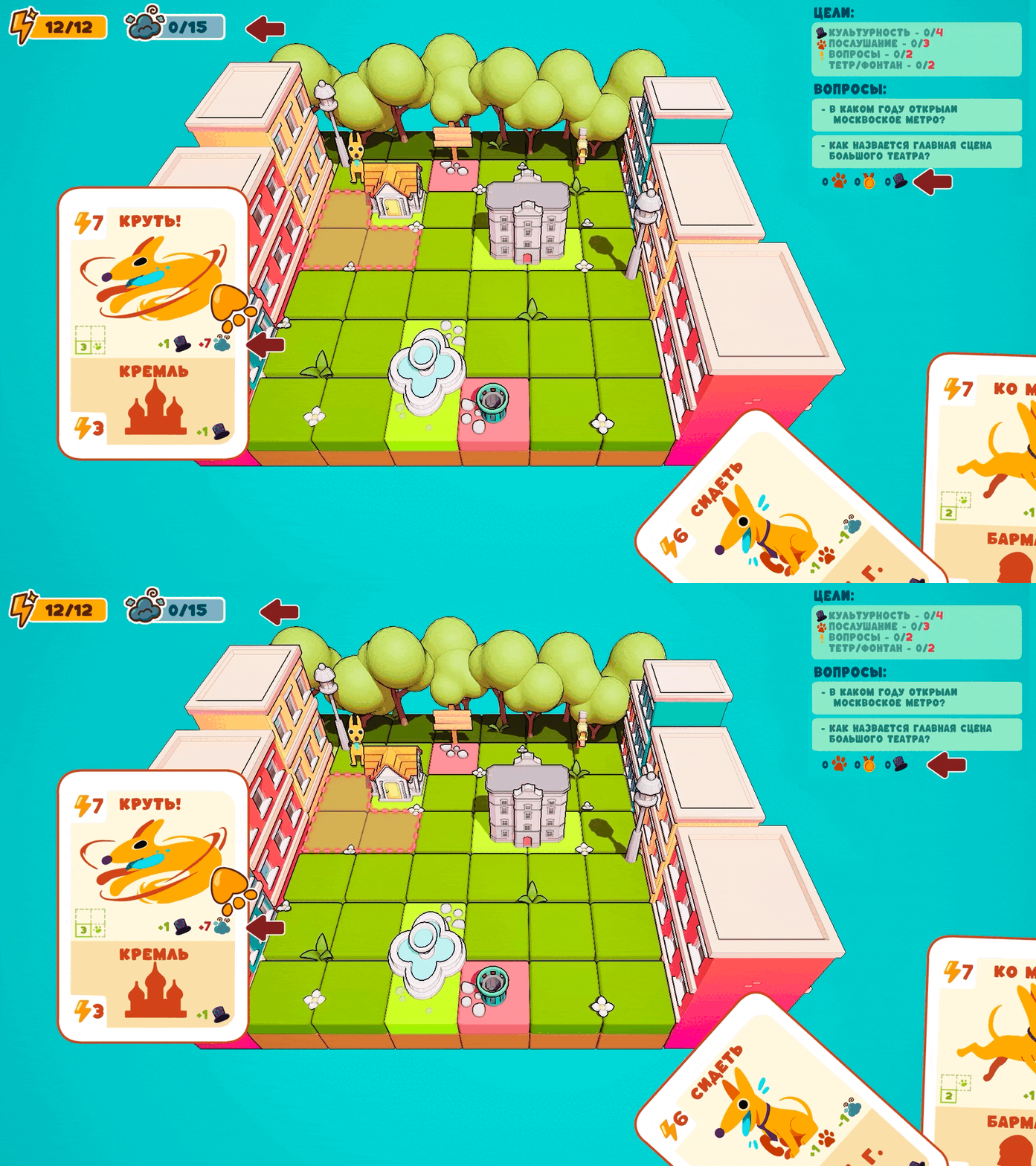
Students explore major board game genres and their mechanics, focusing on developing a game from a given theme. They explore fundamental graphic styles and acquire the basics of graphic design, learning to present their projects effectively. By mastering primary tools for creating vector images, students refine their skills through hands-on practice.
Below: A game by Mariya Laskina.
Game Design 2: Action as the Foundation of Gameplay
In this module, students learn how game elements shape gameplay and the phenomena it entails. They are introduced to the concept of the "gameplay loop" and methods for designing it. Gameplay is presented as a sequence of decisions and challenges leading to victory. The focus is on describing games through player decisions, sources of uncertainty, and the impact of game space and time on player choices. Students continue to develop feedback skills and study principles of functional text and research-based writing.
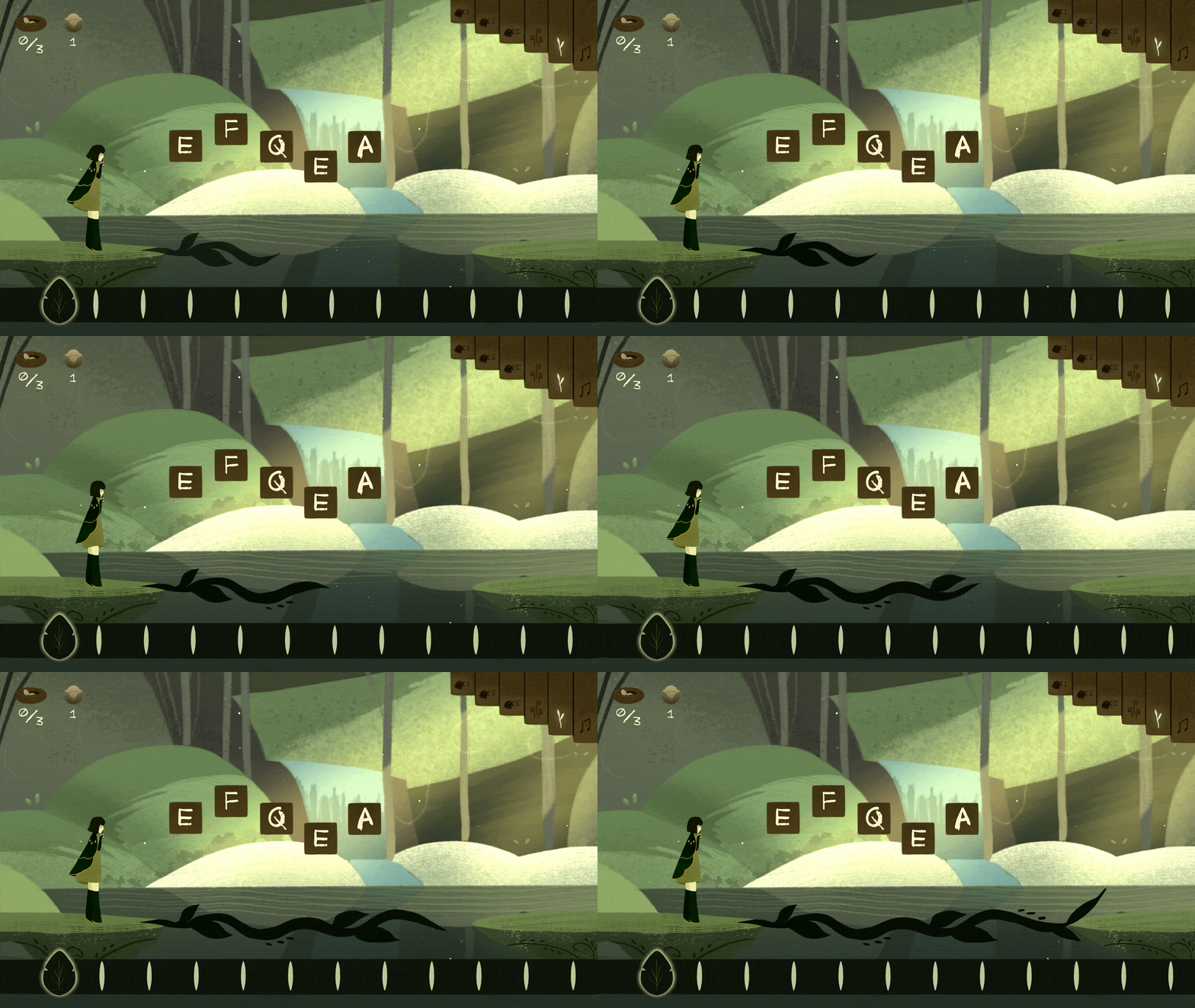
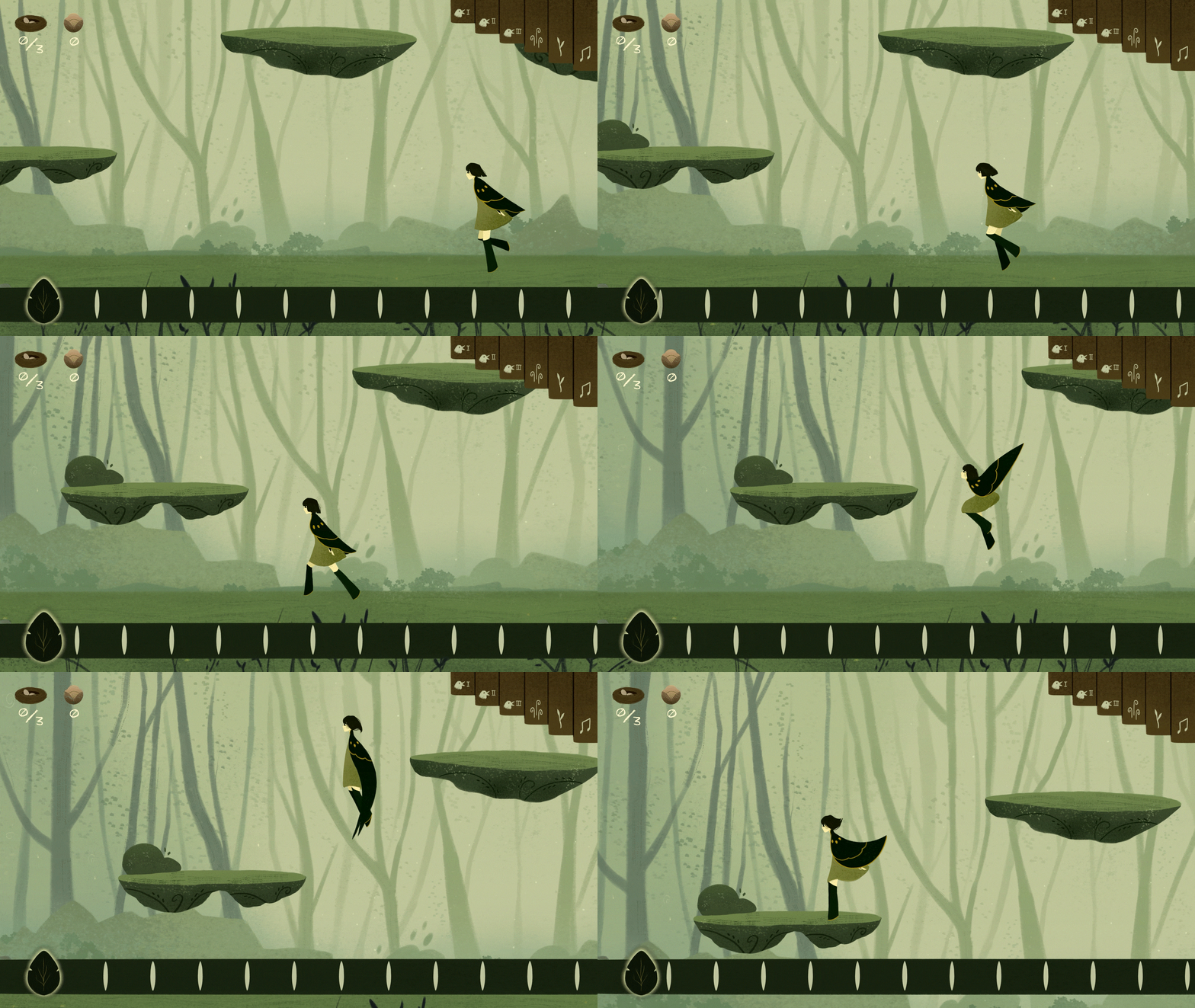
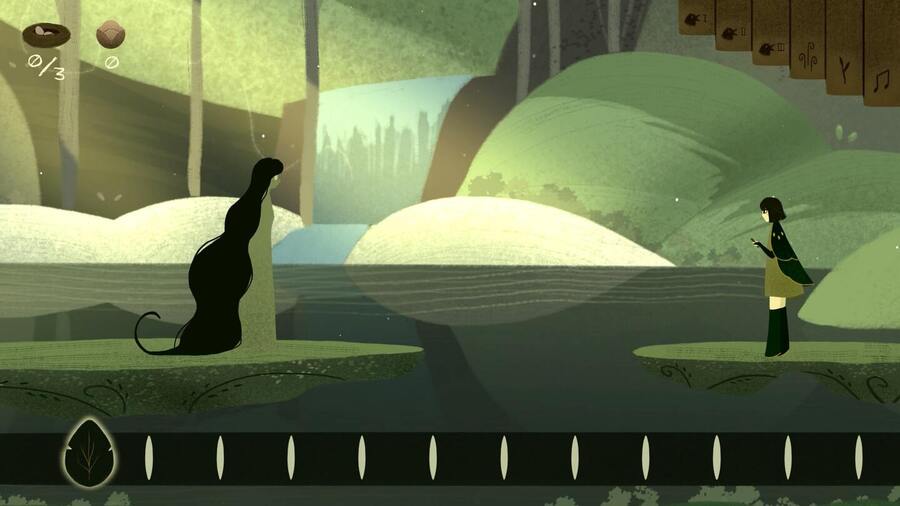
Concept: 2D Video Game
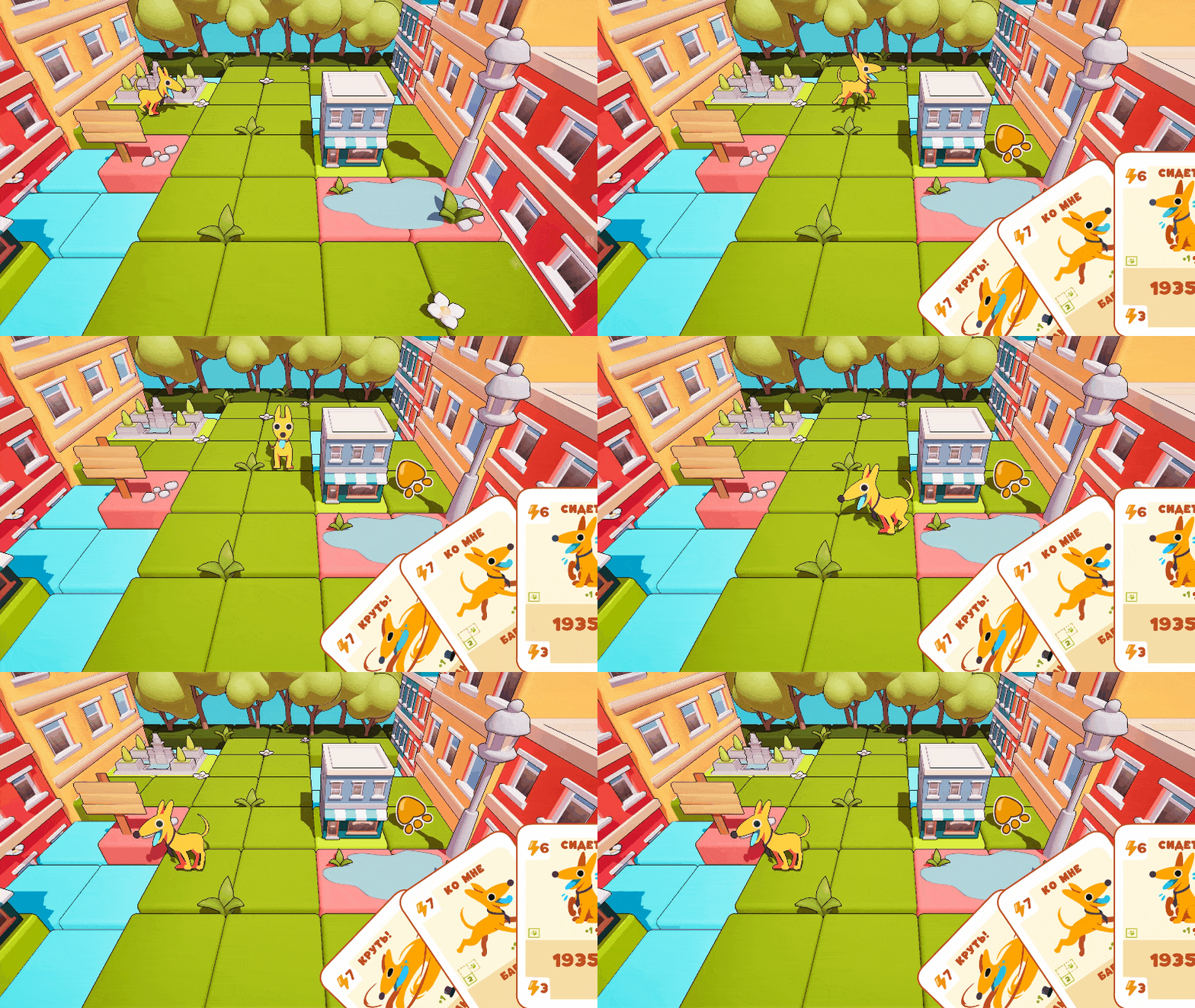
Students study major video game genres, exploring 2D space composition, and mastering the basics of animation and editing. They analyze 2D games of various genres and develop game mechanics in accordance to 2D game needs. The module also covers pixel imagery and techniques for creating collages.
Below: A game by Anna Chertova.
Game Design 3: Game Space as a Machine
Students study the influence of gameplay on player experience and experiment with designing games based on desired outcomes. They analyze how to express ideas in video games, using serious games not solely aimed at entertainment as examples. Students engage in prototyping and playtesting, assessing how designs impact audiences. This module also enhances research skills: formulating questions or hypotheses, collecting and processing data, formulating theses, and presenting results, particularly in developing a serious game concept.
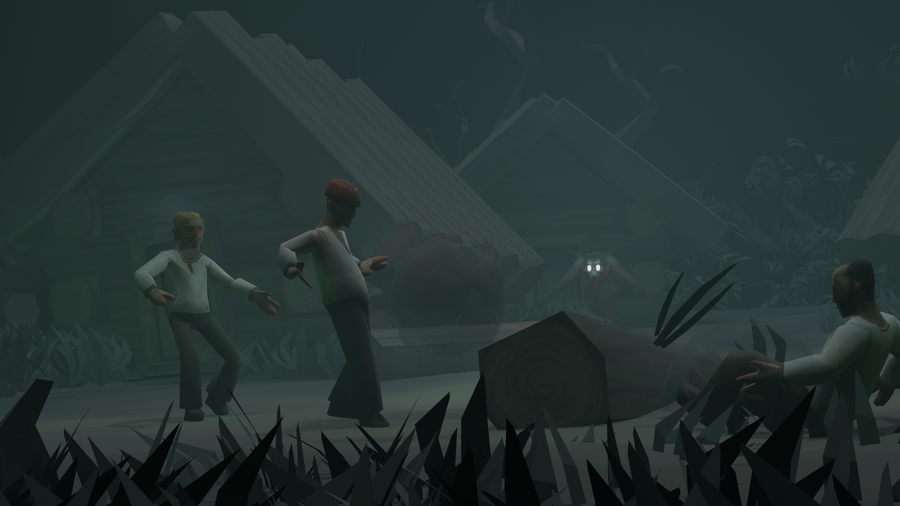
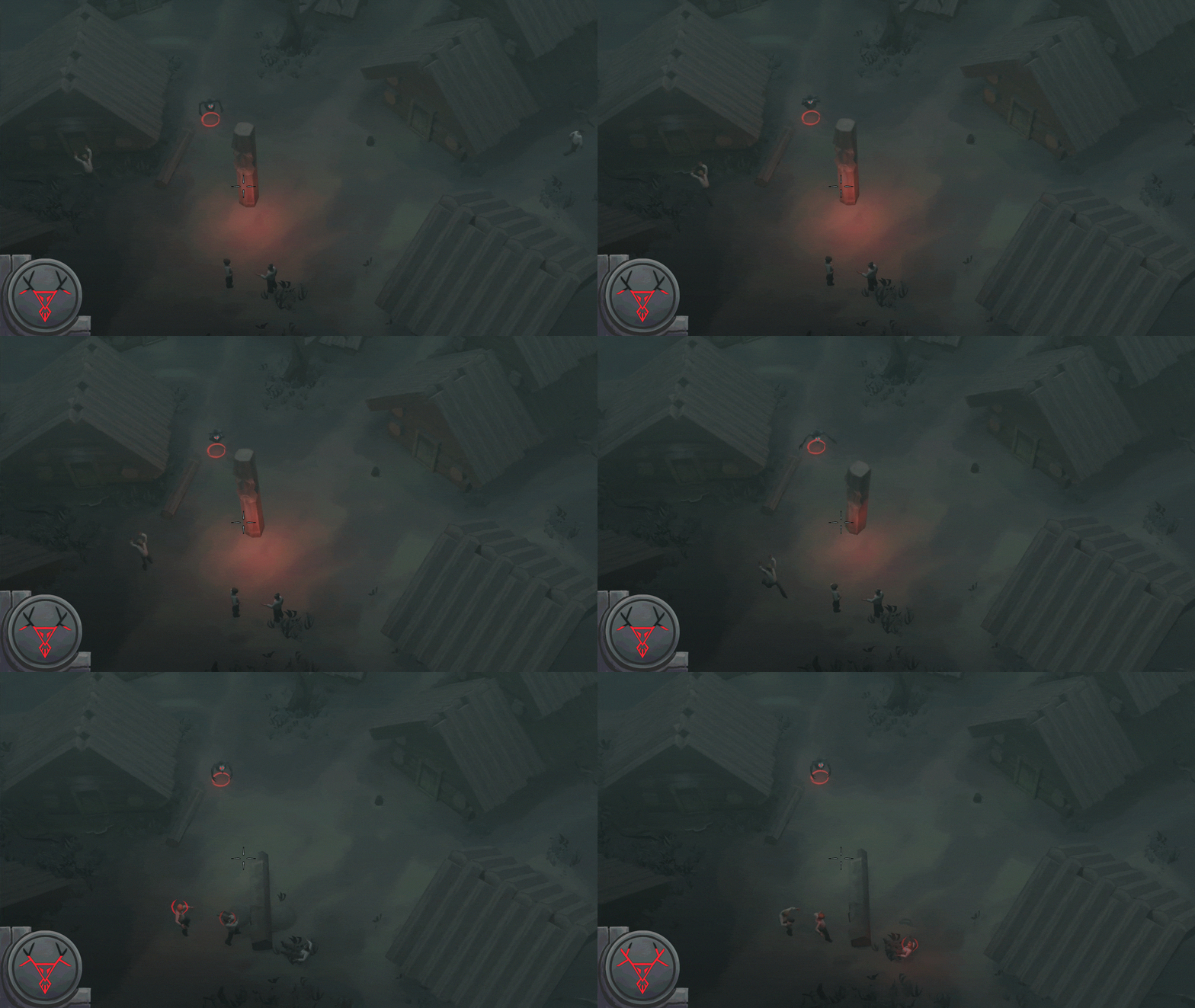
Project: 3D Video Game
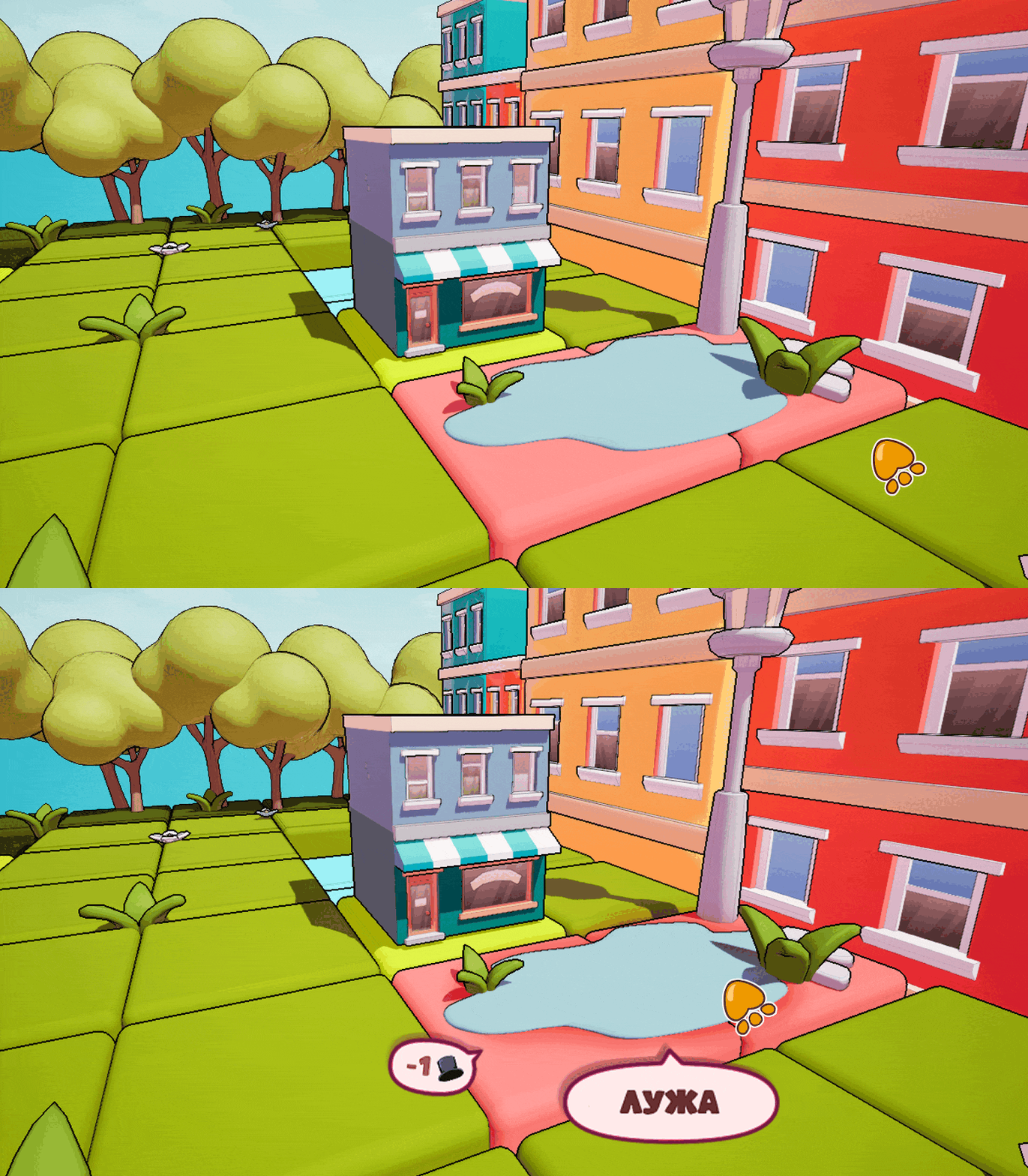
Students further explore video game genres, options for arranging 3D space, and basics of modeling, animation, editing, and stylization in 3D. They work with 3D graphics and programs for creating animations and visualizing scenes, learning to create game mechanics within technical specifications of a 3D game.
Below: A game by Vladislav Rodin.

Game Design 4: Feedback
This module focuses on in-game learning through tutorials, covering both theoretical and practical aspects. The theory includes different types of learning—external, integrated, explicit, and implicit—and how these are embedded in video game systems. Students explore psycho-physiological effects and cognitive biases related to learning. In the practical part, they use a research algorithm to develop a tutorial, culminating in an oral presentation.
Project: Game Level
Students learn the basics of working with Unreal Engine 5 for creating game levels, populating them with objects, exploring core genre-specific creation templates, and gaining practical experience. They master the basics of camera, lighting, materials, and sound and learn to configure game controls and in-game events using the engine's toolset.
Below: A game by Stefania Tantsura.
The educational outcome of the year is to equip students with a deep understanding of game design, development, and analysis. Throughout the modules, students will gain core competencies in graphic design and game aesthetics, learn about game mechanics and systems thinking, and master the basics of 2D and 3D game development. They will explore player engagement, develop skills in prototyping and evaluating player interaction, and gain proficiency in using Unreal Engine 5. Additionally, students will refine research and communication skills, understand the role of feedback and learning in games, and learn to create effective in-game tutorials.
Year two — Systems-based Game Design
In the second year, students delve into various game design specializations using Unreal Engine. During the first half of the year, they focus on creating a platformer and a mobile game. By the third module, students team up in pairs to develop a shooter. At the year’s end, they form teams of four for comprehensive collaborative projects. Throughout the year, students master essential game design skills, such as deconstructing game mechanics, project documentation, storytelling, setting creation, system balancing, level design, and testing. By year’s end, they will have developed seven video game prototypes, emerging as versatile specialists with robust portfolios ready for industry entry.
Core Modules
Systems-based Game Design 1: Deconstruction
Students dissect the concept of a "game" into its fundamental elements—such as game objects, spaces, and rules—to better understand and manage game mechanics and their interactions. They also explore user experience (UX), refining it for optimal engagement. This module teaches students to pinpoint the distinct "fun" factor in a setting and translate it into gameplay, guiding the player's experience via character actions. Through this process, students build a strong vocabulary for discussing game structure, and learn to create documentation that effectively communicates the game's essence, concept, and core features.
Project: Platformer
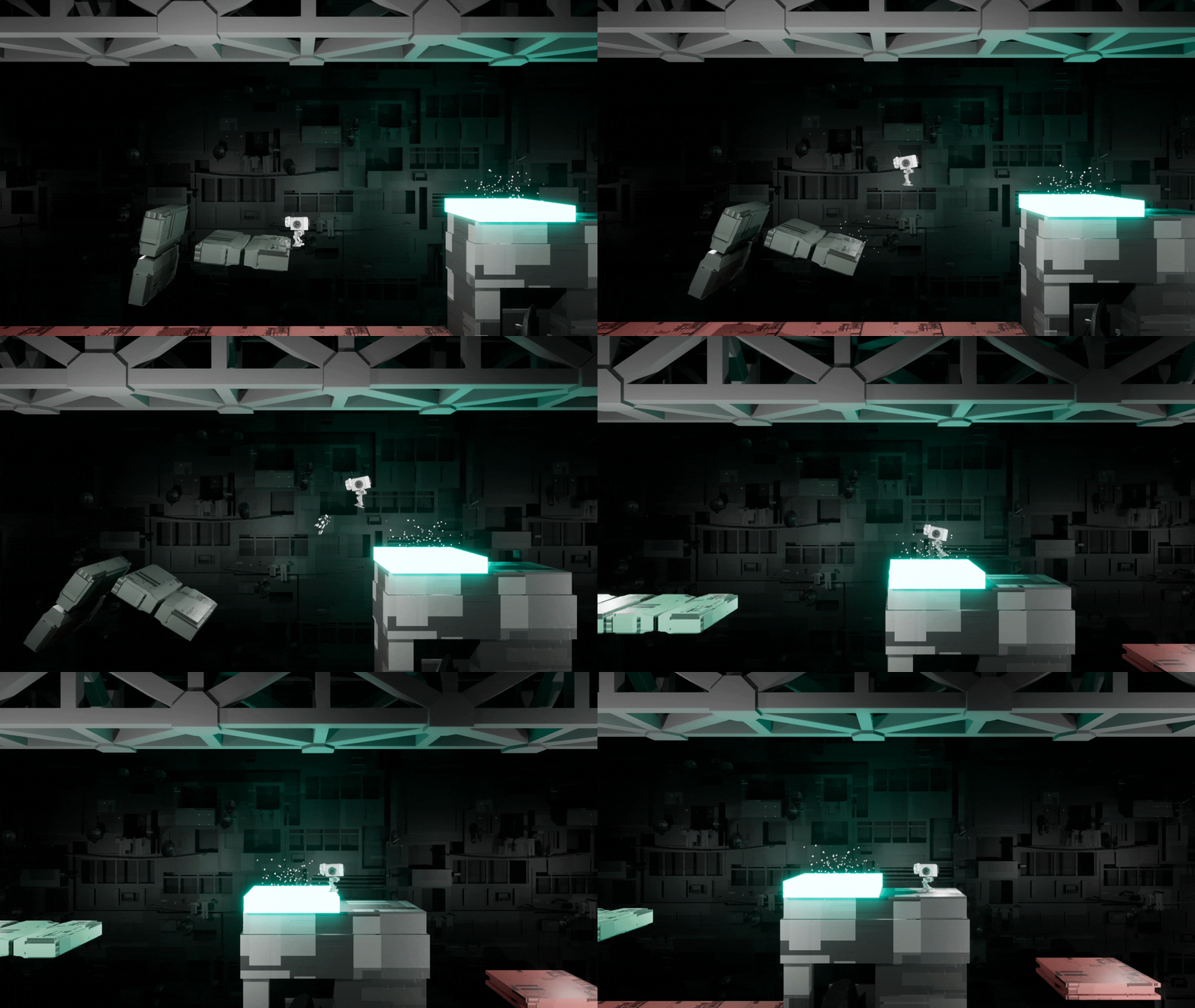
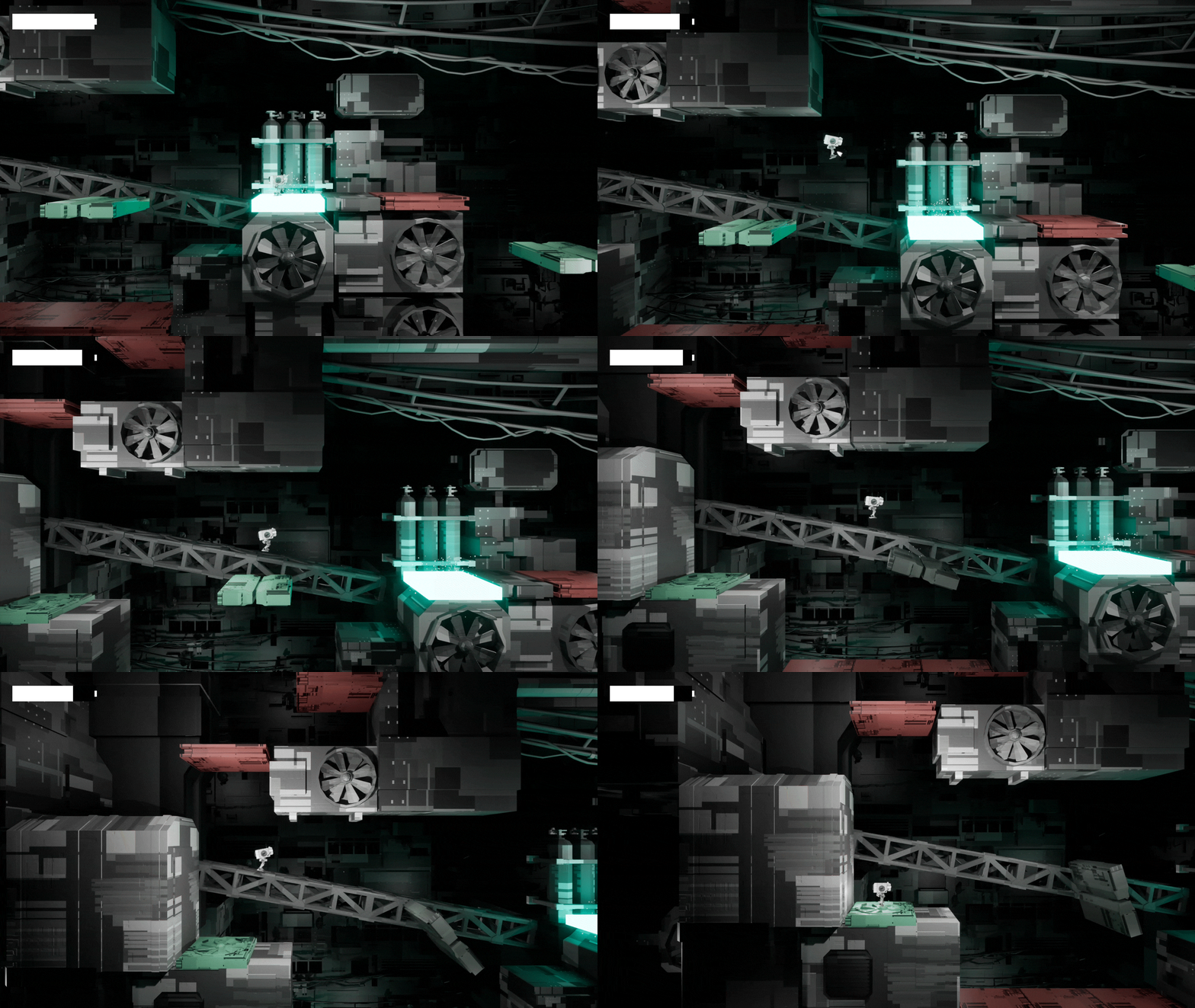
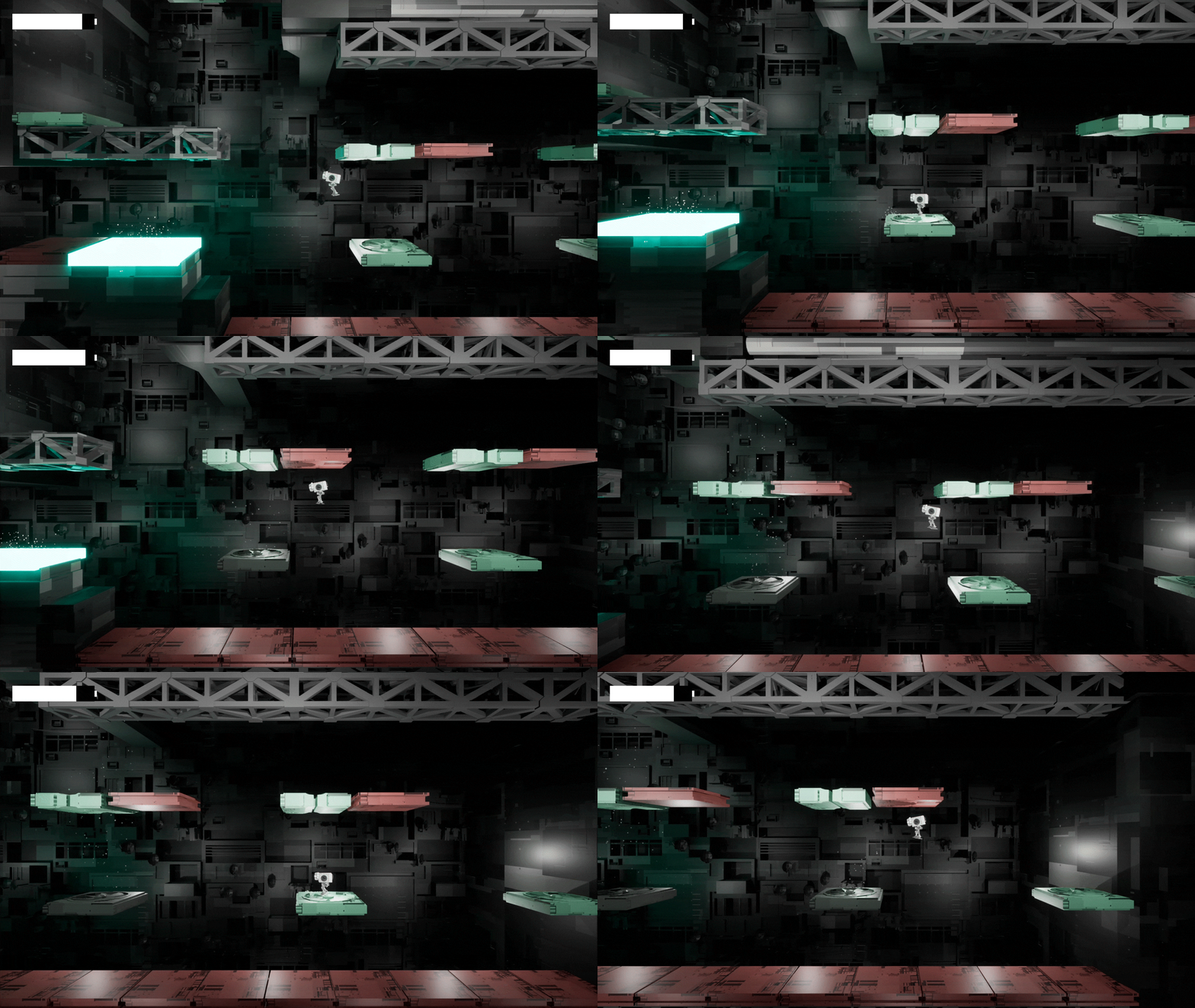
Students acquire foundational skills in Unreal Engine, learning to create interactions between game objects and configure character movements. They master platformer mechanics, produce game prototypes, and comprehend complex gameplay development. The CCC concept (Camera, Controls, Character) is emphasized, helping students design their unique platformer games. Additionally, students study platformer genre principles, deconstruct existing platformer games, and craft their gameplay based on these insights.
Below: A game by Mariya Tovma.
Systems-based Game Design 2: Setting & Story
This module involves an in-depth analysis of the game world and its components: setting (place, time, and conditions), style, character, plot, theme, and surroundings. Students learn to craft game world laws crucial for gameplay and configure associated mechanics. In the latter part of the module, they explore interactive storytelling's specificities and its roles in creating nonlinear game experiences. Viewing games as both art and educational tools, students analyze, create, and test several prototypes to enhance their narrative design skills, culminating in proficient game text writing.
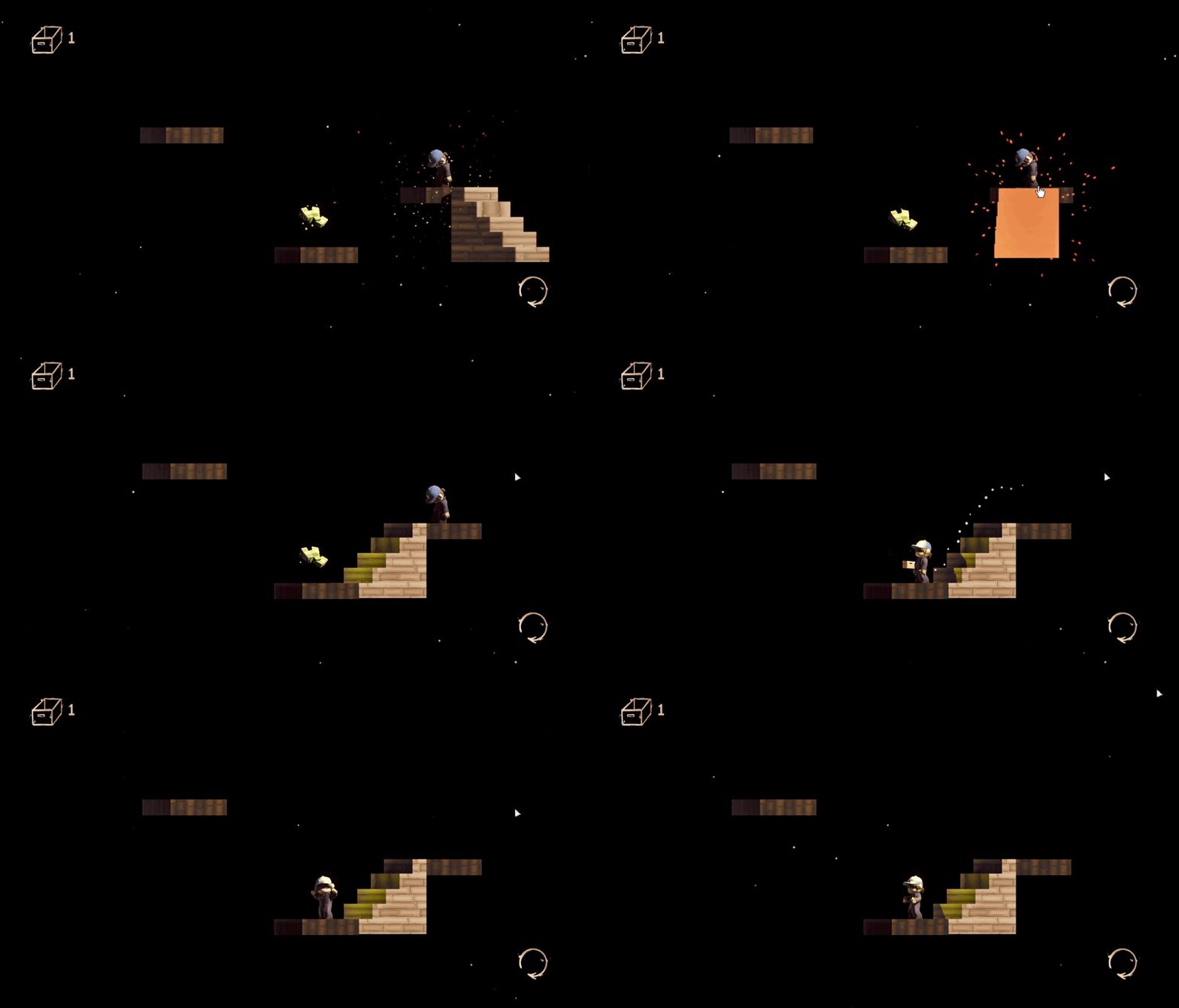
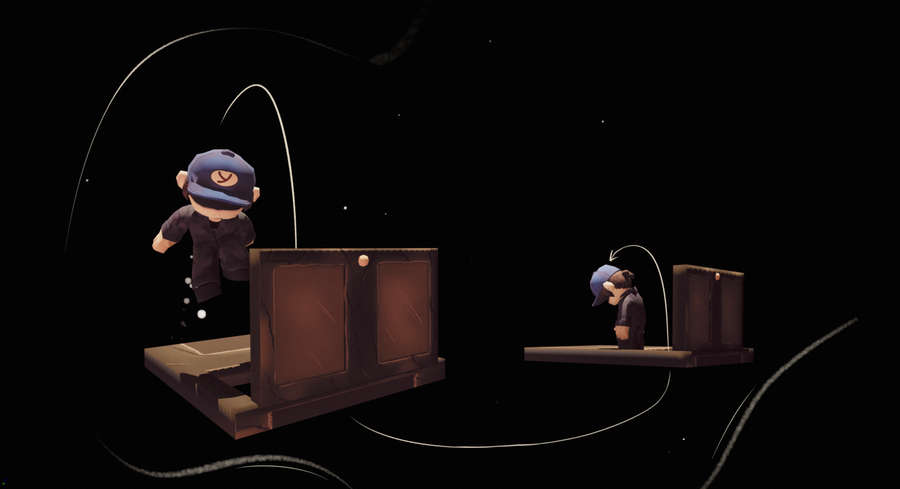
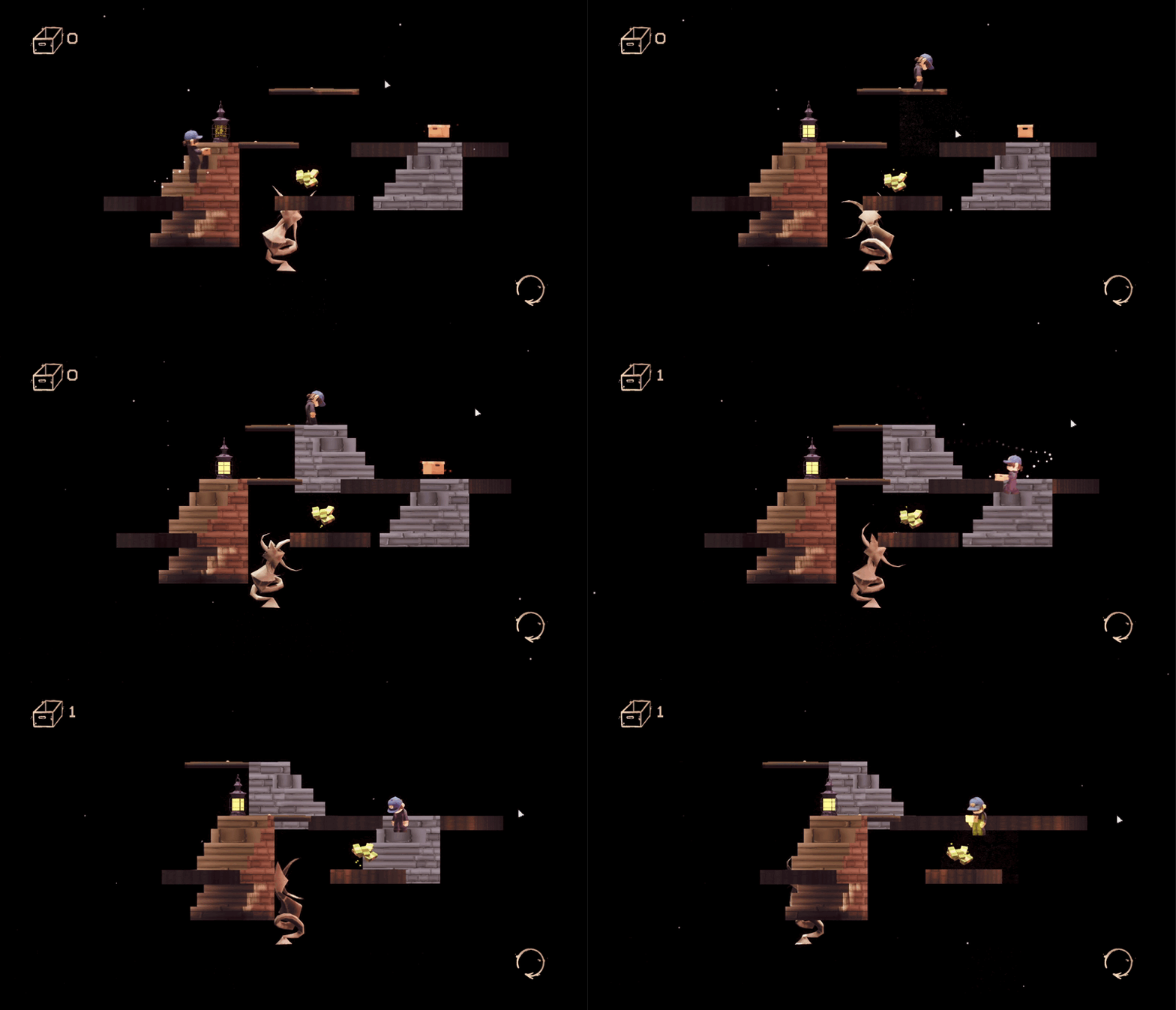
Video Game Design: Mobile Game
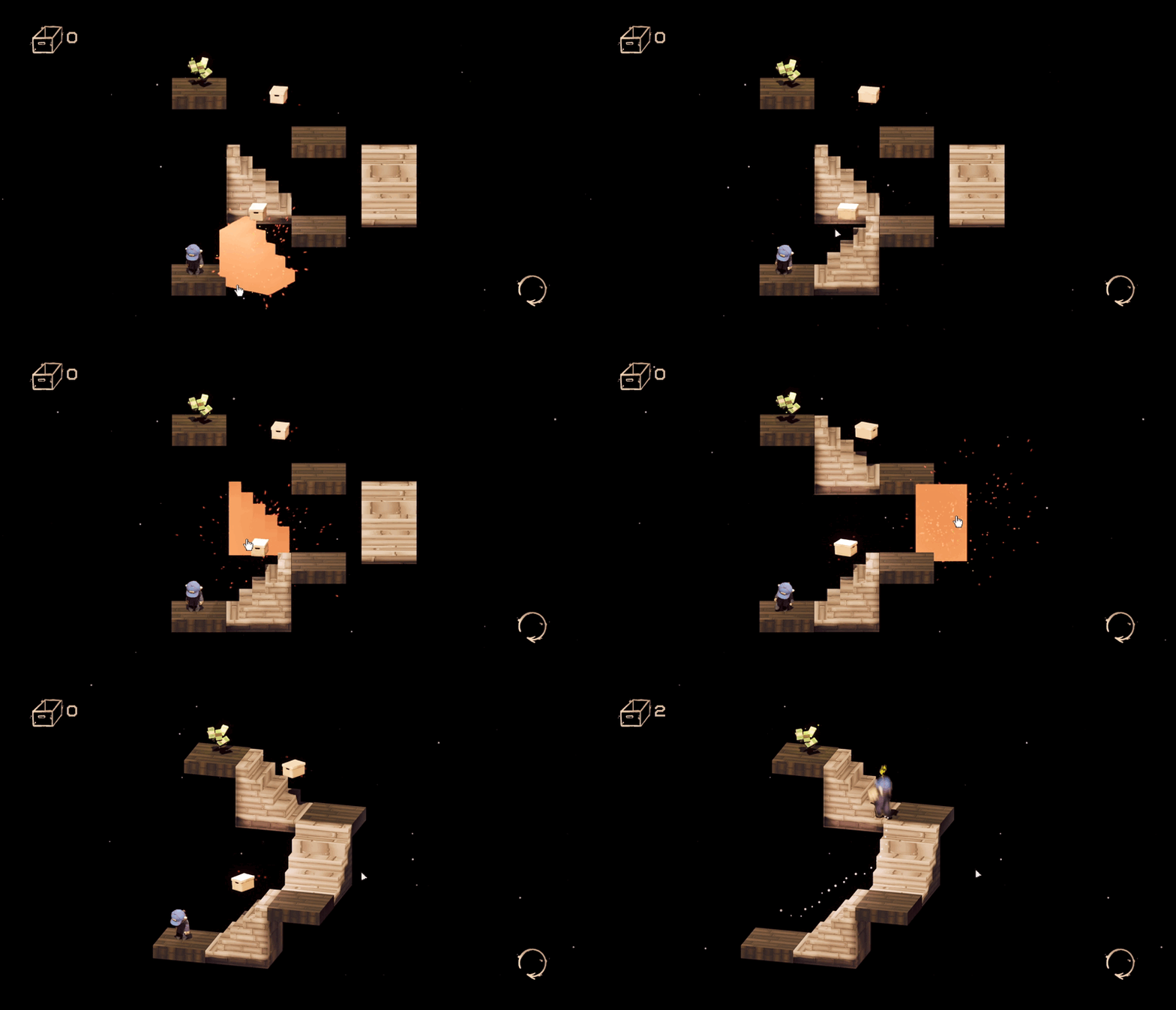
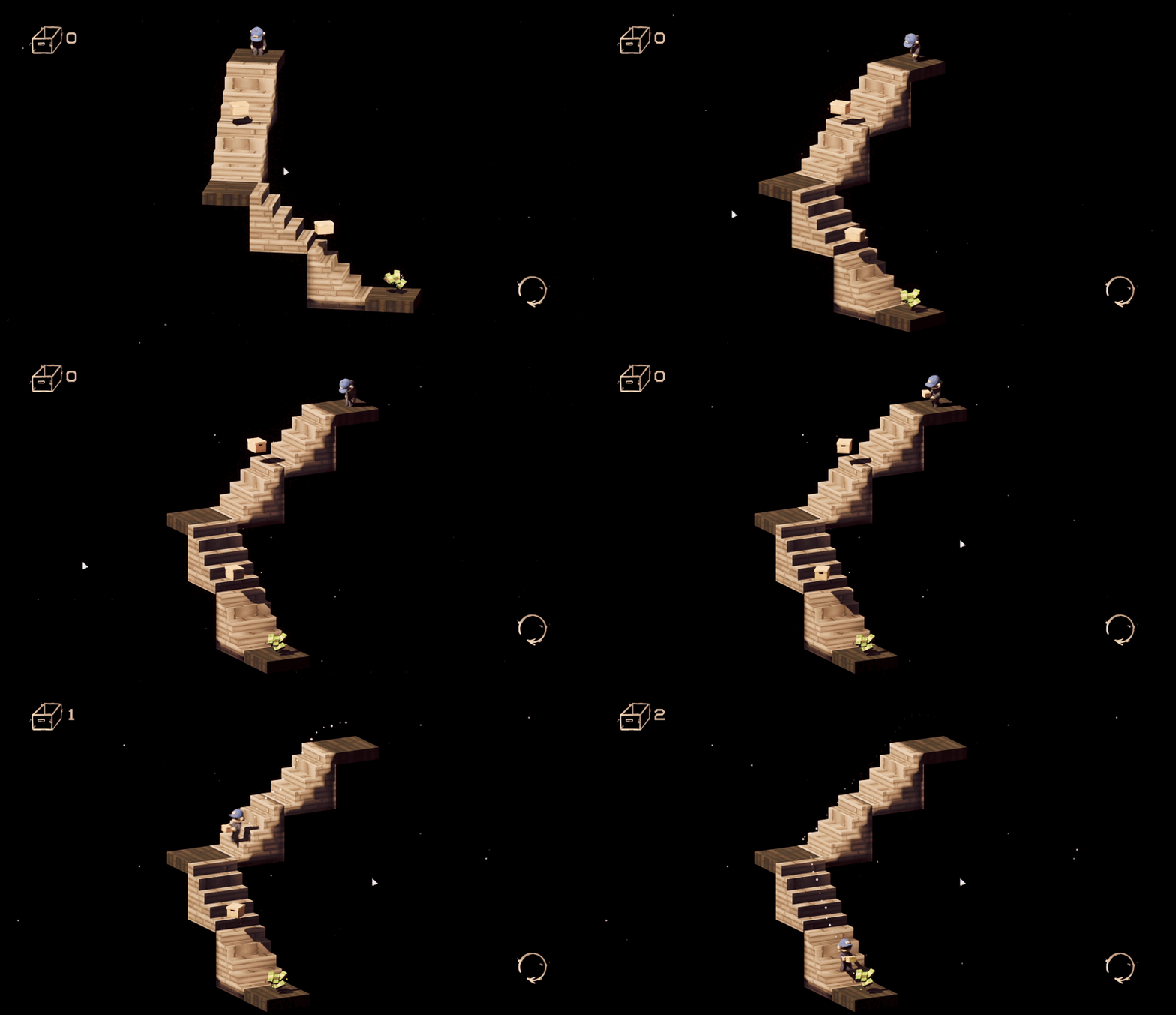
In a game jam format, students develop a playable mechanic based on an assigned theme within one month, with two jam cycles planned. The jam format emphasizes focus and mastery of the "one game - one feature" method. The module also focuses on interfaces and mobile game design. Students learn to work with widgets, understand the limitations of mobile platforms, and design compatible interfaces, as well as explore interface design principles, UX and UI concepts, and relevant documentation skills.
Below: A game by Anastasiya Belyakova & Mariya Voynova.
Systems-based Game Design 3: Prototyping & Balance
Students engage with project development and iteration, creating various game concepts and studying the development process through rapid prototyping methods. This involves analyzing player choices and approaches to fine-tuning them. The module delves into the internal, situational, and meta-game balance: probability, randomness, feedback loops, transitive mechanics, cost curves, and fairness perception. Students learn how balance impacts progression and pacing, which is reflected in quantitative metrics and statistics. Ultimately, they gain an understanding of the broader principles in game design by expanding effective player choice tactics and strategies.
Video Game Design: Shooter
Students analyze the shooter genre using Unreal Engine, deconstructing top game mechanics and creating their prototypes. The goal is to understand and implement effective shooter mechanics, covering enemy and weapon design, combat encounters, and engaging combat mechanics. Additional focus includes implementing stealth elements, designing modular levels, and tuning game balance for dynamic progression.
Below: A game by Polina Dvoryankina & Anastasiya Kruchina.