


Surf Coffee is an international coffee shop chain founded in 2010. Since its creation, the brand has developed from a small coffee business into a large network of cafés operating in multiple cities and countries. Unlike many traditional coffee chains that focus primarily on product quality and convenience, Surf Coffee has built its identity around a distinctive lifestyle concept inspired by surfing culture, freedom, travel, creativity, and self-expression.
The brand’s philosophy is reflected in its slogan, «Surfing Never Alone, ” which emphasizes the importance of community, friendship, and shared experiences.

Surf Coffee positions itself not simply as a coffee provider but as a cultural and social space where people can meet, work, communicate, and become part of a like-minded community. One of the most important aspects of Surf Coffee’s brand identity is its strong emotional positioning. The company does not sell only coffee, it sells an experience and a way of life. Customers are encouraged to associate the brand with positive emotions such as freedom, adventure, authenticity, and creativity. Through its visual style, music, interior design, and communication strategies, Surf Coffee creates an atmosphere that resembles the relaxed spirit of coastal surf communities. As a result, Surf Coffee has created a strong symbolic identity that differentiates it from competitors. The brand functions not only as a commercial business but also as a cultural platform that promotes a particular worldview and lifestyle.
Communication channels
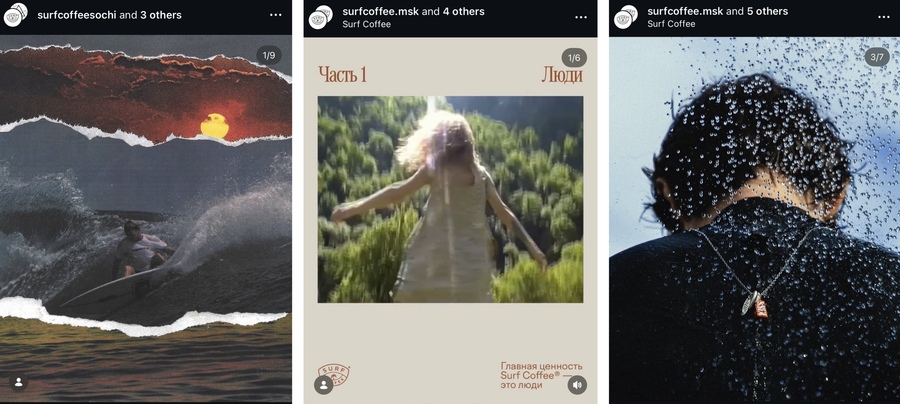
Surf Сoffee Instagram page
Surf Coffee uses an integrated communication strategy that combines digital platforms, offline experiences, community engagement, and lifestyle branding. The company maintains a consistent brand identity across all communication channels while adapting content to different audiences and locations. Social media serves as the primary communication channel for Surf Coffee. The brand is particularly active on Instagram and TikTok, where it publishes visual content focused on lifestyle, travel, coffee culture, music, fashion, and community activities.
Unlike traditional coffee advertisements, Surf Coffee rarely focuses solely on products. Instead, social media content presents a broader lifestyle narrative. Posts often feature surfers, travelers, creative professionals, urban culture, aesthetic interiors, and moments of everyday life. This approach allows the brand to create emotional connections with followers and strengthen brand loyalty.

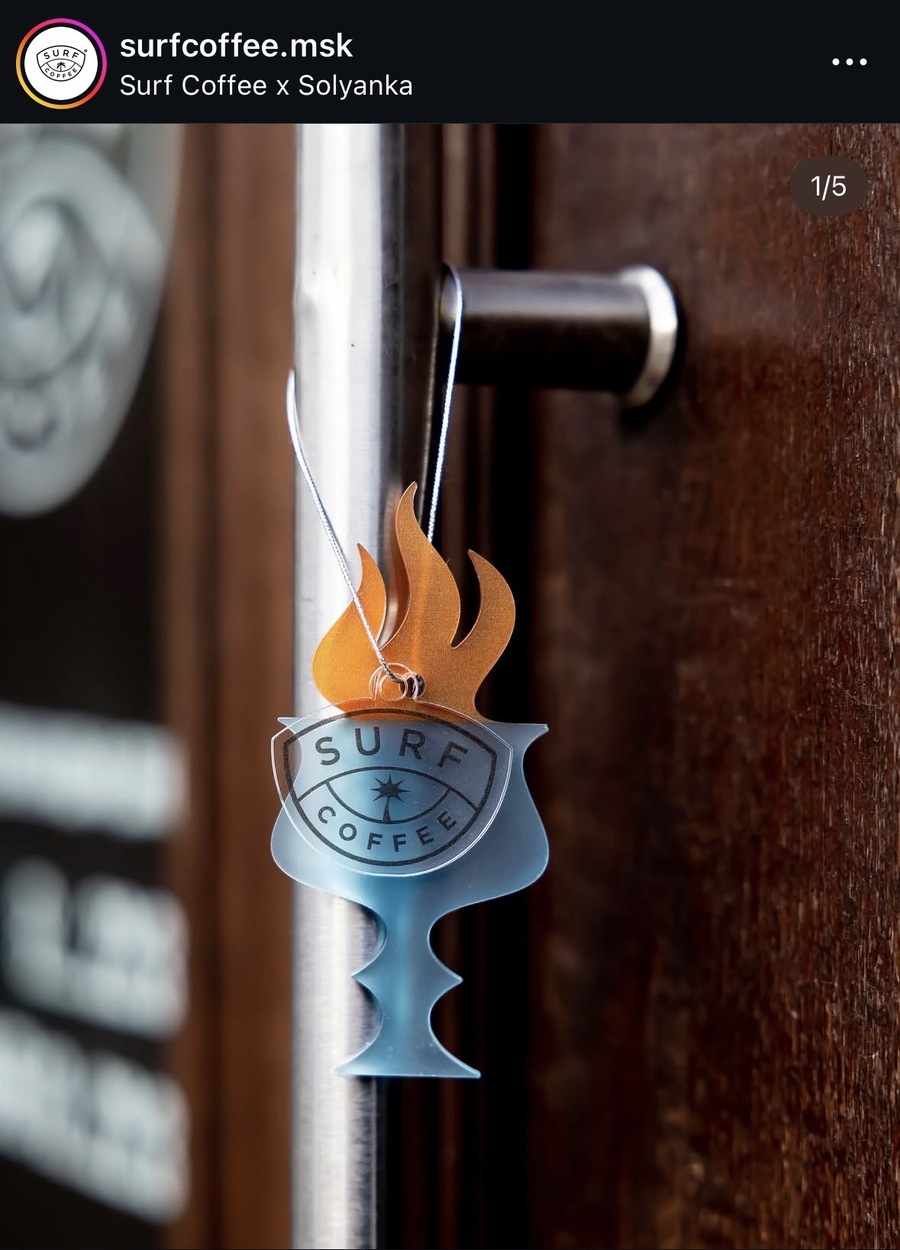


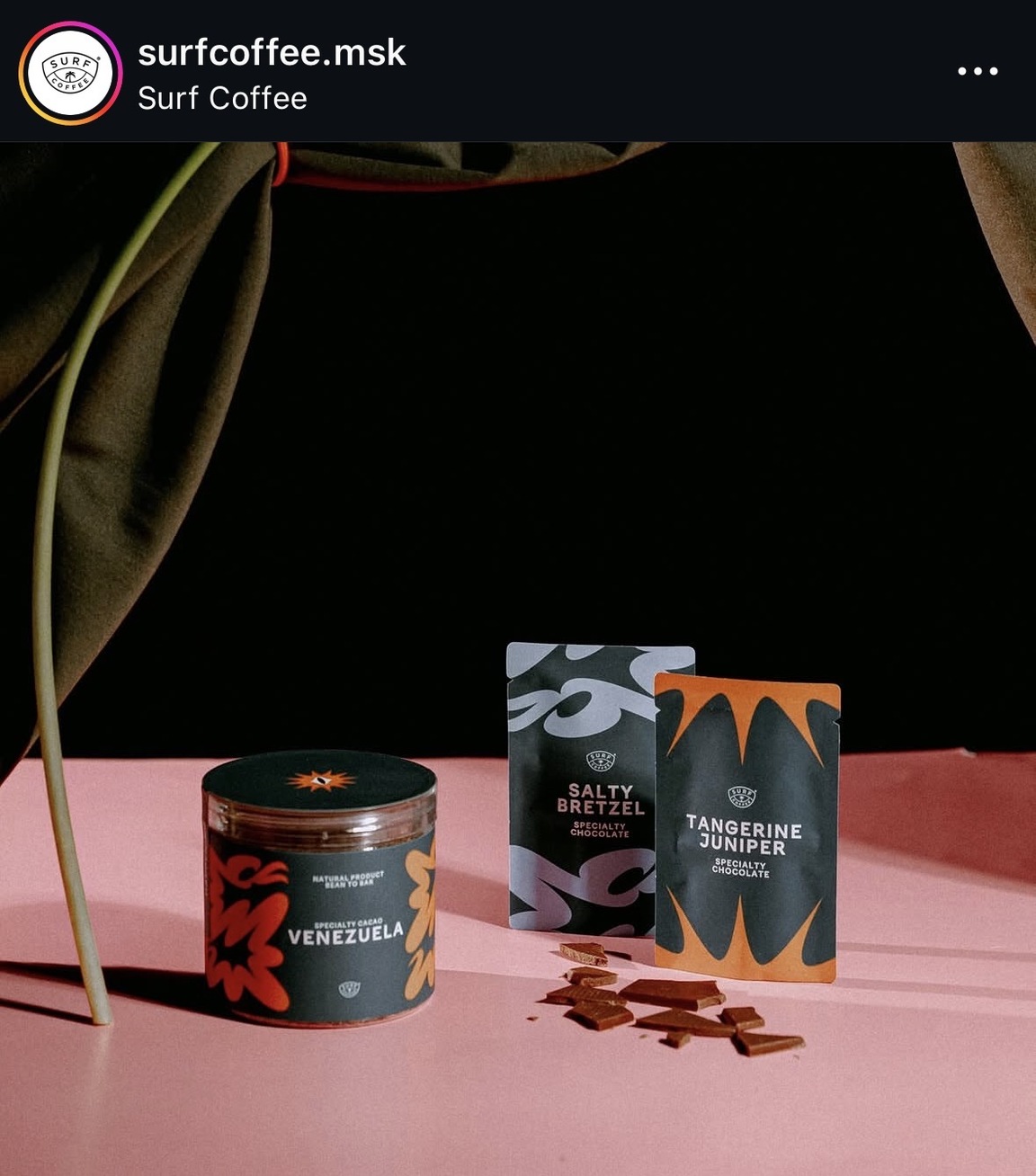
Surf Сoffee Instagram page
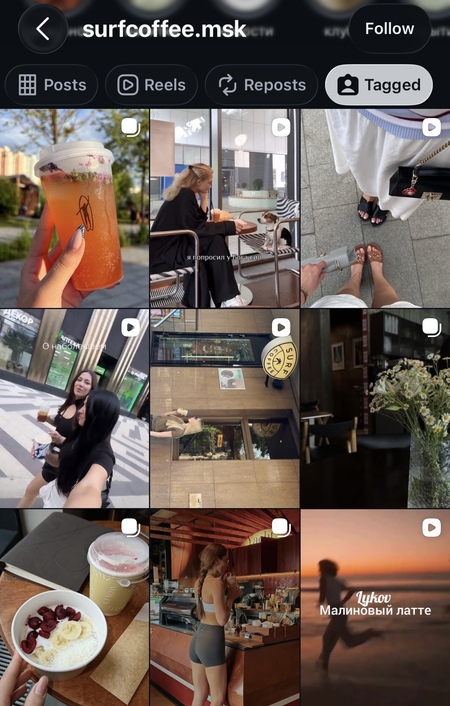
User-generated content also plays an important role in the communication strategy. Customers frequently share photos and videos from Surf Coffee locations, effectively becoming brand ambassadors and contributing to the company’s visibility online.
A key characteristic of Surf Coffee’s communication strategy is community building. The company encourages interaction not only between the brand and customers but also among customers themselves.
The company encourages interaction not only between the brand and customers but also among customers themselves.
Many cafés function as social hubs where visitors can meet friends, work remotely, attend events, or participate in local activities. Through this strategy, communication becomes two-way rather than one-way, creating stronger relationships between the brand and its audience. This approach reflects modern communication theories that emphasize dialogue, participation, and relationship-building instead of traditional promotional messaging.
Storytelling is a central element of Surf Coffee’s PR activities. Rather than communicating functional product benefits, the brand tells stories about adventures, friendships, creative lifestyles, and personal experiences. These stories help humanize the brand and strengthen emotional engagement.
Surf Сoffee Telegram сhannel
Visual identity is one of the strongest elements of Surf Coffee’s communication strategy. The brand consistently uses symbols associated with surf culture, including ocean imagery, vintage aesthetics, warm color palettes, tropical references, and relaxed typography. From the perspective of communication theory, these visual elements function as symbols that communicate values such as freedom, adventure, authenticity, and community without explicitly stating them. As a result, customers quickly recognize the brand and associate it with a particular lifestyle and emotional experience.
Surf Coffee regularly participates in collaborations, local events, cultural projects, and creative initiatives. Such activities generate media attention and strengthen relationships with local communities. These events also provide opportunities for customers to interact with the brand in meaningful ways.
Branded merchandise, including clothing and accessories, extends the brand experience beyond café visits. Products become communication tools that allow customers to express their affiliation with the Surf Coffee community. The company also uses loyalty programs, such as the «Surfer License, ” which encourage long-term customer engagement and reinforce a sense of belonging.

Surf Coffee’s communication strategy can be analyzed through two theories from communication studies: Uses and Gratifications Theory and Dialogic Theory.
Uses and Gratifications Theory (Katz, Blumler & Gurevitch, 1973) argues that audiences actively choose media content that satisfies their needs, such as personal identity, social interaction, entertainment, and escapism. This theory is relevant to Surf Coffee because the brand promotes a lifestyle and community rather than simply advertising coffee products.
Dialogic Theory, developed by Pearson and later expanded by Kent and Taylor, focuses on building long-term relationships through two-way communication between organizations and their audiences. The theory emphasizes dialogue, engagement, and mutual interaction. It is particularly suitable for Surf Coffee because the brand positions itself as a community and actively communicates with its audience through social media, events, and user participation.
Together, these theories help explain both why people engage with Surf Coffee’s content and how the brand builds lasting relationships with its audience.
Analysis: Surf Coffee through the Uses and Gratifications Theory

One of the main motivations described by Uses and Gratifications Theory is the search for personal identity. People consume media that helps them express who they are or who they want to become.
Surf Coffee actively uses this mechanism in its communication. The brand’s social media accounts rarely focus exclusively on beverages. Instead, posts frequently feature surfing culture, music, street fashion, road trips, creative professionals, and coastal aesthetics.
Such content allows followers to associate themselves with a desirable lifestyle. By interacting with Surf Coffee, consumers are not only purchasing coffee but also expressing membership in a creative and independent community.
From the perspective of Uses and Gratifications Theory, the audience follows Surf Coffee because the content reinforces their self-image and personal values.
Surf Сoffee Instagram page
Another important gratification is social interaction. People often use media to feel connected with others who share similar interests.
Surf Coffee consistently positions itself as a community rather than simply a coffee chain. The company organizes local events, music sessions, collaborations with artists, and community gatherings. Social media content frequently highlights customers, employees, and local Surf Coffee spaces.
This communication strategy creates a feeling of belonging. Followers are encouraged to view themselves as members of the Surf Coffee community rather than ordinary consumers.
Therefore, the brand satisfies the audience’s need for social connection and community participation.



(1) Surf Coffee’s «House of Dreamers» campaign; (2) Collaboration with jewelry brand Mozi J; (3) Collaboration with «Chtivo» and other festivals

Uses and Gratifications Theory also identifies entertainment and escapism as key motivations for media use.
Many Surf Coffee posts focus on visually appealing imagery: beaches, sunsets, surfing, travel, music, and relaxed everyday moments. These images allow users to temporarily escape routine life and immerse themselves in a more inspiring environment.
The content often provides emotional value rather than informational value. Followers engage with the brand because it creates positive emotions and offers a short escape from everyday responsibilities.
This demonstrates how Surf Coffee fulfills entertainment and escapism needs through visual storytelling.



Surf Сoffee Instagram page

Based on Uses and Gratifications Theory, Surf Coffee’s communication strategy can be considered highly effective. The brand successfully satisfies several important audience needs simultaneously:
- Personal identity through lifestyle positioning; - Social interaction through community-building -activities; - Entertainment through visually attractive content; - Escapism through inspirational storytelling.
Analysis: Surf Coffee through the Dialogic Theory

One of the clearest examples of mutuality is Surf Coffee’s effort to treat its audience as active participants in communication rather than passive consumers. The brand regularly asks followers questions, invites them to share their experiences, photos, and stories from visiting Surf Coffee locations. By encouraging audience participation, the brand demonstrates that customer opinions are valued and considered an important part of the communication process.
Surf Сoffee Instagram page
«If you’ve already been by, let us know what you thought in the comments! If you haven’t yet, this is your sign to stop in for coffee and great conversations.»
@surfcoffee.msk