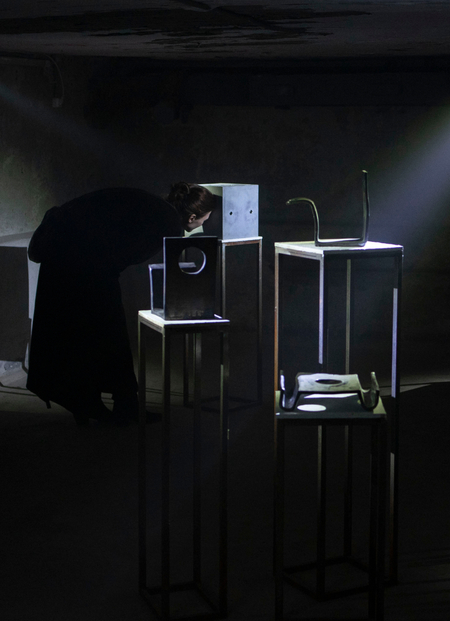
Групповая выставка выставка о том, как лишнее и «ненужное» может быть ключевым, как несовпадения и остатки делают структуру живой. И о том, что внимание к этим разрывам — шаг к переосмыслению, к свободе, к возможности увидеть реальность иначе.
15 мая — 23 мая 2025 Галерея «Бомба», ЦТИ «Фабрика»
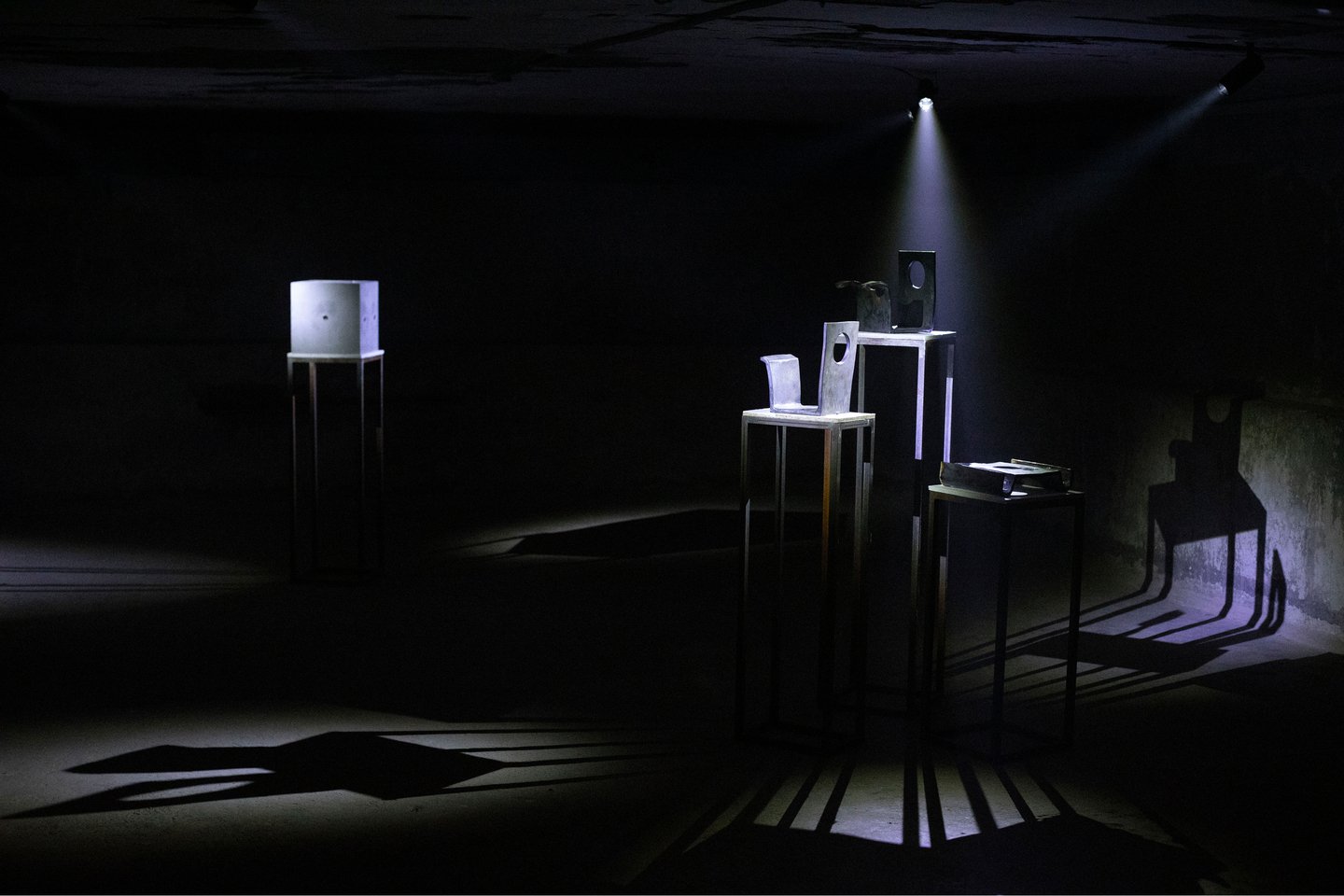
экспозиция выставки «360 и 5», галерея «Бомба»
Художницы: Зармина Куропатова, Алина Матвеева, Ольга Махно, Диана Нармания, Екатерина Сенацкая, Арина Смирнова, Женя Старикова, Елена Тормышева, Анна Чапкина.
Фото: Алиса Агапкина
КУРАТОРСКИЙ ТЕКСТ
В основе концепции — сопоставление двух циклических структур: 360 градусов круга как отражения идеальной, универсальной системы, и 365 дней календарного года как формы организации времени, которая воспринимается как естественная норма.
Однако в этом «естественном» цикле содержится пять «лишних» единиц, которые выбиваются из идеальной схемы. Они сохраняют нашу систему времени функциональной — и одновременно подсвечивают её искусственность, неполноту, подвижность. Благодаря этим 5 единицам становится очевидным, что даже такие привычные и, на первый взгляд, «естественные» структуры, как календарь, на самом деле созданы человеком. Они не идеальны и не универсальны — в них есть зазоры, несовпадения, остатки.
Эти 5 единиц служат свидетельством того, что система — это всегда конструкция. Они словно подсвечивают условность тех норм, к которым мы привыкли.
экспозиция выставки «360 и 5», галерея «Бомба»
Работы на выставке исследуют способы, с помощью которых можно увидеть разрыв в привычной системе, заметить её условность и подвижность.
Мир не существует для нас как абстрактная схема — он всегда даётся нам через телесный опыт: через то, как мы его ощущаем, как движемся в нём, как на нас воздействуют свет, звук, температура, гравитация. Работы в экспозиции меняют восприятие пространства через визуальные образы, заменяют реальность виртуальным пространством, ставя действительность под сомнение.
Они посвящены языку, знакам и смыслам, которые структурируют наше мышление, и исследуют несоответствие формы и содержания, показывая, как в таких сбоях открываются новые возможности для переосмысления этих систем.
Также ставится под вопрос универсальность научного языка, демонстрируя, что и он — социальный конструкт, встроенный в конкретную культурную систему.
экспозиция выставки «360 и 5», галерея «Бомба»
ПЛАН ПРОСТРАНСТВА
01 Входная группа 02 Зармина Куропатова «Трофей» 03 Зармина Куропатова «Множество леса» 04 Алина Матвеева «Так сошлось» 05 Ольга Махно POO-TEE-WEET 06 Диана Нармания «Цирк» 07 Екатерина Сенацкая «Детали» 08 Екатерина Сенацкая «Воспоминания о детстве» 09 Арина Смирнова decode me gently 10 Женя Старикова «Самый простой сюрреалистический акт» 11 Елена Тормышева «Сортировщик» 12 Анна Чапкина «Покинутое пространство»
ПРОСТРАНСТВО
Этот блок посвящён пространственным искажениям и несовпадениям. Работы здесь исследуют то, как мы вписаны в архитектуру, ландшафт, топологию, и как эти системы могут давать сбои: создавать ловушки, тупики, разрывы, зоны исключения. Пространство может быть слишком узким, слишком широким, странно организованным — и в этом нарушении проявляется возможность пересмотра.Зармина Куропатова «Трофей»
Зарина Куропатова Трофей, 2024 живопись, зеркала
Серия работ на зеркалах искажает пространство: на зеркальных поверхностях изображены трофеи — рога, оторванные от своего природного контекста. Их отражения множатся, перекликаются друг с другом, создавая эффект рекурсивной последовательности, где границы между объектом и его отражением стираются.
Зеркало становится не просто отражающей поверхностью, а средой для слома пространства, фиксации множественных состояний и ракурсов одновременно. Зритель оказывается внутри системы смещений, зазоров и отражений, которые подчеркивают условность любой конструкции пространства.
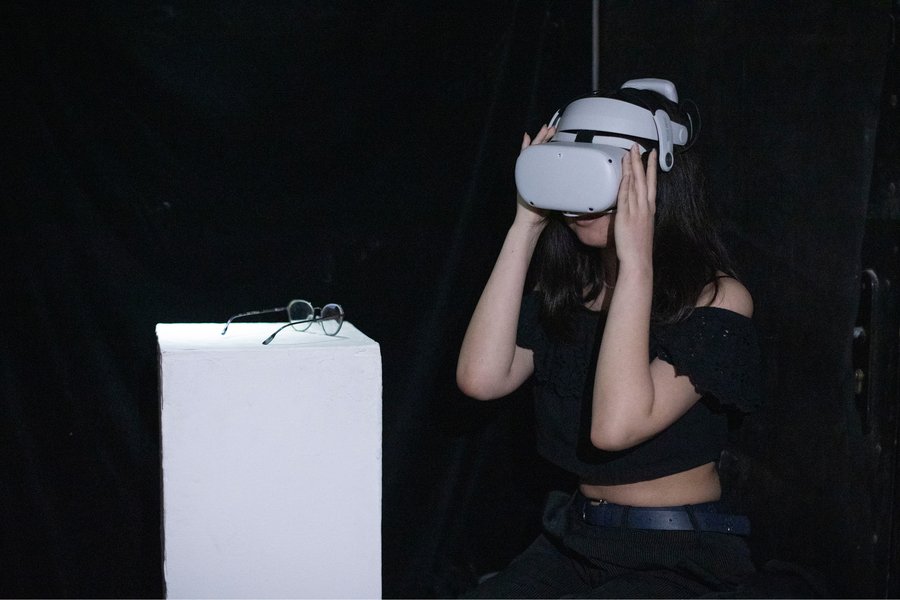
Диана Нармания Цирк, 2024 VR-очки, видео 360
«Цирк» исследует двойственность и абсурдность человеческого существования, где отверженные персонажи становятся героями, а ирония и нелепость защищают нас от страха перед неизбежным концом. Используя формат 360°, работа создаёт гипнотическое восприятие, где реальность и фантазия переплетаются. Тема обращается к скрытым, незамечаемым элементам системы, выявляя их как основу существования, несмотря на их абсурдность и несовершенство.
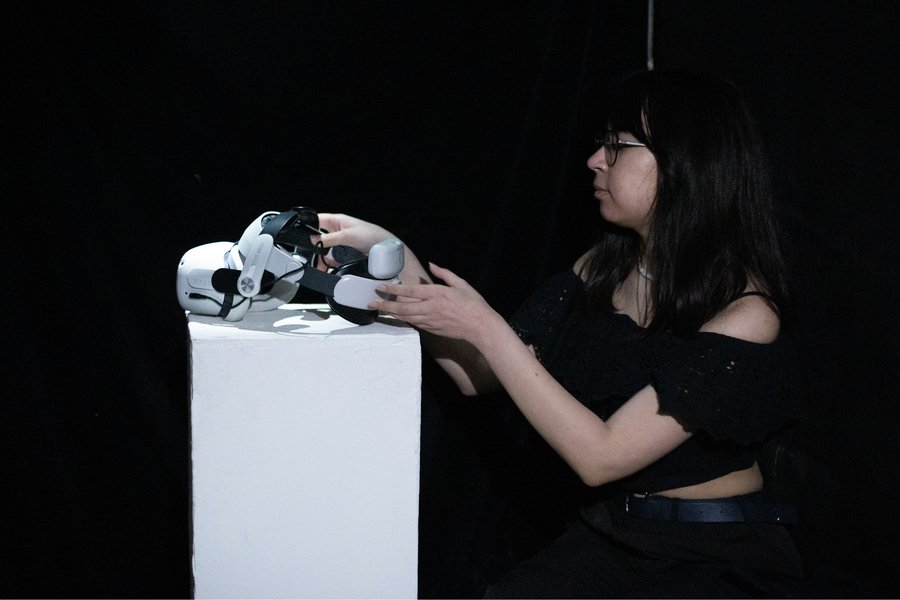
Диана Нармания «Цирк»
Диана Нармания «Цирк»
ТЕЛО Тело — это условие возможности восприятия. Мир не существует для нас как абстрактная схема — он всегда даётся нам через телесный опыт.
Работы, которые изменяют восприятие тела или создают непривычные ощущения, нарушают нашу встроенность в систему.
Елена Тормышева «Сортировщик»
Елена Тормышева Сортировщик, 2024 фанера, акриловая краска, зеркальная пленка, 150×150×150 см
Работа представляет собой большой куб с вырезами, напоминающими силуэты человеческих фигур. Зрителю предлагается пройти сквозь них, физически сталкиваясь с границами формы. Этот объект отсылает к детской игрушке-сортеру, где каждая фигурка должна соответствовать строго заданному отверстию.
Художница размышляет о том, как человек на протяжении жизни старается «подогнать себя» социальным нормам, формирующим рамки комфортной среды и границы «нормальности», принятые большинством. Если форма не совпадает — не пропускают, застреваешь или приходится меняться, чтобы пройти.
Работа предлагает зрителю телесно пережить это напряжение между индивидуальной формой и внешним требованием соответствия.
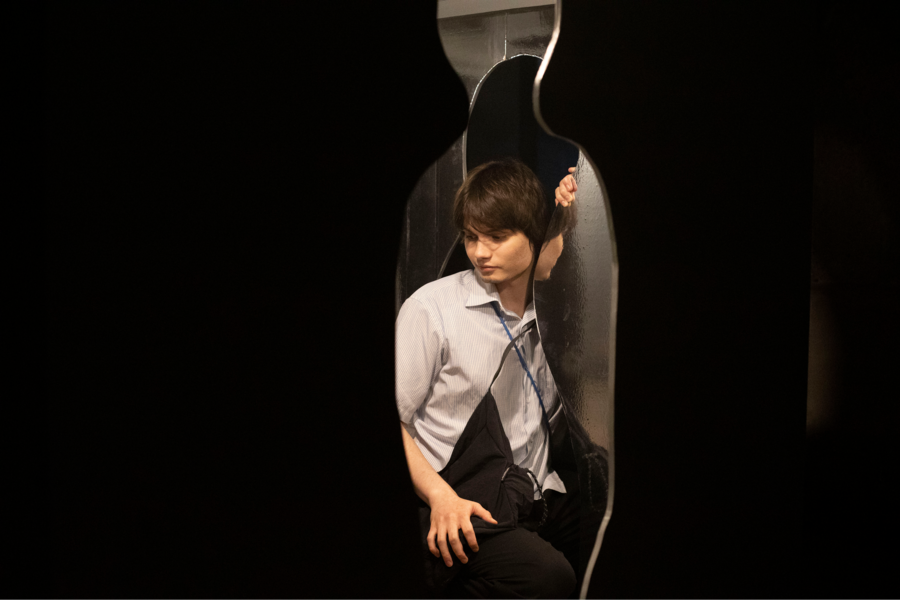
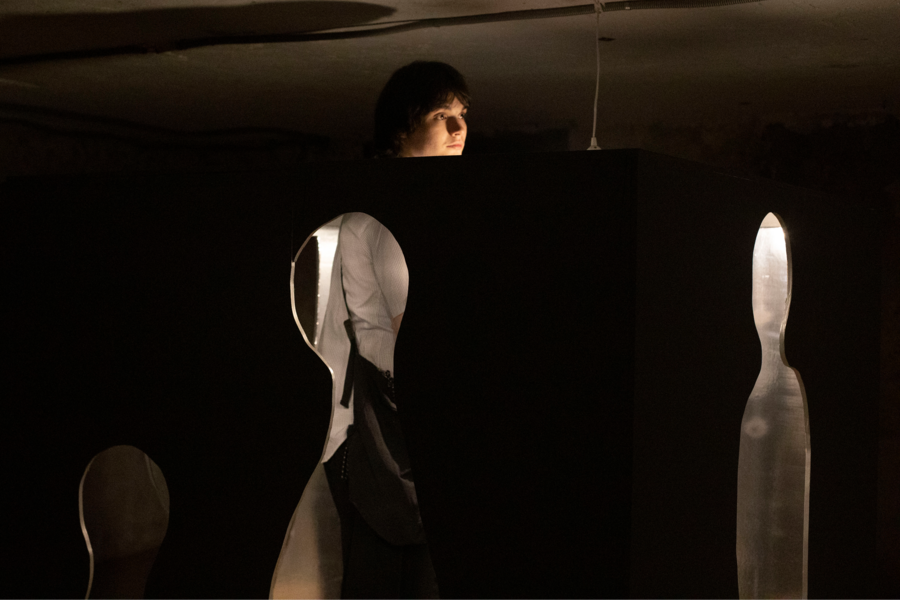
Елена Тормышева «Сортировщик»
ЗНАК
Зона, посвящённая языку, знакам и смыслам — как системам, которые структурируют наше мышление, но тоже подвержены сбоям, разрывам, двусмысленностям. Работы здесь исследуют, как слова могут не соответствовать вещам, как значение может ускользать, а знак — не срабатывать. Язык даёт нам доступ к миру, но он же может искажать, ограничивать, обманывать.
экспозиция выставки «360 и 5», галерея «Бомба»
Арина Смирнова decode me gently, 2025 Видео 04’12
Мысли чтобы быть сформулированной нужно расшифроваться в некой знаковой системе.
И в этот момент болото-туман чувств и ощущений измерения мысли обрезается обозначением системы знаков и символов. decode me gently — это поэтическое размышление о том, что остаётся за словом и что не поддаётся артикуляции, но продолжает звучать в дрожи, паузе, дыхании. Через текст, голос и движение автор исследует границы языка, фиксируя, как ощущение превращается в язык, и что теряется при переводе в знаковую систему.
Арина Смирнова decode me gently, 2025
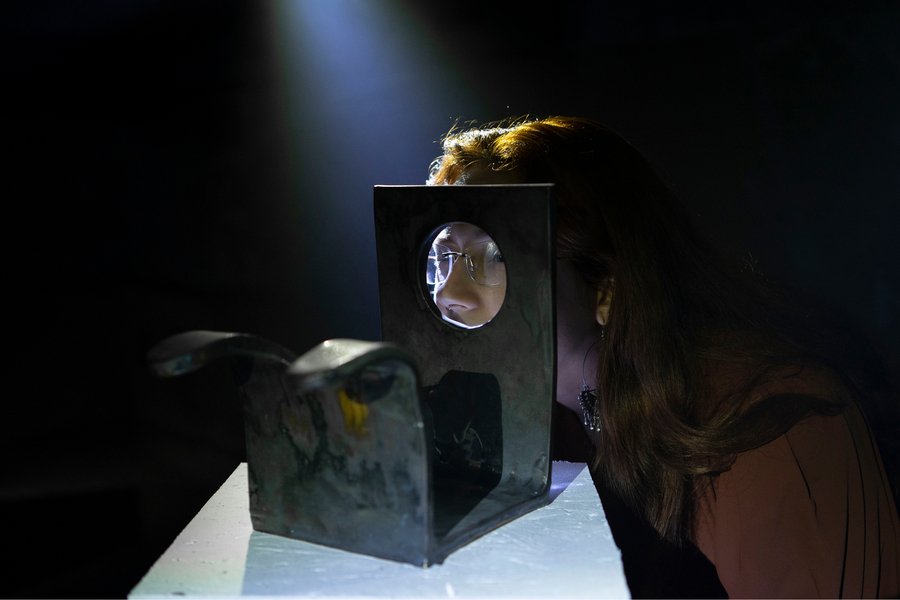
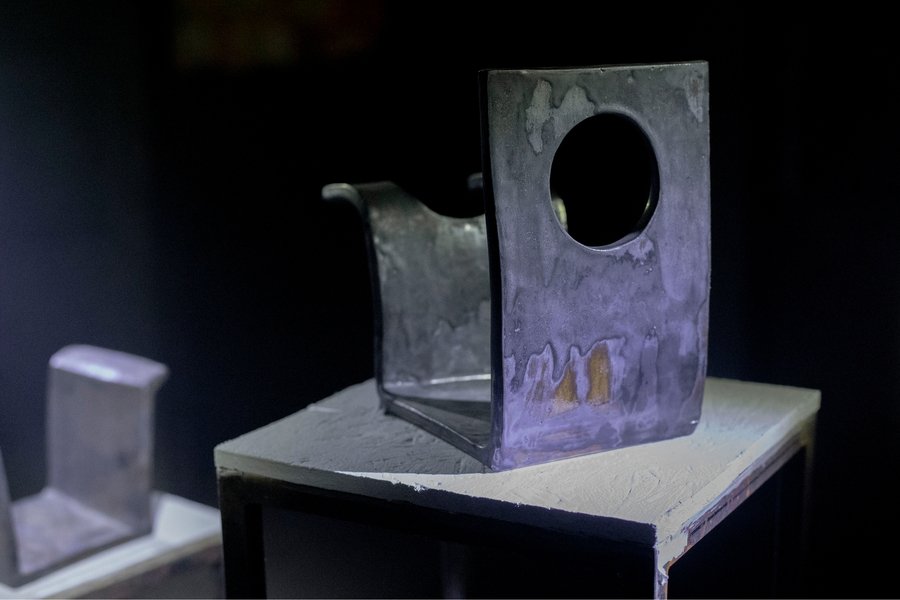
Екатерина Сенацкая Детали, 2024 Керамика, серия из 3 скульптур
«Детали» — олицетворение остатка как смыслообразующей части целого. Увеличенные керамические фрагменты крепежей из мануалов IKEA, вырванные из своего функционального контекста, становятся символами несовершенства, встроенного в структуру любой системы.
Даже в самых выверенных из них может быть остаток — это не ошибка, а след взаимодействия порядка и хаоса, человеческой логики и непредсказуемости жизни.
Екатерина Сенацкая «Детали»
ЗНАНИЕ
Зона, в которой народные знания, мифы, символические практики рассматриваются наравне с научными и рациональными системами.
Работы здесь показывают, что магическое мышление — не противоположность знания, а альтернативный способ описания мира, столь же действенный. Эта зона ставит под вопрос универсальность научного языка, демонстрируя, что и он — социальный конструкт, встроенный в конкретную культурную систему.