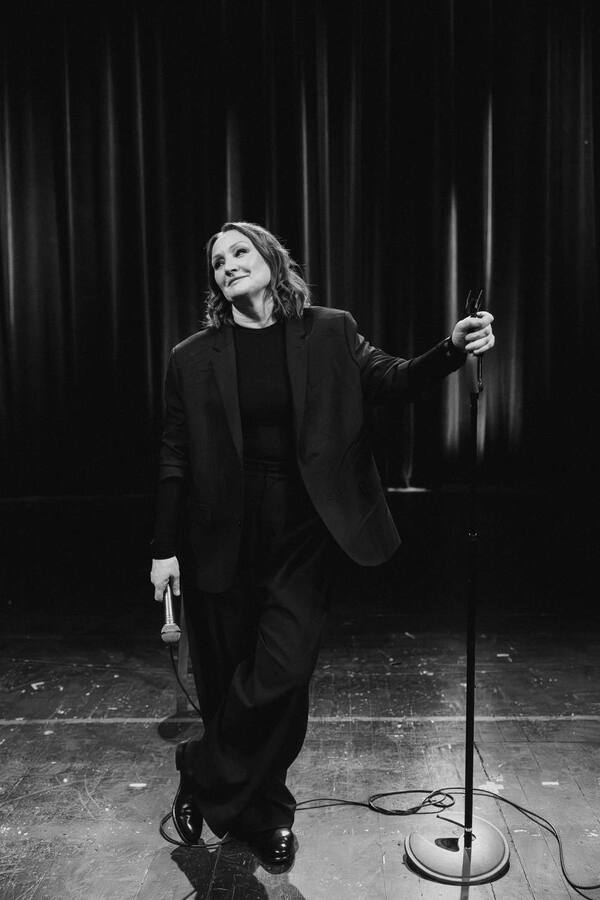
Накануне Нового года в центре Москвы, в Stand Up Cafe, прошло выступление выпускников первого курса стендапа Школы дизайна НИУ ВШЭ.
Их наставником была Елена Новикова, победительница проекта «Открытый микрофон», постоянный резидент шоу Stand Up на телеканале ТНТ, профессиональная актриса, сценарист, телеведущая.
А у самой Новиковой произошло важное событие в феврале — большой сольный концерт на сцене Театра имени Пушкина. Сразу после него театральный менеджер и педагог Марина Андрейкина поговорила с Еленой — о стендапе и театре, обучении и преподавании, жизненных поворотах и дизайне карьеры.

Выпускники курса стендапа Елены Новиковой в Школе дизайна. Декабрь, 2025.
Стендап-комик в драмтеатре — возвращение на родную сцену
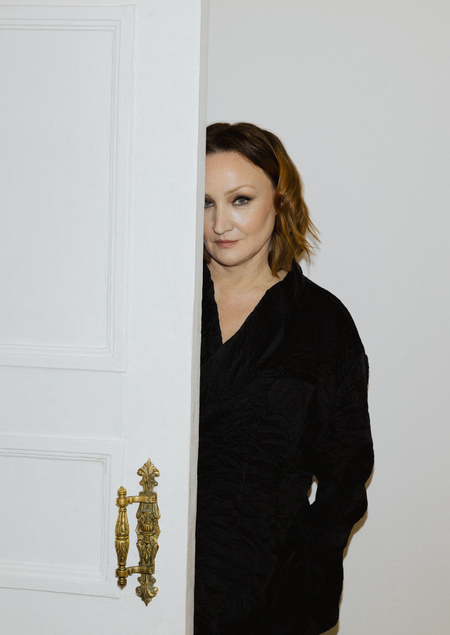

Фотографии: Ксения Кондитерова
Марина Андрейкина: У вас только что прошёл большой сольный концерт «Часики» — в театре имени Пушкина, где вы много лет служили актрисой. Это было давно задуманное возвращение на белом коне в поверженный город или холодное профессиональное любопытство? Елена Новикова: Ни то, ни другое. И это точно не возвращение в поверженный город, потому что театр Пушкина сейчас в прекрасной форме во всех смыслах — он отреставрирован, и в нём сегодня, на мой взгляд, лучшая среди московских театров труппа. К ней добавились уже три поколения выпускников Евгения Писарева из Школы-студии МХАТ. Там идут очень крутые спектакли. Для меня это было не возвращение, а закрытие гештальта. Когда-то на сцене этого театра я состоялась как актриса, а сейчас на сцене этого театра состоялась как комик. Я 10 лет занимаюсь комедией, но рождение комика случилось только 16 февраля 2026 года. Пока у тебя нет сольного концерта, пока ты не масштабируешь свои мысли и всем своим концертом не рассказываешь какую-то одну, единую историю, ты ещё не стендап-комик. Когда ты выходишь на такие масштабные сцены с такими масштабными проектами, ты как бы берёшь профессиональную ответственность за то, что ты делаешь, и то, что говоришь. И это все очень похоже на спектакль. Мне было важно, чтобы театр и стендап встретились на одном поле, поэтому у «Часиков» есть «театральный отец» — это режиссер Юрий Муравицкий. Мой однокурсник по Школе театрального лидера, южный человек, как и я. Обожаю его спектакли, после них хочется жить! Для меня его эстетика — как будто гонишься за кем-то летом в кукурузном поле под потешный духовой оркестр. У нас не было процесса, обычного для тандема: режиссер-актриса. Юра «масштабировал» все мои мысли, не пропустил ни одну. Знаете, что он делал? Он постоянно поднимал мою самооценку. Он давал каждому заходу шанс по-актерски проявляться на сцене. Уже мечтаю про наш следующий спектакль-концерт-перформанс. И есть уже идеи.
Фотографии: Ксения Кондитерова
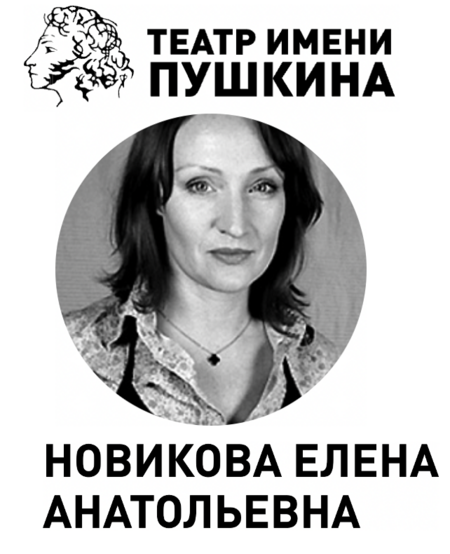
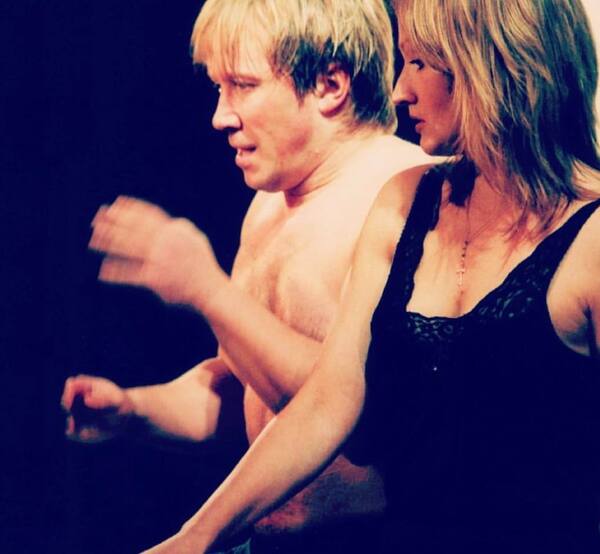
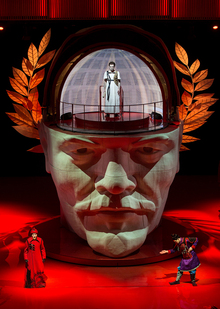
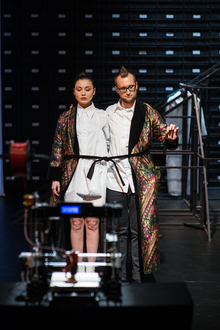
Фотографии с сайта театра имени Пушкина. Спектакль «Откровенные полароидные снимки» (2005)
М: Какая была публика — драматического театра или стендап-выступления? И как она реагировала? Е: В зале точно были люди, которые видели меня как артистку на этой сцене — это мои родственники и близкие друзья, они прошли весь этот путь со мной. Они знают, как я тут выходила Титанией во «Сне в летнюю ночь». Они видели меня на разных площадках. И для них тоже случилось какое-то очень крутое соединение того времени и этого. Концерт назывался «Часики», и в этом смысле часики здесь тоже встретились. Время стало главным героем. Люди, которые купили билеты, не были театральной публикой. Мы по продажам видели, что публика пришла из соцсетей, из стендап-сообществ. Но также было очень много театральных студентов, которые пришли с мамами-театралками. Там были сотрудники самого театра, актёры театра Пушкина, которые когда-то были моими коллегами. В этом смысле была смешанная публика, а реагировала она, как на стендап-концерте. В театре открыто не выражают своих чувств, потому что боятся спугнуть действие. В театре актёр не даёт момента, чтобы человек отреагировал и просмеялся. А в стендап-комедии это заложено: когда я посылаю репризу, какую-то мысль, я даю публике возможность среагировать в своём каком-то режиме. Я с публикой общаюсь, а не просто так — загоняю материал. Я со зрителями на одной волне. И это тоже их расслабляет. Они начинают понимать, что это ещё и про них история. Эта история именно для них сегодня создаётся. Они здесь важны.
Фотографии: Ксения Кондитерова
М: Отличалось ли волнение тогда, когда вы стояли за кулисами как драматическая актриса, и сейчас, когда вы стояли на своём комическом сольнике? Е: Да, отличалось. Когда ты комик, гораздо страшнее. Гораздо. Я до сих пор не могу справиться с этим волнением. У меня есть ритуал — я дышу, проговариваю места, которые сложно сформулированы в тексте. Допустим, какие-то шутки надо говорить очень быстро, а там сонорные звуки стоят слишком близко и некоторые буквы начинают западать. И нужно вовремя открыть рот, правильно сартикулировать, чтобы попасть по всем клавишам, понимаете? Я начинаю говорить скороговорки, потом проговариваю именно эти места, чтобы все буковки соединить. И это меня очень сильно отвлекает от страха, вводит в конструктив. А когда я была артисткой, Господи, да что мы только не делали за кулисами! Какого-то особого волнения не было — кругом партнёры, на тебе костюм, у тебя тут свет, и ты всегда можешь отвернуться! И тут как бы не ты несёшь ответственность за всё. Поэтому мы ржали, пели, подшучивали друг над другом.


Фотографии с сайта театра имени Пушкина. Спектакль «ТРОЙКАСЕМЕРКАТУЗ»
Стендап как проект спасения театра, или «Я умру, но это точно надо попробовать!»
М: Почему же вы пошли в стендап? Не хватало адреналина? Е: Я уже давно не работала в театре, когда пошла в стендап. Я училась в Школе театрального лидера — это был проект Департамента культуры города Москвы и Центра им. Вс. Мейерхольда в 2014–2016 гг. — когда мне дали задание найти жанр, в котором нет четвёртой стены и который привлек бы в театр публику из других сообществ. Не «фиолетовых» бабушек. В театрах тогда наступил кризис, люди перестали туда ходить. По-моему, нам говорили, что из 88 театров Москвы только три собирали полные залы. И я нашла такой жанр прямо напротив Центра Мейерхольда — пришла к ребятам с ТНТ, которые проверяли свои шутки. И я поняла, что для актёра это до такой степени страшно, просто немыслимо! Это такой вызов, такая проверка на вшивость, что именно туда и надо идти! И я видела, что даже когда комик в тишину что-то загонял, люди сидели, как такие хатифнаты: «Ну, давай, давай, мы сейчас вскочим в любую твою энергию». Это было так здорово! Я подумала, что я, наверное, умру, если буду этим заниматься! У меня сердце остановится! Но это точно нужно попробовать!
Сначала я выталкивала туда других людей, а потом меня поставили в ситуацию, что я, как руководитель, сама тоже должна всё это пройти. Мне сказали: «Всё, завтра приходишь туда во столько-то». Я помню этот путь по Садовому кольцу — иду на ТНТ в офис, повторяю текст, который знаю прекрасно. И вообще не верю в себя. Думаю: «Ну, ладно, уйду, скажу, что у меня не получилось. Дети, семья, все дела». Мне вечером звонят: «Ты где? Мы тебя ждём! Сидим 2 часа!». Думаю: «Блин, люди меня ждут 2 часа!». Пришла туда. Они там в теннис играют, ржут о чем-то. Я стала шутки загонять, они смеются! Я вообще удивилась, что они смеются, думаю: «Где-то они там смешное нашли?». И потом мне сказали, что вообще тебе 47 лет, это так круто, вот это вот и надо, и вот тут так поправь, вот тут так поправь. И это стало инструментом, конструктором, а не страхом. Тут даже не адреналин. Мне показали, что есть другая профессия, и она тоже очень интересная. И она актёрскую мышцу прокачивает лучше, чем любые театральные тренинги. Поэтому мне было очень интересно этому научиться. А ещё мне было неприятно, что все могут, а я не могу. Вот так вот выйти и просто про себя начать рассказывать.
М: Вы же в школьные годы серьезно занимались спортом — плаванием? Это, наверное, спортивное прошлое в вас заговорило? Е: Да, да, да.


М: Некоторые считают, что стендап — это низкий жанр. Вам это льстит или вас это бесит? Е: Кто это считает? Я не сталкивалась с таким мнением. Если так считает сообщество театралов, то тут точно можно поспорить. Можно сказать, что театральное искусство во многом уже музей, неживое искусство. Я очень много смотрю спектаклей, очень много. И вижу потерянную коммуникацию публики и актёров на сцене. Истории, которые рассказываются, архаичны. Транслируются мысли, которых давно уже нет. Такое абсолютное житие в прошлом. В век айфонов, соцсетей и зумеров говорить без какой-либо идеи, про мир, в котором очень длинные экспозиции, очень длинные, неестественные коммуникации — тоже неправильно. Но у меня есть актёры и режиссёры, которые работают в актуальном театре, и они обожают стендап. А те, другие, видимо, на него не ходят. Потому что я ещё ни разу не слышала критику от профессионала, что что-то со стендапом не так. В целом, я хейта к жанру не испытываю. Сейчас везде стендап — музыкальный стендап, джазовый стендап, стендап детский, стендап на английском, театральный стендап. Эту приставку приставляют к любому публичному проявлению. И можно поспорить, например, Гришковец — это стендап или не стендап? На мой взгляд, нет, потому что стендап — это только шутки. Это шутки, это конструкции, это юмористическая основа, положенная на какие-то оригинальные мысли исполняющего человека. Для меня стендап — это one man или one woman show. Стендап — это когда я выхожу и говорю о своей жизни, уже давно отстранившись от своей жизни, так, что моя жизнь становится уже искусством. И я наблюдаю за ним. То есть я не говорю только о каких-то мелкотравчатых вещах.
Фотографии: Ксения Кондитерова
Стендап — всё. Но всем ли он доступен?
М: Вы сказали, что стендап сейчас добавляется ко всему. От людей из бизнеса сейчас часто приходит запрос: «Я хочу научиться свободно выступать. Мне нужен курс по стендапу». Как вы считаете, это поможет? Е: Не знаю, всё зависит от человека. Этот жанр недоступен каждому. Это правда. Так же, как и любой жанр. Например, оперу не каждый может осилить, да и театр тоже. Сейчас во многом успех и заработок зависят от того, насколько человек может транслировать свои мысли вслух. Это действительно так. На 100%! Как человек, у которого есть бизнес, могу точно сказать, что количество денежных потоков зависит от того, насколько ты проявляешься в мире, в том числе и при помощи вербальных средств. Ко мне с таким запросом приходили разные люди, и не у всех получалось. Каким-то нужно было просто дать инструмент, и всё пошло-поехало. Достаточно было сковырнуть какую-то корку, чтобы человек мог позволить себе говорить публично. Когда я работала в школе, с детьми, это ещё открытое сознание; но когда они впервые прочитали стишок и впервые справились с тем, что скажет мама, дедушка, бабушка, и с тем, что вообще столько людей на меня смотрят и что же они про меня подумают, — после выступления эти дети чувствовали себя гораздо свободнее, креативнее, у них критическое мышление становилось более развитым. Эмоциональный интеллект напрямую от этого зависит. А кто-то в такой степени интроверт, что не впускает в своё пространство других людей никак — хоть ты тут умри. Это такое свойство личности. Значит, у них проявления будут где-то не в словесной форме, а в рисунке, в спорте, в чём-то еще. Стендап это действительно не для всех. Для этого надо иметь определенную мышцу.


Фотографии: Ксения Кондитерова
Где учат пробивать стены лбом?
М: Вы — профессиональная драматическая актриса, но выступаете со стендапом, выпускаете фильмы как сценарист, руководите сетью частных детских садов и начальных школ. Где вы учились быть комиком, сценаристом, предпринимателем? Чему и где сейчас вообще нужно учиться, как вам кажется? Е: Мне очень нравится фраза «Сильным становишься рядом с сильными». И мне так повезло, что я училась в Школе-студии МХАТ. Рядом были такие примеры, как Евгений Евстигнеев, Олег Табаков… Нас посвящал в студенты табаковский курс, и это был такой мощный трамплин, такая ответственность, которую я до сих пор вспоминаю, хотя это всего лишь 4 года театральной жизни. Как меня как личность ломало эти четыре года! Это вообще никак не передать. Я, с одной стороны, благодарю это время, но оно было для меня и самое тяжелое. Желание доводить всё до конца, постоянный перфекционизм — упаси Господи ошибиться! До этого я очень долго занималась спортом, где тоже нужно было все время идти к каким-то рекордам.
Фотографии: Ксения Кондитерова
Я только на четвёртый год поступила в Школу-студию МХАТ. Это тоже обучение, когда ты пробиваешь все лбом. Когда мальчик-мажор попадает в Школу-студию МХАТ за деньги, через два курса уходит, потому что тяжело, потому что «я лучше поскроллю, посижу, лучше посплю». Для меня это вообще недопустимый момент. Однокурсники, которые опаздывали на репетицию на пять минут, просто вылетали из Школы-студии. И у нас был такой страх — уйти из этого прекрасного места! Потом нас сразу взяли в театр. У меня 18 лет непрерывного стажа в театре, когда я переиграла вообще всё на свете, это тоже обучение. А потом у меня произошло перенасыщение. Я училась у разных мастеров, влезала во всякие авантюры — театрально-экспериментальные, Театр.doc, какие-то бесконечные читки. Мы устраивали перформансы на реке, на море, в каких-то частных домах. Я встречалась с очень разными людьми. Это тоже все было обучение, взгляд на мир через разные призмы, через разную оптику. Школа-студия научила искать это. Этот поток, в котором тебе будет интересно, где можно скакнуть ещё в какую-то другую область. Это тоже обучение. Я не знаю, где сейчас такому учат.

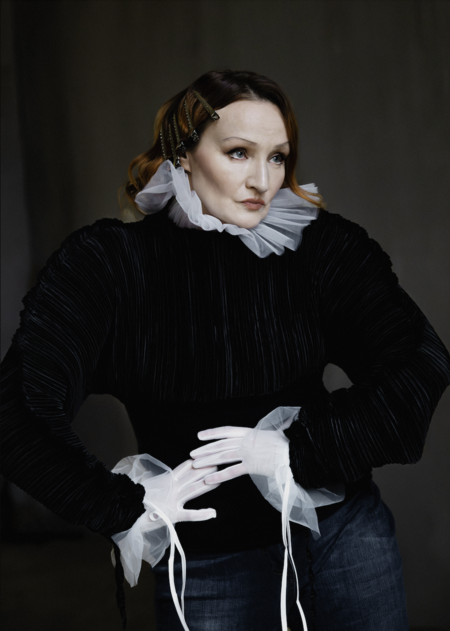
Фотографии: Ксения Кондитерова
В Школу театрального лидера я попала тоже неслучайно. Её бы не произошло, если бы в своё время не было столько намолено в Театре.doc и не было поставлено мной два крутых, по мнению критиков, спектакля, если бы театральное сообщество в Москве не обратило на это внимание. Это тоже труды — собирание сообщества! А после Школы театрального лидера было сообщество стендапа Циммермана — мы, кстати, не теряемся, у нас будет с ними новый проект. Это всё обучение, понимаете? Я не знаю, где сейчас учат пробивать стену лбом, доводить дело до конца. Не знаю. Я хожу к студентам театральных вузов и вижу, что зумеры — это совершенно другие люди. Им по 20, по 19, 18 лет, но они по сознанию ближе к 12-летним детям. Они совершенные Маугли в социуме. Для них — без навигатора дойти нельзя, без интернета какие-то вещи узнать невозможно. Им очень тяжело. Их мастера, люди моего поколения, не знают, что с ними делать. Ты начнёшь давить на человека, как давили на нас, а у человека температура поднимается, у него какая-то болячка открывается. С ними нельзя так. С ними надо как-то по-другому, понимаете? Все эти тупиковые мотивации с ними не работают. Потому что человек реально может умереть от стресса. Нас спрашивали: «А вы будете целовать ступени МХАТа?», и мы отвечали: «Конечно! Да! Да!». А у зумеров вообще другая история. Если заплатите! За деньги — да. Там другая мотивация. Поэтому сейчас нужно перестроить институт актёров и в целом обучение. Нужно понять, что за поколение обучается. Очень хорошо изучить их психику, их мотивацию. Людям моего поколения это практически невозможно сделать. Это должны быть лидеры среди них. Они должны как-то вскрываться. И они появляются потихонечку.
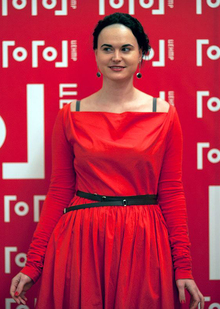
Елена Новикова. Версия «Педагог стендапа»
М: А вы сами чему учите на курсах стендапа? Е: Я не совсем с молодыми людьми работаю в стендапе. Хочу научить методике, которая у меня наработана, своим инструментам, и научиться обнажать какие-то свои мысли, свою боль. Мне кажется, для стендапа это очень важно. Вскрывать какие-то свои болячки, обязательно отрефлексированные. Это 100% попадёт в аудиторию. Потому что в аудиторию попадает то, что искренне, то, что действительно было с человеком, к чему есть доверие. И все люди, находящиеся в зале на стендапе, всегда хотят избавиться от этого страха — стать неудачником, не смочь построить отношения и так далее. И когда человек на сцене говорит о том, что он тоже это пережил, и говорит об этом смешно, как бы ржачно, ставит себя как предмет атаки и показывает тем самым человека, который справился с такой тяжелющей проблемой, то вот это для меня и есть настоящий стендап, вот это вот искусство. Мысли могут быть маленькие, мысли могут быть большие, но самое главное, что человек точно должен уже с ними справиться.