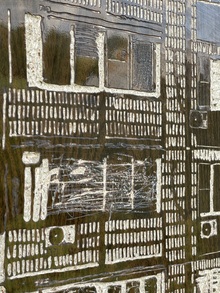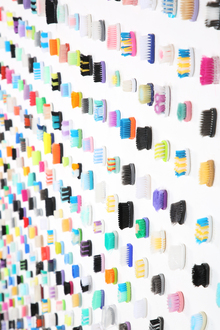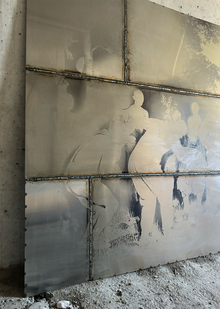
Сегодня я переписывалась с одной из самых красивых и благородных женщин современности. Она рассказала, что только что посетила Лувр Абу-Даби в ОАЭ, и прислала фотографии из музея. Объекты на фото были такими совершенными, что я решила узнать про этот удивительный храм искусств больше.
Покопавшись в литературе про музей, я выяснила (и это меня впечатлило), что:
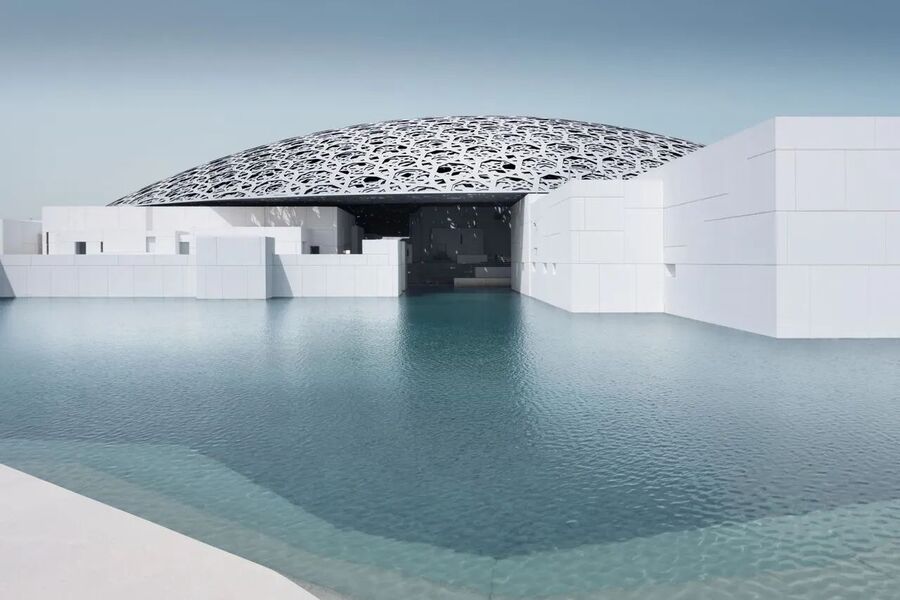
Решетчатый купол 7’500 тонн, возвышающийся над Лувром Абу-Даби и состоящий из 7850 алюминиевых звездочек, формирует эффект «светового дождя», который нежно омывает 55 сверкающих белых зданий внизу (архитектор Жан Нувель).
Лувр Абу-Даби объединяет произведения искусства различных эпох и географических регионов, подчеркивая общность человеческого опыта. Именно поэтому его называют первым в мире универсальным музеем.
Помимо главной аллеи, здесь есть несколько боковых залов, посвященных отдельным художникам и темам. В одном из них работы Родена соседствуют с древнеримскими скульптурами, создавая уникальный диалог между эпохами.
Галерея «Мир в перспективе» предлагает зрителям погружение в эпоху Возрождения через такие шедевры, как «Прекрасная Ферроньер» (1495-1499) — одна из 15 сохранившихся картин Леонардо да Винчи, а также бронзовый «Аполлон Бельведерский» Франческо Приматиччо (1541-1543) и венецианская работа Тициана «Женщина с зеркалом» (ок. 1515).
Медитативная картина Марка Ротко соседствует с цветным блоком Сайеда Хайдера Раза, а мобиль Александра Колдера размещен рядом со скульптурой Салуа Рауды Шукер — оба произведения исследуют движение и форму.
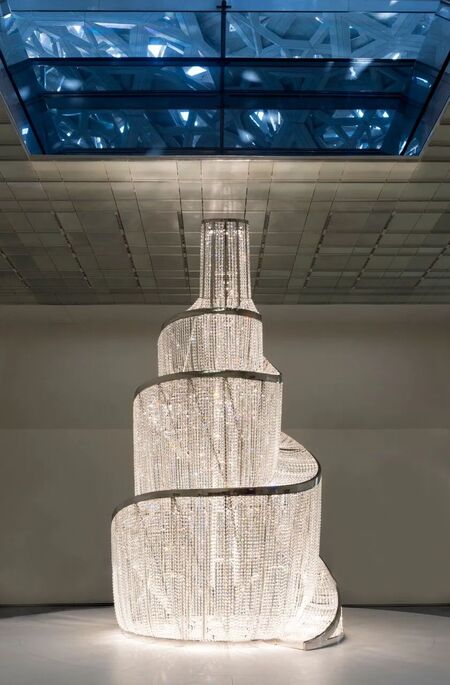
Современный зал музея завершает экспозицию скульптурой Ай Вэйвэя «Сверкающая люстра». Этот фонтан света (2007), созданный по проекту Татлина в честь памятника Коммунистическому интернационалу, одновременно хрупок и роскошен. Визуально он также напоминает Вавилонскую башню — библейский миф о разделении мира на различные сообщества с разными языками.