План урока
◦Научить студентов структурировано рассказывать о процессе создания проектов. ◦Расширить лексический запас ◦ Попрактиковаться использовать более сложные грамматические конструкции: связки последовательности, лёгкий пассив.

Hi everyone! Today we’re going to talk about your work and creative process. Let’s start with a short warm-up to get our English flowing.
We’ll work in pairs first, then share with the group. Ask your partner these questions:
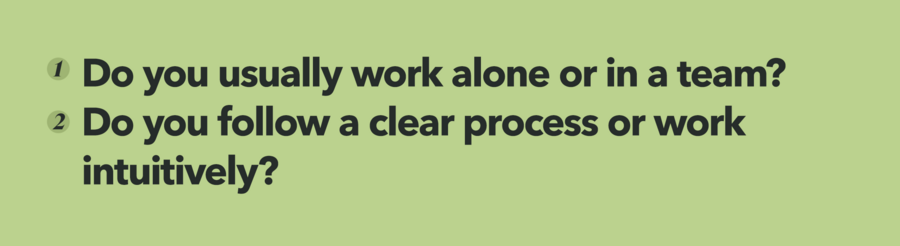
Take turns answering. Try to give short explanations and use English as much as you can. Then let’s come back together as a group. I’d like a few volunteers to share something interesting about their partner’s work.

Now that we’ve talked about how you work, let’s look at some important words and phrases for describing your creative process. These words will help you explain your projects clearly in English.
First, let’s understand the words.
Take one word and try to explain it in your own words. You don’t need a perfect definition. After that, use the word in one simple sentence.
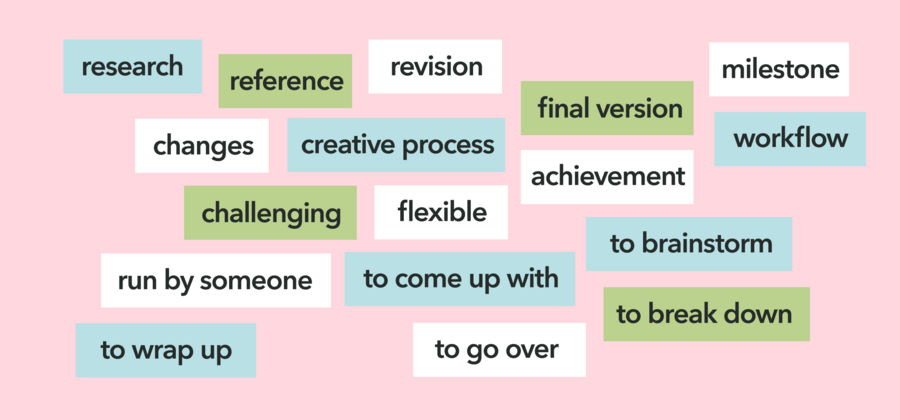
Which of these words are new for you? Which words can you use in your pitch or presentation?
Great! These words will help you talk about your creative process clearly. We’ll use them in our speaking practice today.
Now we are going to look at some useful grammar and language to help you talk about your creative process clearly. We will focus on three main things:
Don’t worry — we’ll keep it simple and practice speaking immediately.
1. Linking Words & Sequencing
We use these words to show the order of steps in your process. It helps the listener understand what happens first, next, and last.
2. Gerunds After Verbs (Process Language)
Sometimes we describe a process using a verb + -ing. It’s a simple way to explain what we do in each step.
Examples: ◦I start by doing research. ◦I focus on understanding the client. ◦I continue working on the concept. ◦I finish by preparing the final design.
3. Passive Voice
Sometimes in design, the process is more important than the person doing it. We can use passive voice to focus on what happens.
Now that we know how to show the order of steps, describe what we do, and focus on the process, we can practice speaking about our own workflow.
Remember to use linking words, gerunds after verbs, and light passive. Don’t worry about mistakes — the goal is clear and logical communication.
Now it’s your turn to talk about your own creative process. You will work in pairs.
Your task is to:
Alright, let’s come back together as a group.
Now I’d like each pair to choose one interesting thing about your partner’s creative process.
It can be: ◦how they start a project, ◦how they get inspiration, ◦how they work with feedback, ◦or something that surprised you.
You don’t need to share everything — just one detail is enough. Please share this information with the whole group in one or two sentences. Try to speak about your partner, not about yourself.
Great job! You were able to listen, understand, and report someone else’s creative process in English. This is an important skill for designers when working in teams or talking to clients.
Now we’re going to do a more challenging speaking activity. This task will help you talk not only about your creative process, but also about problems and solutions.
You will work in small groups of two or three people.
Each group will get: ◦Process cards — the steps of a creative project ◦Challenge cards — possible problems or difficulties ◦Solution cards — ways to solve these problems
Your task is to build a realistic creative process using the cards.
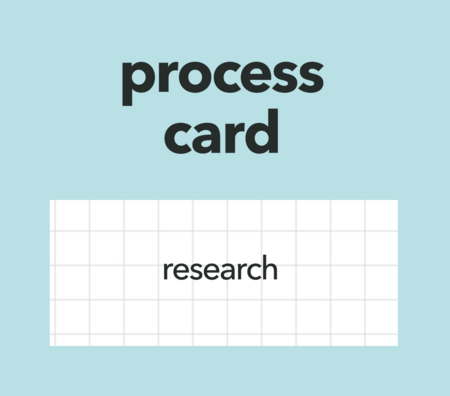
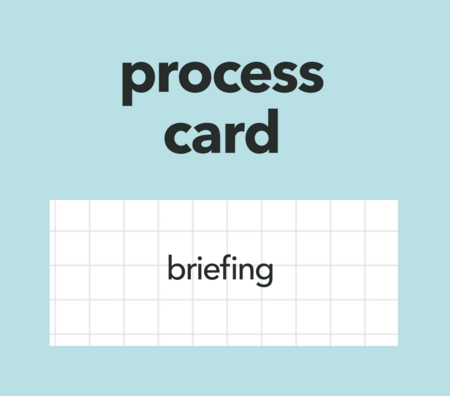


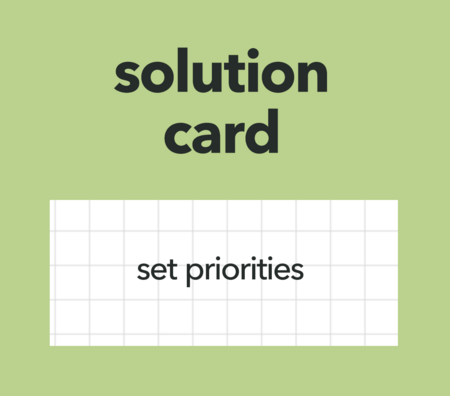
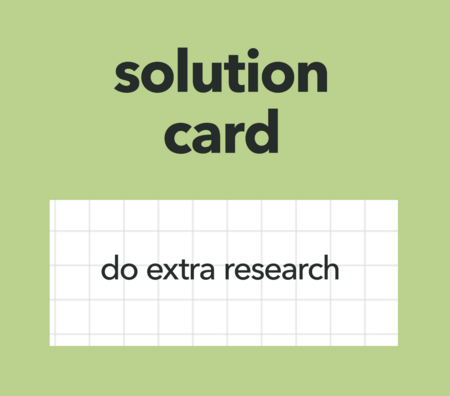
First, choose 6–8 process cards and put them in a logical order. Then, choose 2 challenge cards. These are problems that can appear during the process. For each challenge, choose one solution card. Now your process is not perfect — it has real challenges, just like in real projects.
You will explain your process out loud in English.
Время выполнения задания: 10-15 минут Формат выполнения: студенты выполняют задание в группах по 3 человека.
Главная цель этого задания заключается в том, чтобы активизировать лексику, связанную с разными рабочими процессами.
В результате выполнения задания: ◦научатся структурировано описывать креативный процесс ◦освоят лексику ◦будут использовать более сложные грамматические конструкции в речи
Great job, everyone. This was a challenging task, and you handled it really well.
Let’s take a few minutes to reflect on the activity.