CONTENTS
- Communication theory in the field of design
- Presentation of the SPIRIT brand for general audience
- Presentation of the SPIRIT brand for professional audience
- How we arrived at the strategy
- A list of sources of images
Communication theory in the field of design
An online course in communication theory became the methodological basis for developing a strategy to promote a brand of aroma diffusers through communication. Based on all the studied materials, we came to the conclusion that communication is not a secondary tool for transferring information, but a way of producing meanings that play a key role in interaction.
Communication theory in the field of design includes visual form, symbols, text, cultural codes, and context. This method made it possible to build a brand strategy through meanings.
In our project, the aroma diffuser is not only an interior object, but also a reference to memories. Many people associate events, life stages, and close people with smells. Therefore, through communication, we want to connect the user with a certain mood or event. In this way, our brand communication does not end with advertising, but continues throughout the use of the product.
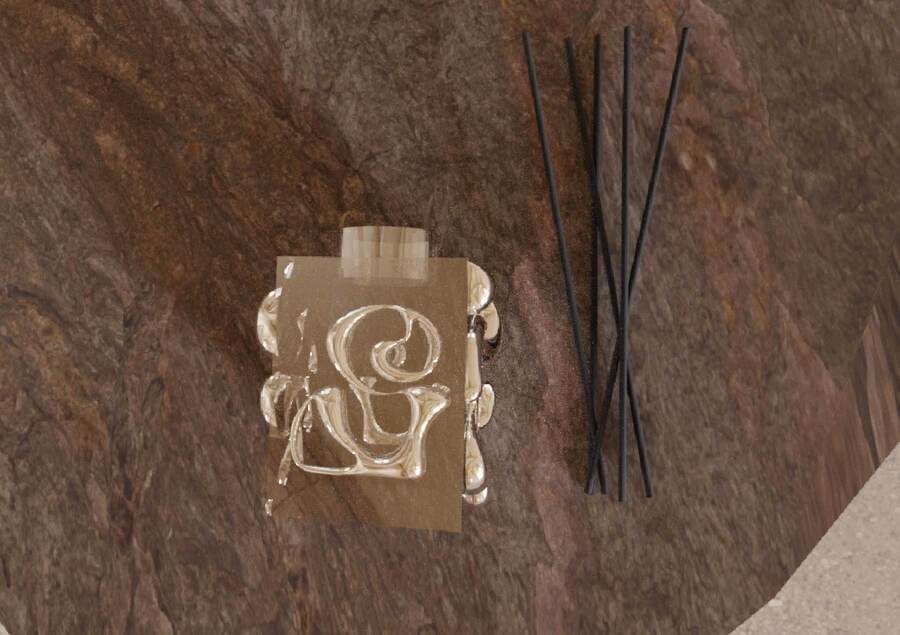
For us, the elements of communication are: - Visual elements (graphic part, bottle shape) - Verbal elements (text, fragrance names) - Non-verbal elements - Sensory elements (smell)
Communication methods: - Visual communication - Sensory communication - Narratives - Communication through the facility
For us, the elements of communication are:


— Visual elements (graphic part, bottle shape) — Verbal elements (text, fragrance names) — Non-verbal elements — Sensory elements (smell)
Communication methods:
— Visual communication — Sensory communication — Narratives — Communication through the facility
Presentation of the SPIRIT brand for general audience
If you want your memories to always be near, we present aroma diffusers that help recreate events connected to certain scents.
Slogan:
A scent that speaks to you. Spirit is a brand of aroma diffusers that create atmosphere and mood. It is not just a simple scent, but a feeling of comfort, calm, and inspiration in your home. These are memories that will stay with you forever.Each fragrance fills the room with emotion to make your vacation better, your work more productive, your home more comfortable, and your memories brighter.
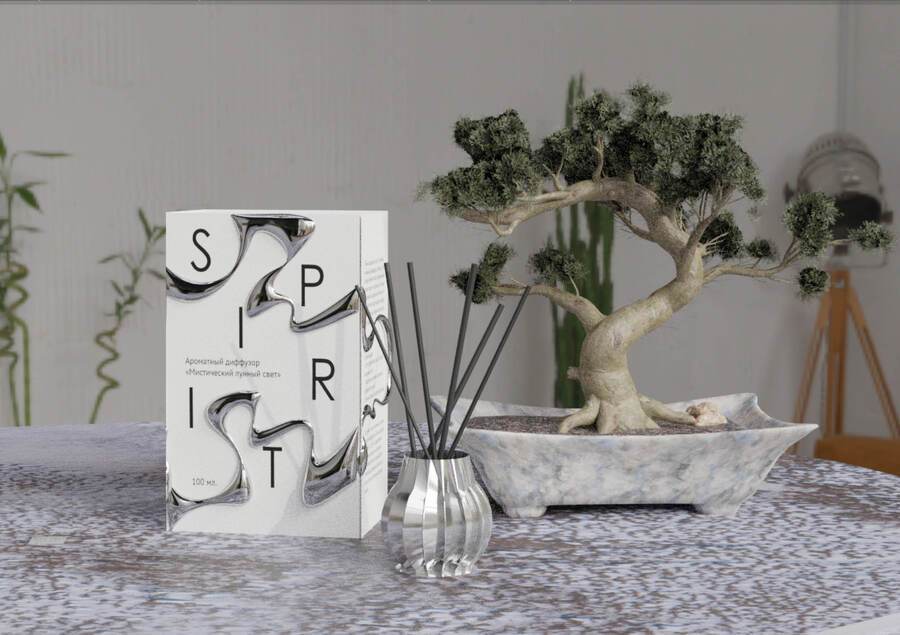
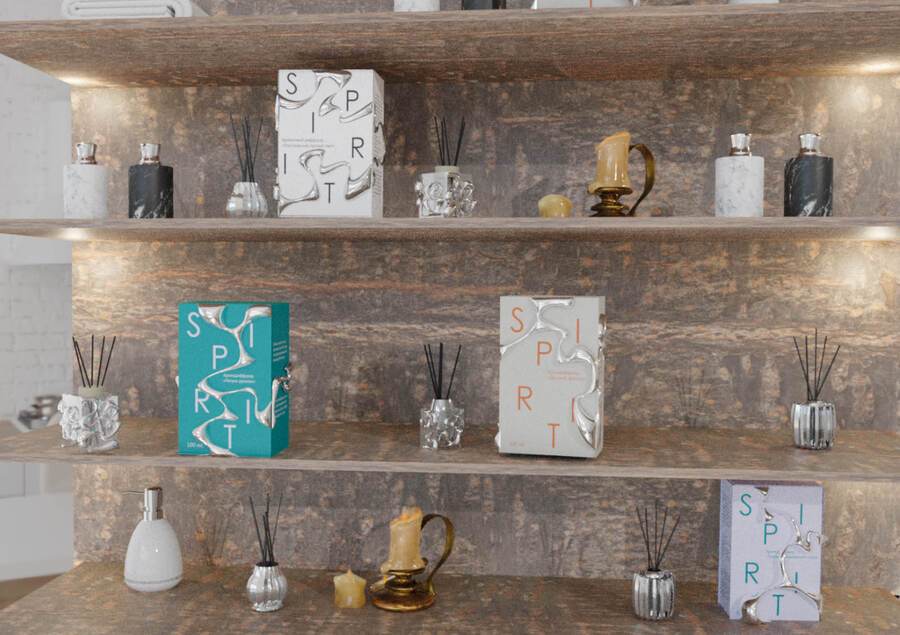
Spirit diffusers fill the space with feelings that you can experience again each time you use the scent. This object is more than just an interior item — it is a memory in the air.
Slogan:
Scents that stay with you.Everyone carefully chooses the scent that will surround them. That is why, in our large collection of aroma diffusers, you will definitely find the scent you like.
Why Spirit is unique: Minimalist interior item: A diffuser that looks beautiful in any interior and does not create visual noise. A guide to memories: Once you experience a scent, you will remember it forever, and when you meet it again, it will bring back memories. Home comfort. A dialogue with the past.
Through scent, we reach our customers, their emotions, and their memories to make every interaction personal.
Presentation of the SPIRIT brand for professional audience
Concept:
Spirit is an aroma diffuser brand that creates a unique sensitive experience. Our product is positioned as a tool for creating an atmosphere in a space. We create brand value through the personal experience of the consumer, where the fragrance, design and meaning refer a person to pleasant sensations.
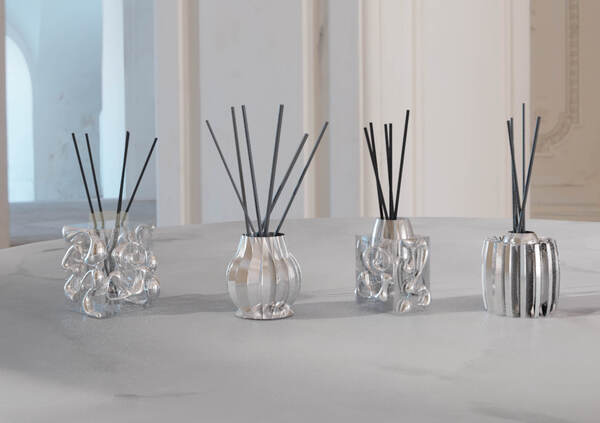
The brand’s target audience:
- For middle- and upper-middle-income people - For people aged 20 — 45 years - For creative people who care about the aesthetics around them. - For housewives who need to feel comfortable at home. - We are also considering cooperation with B2B partners. For example, spas, hotels.
Graphic elements
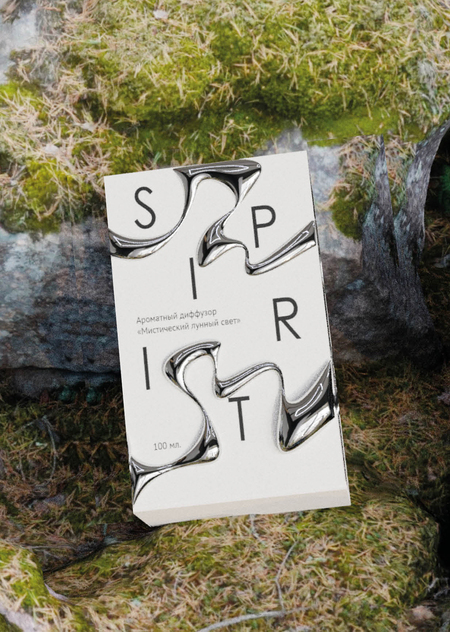
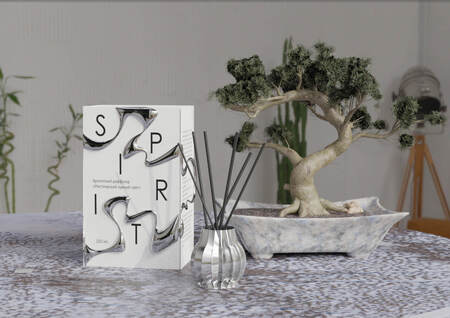
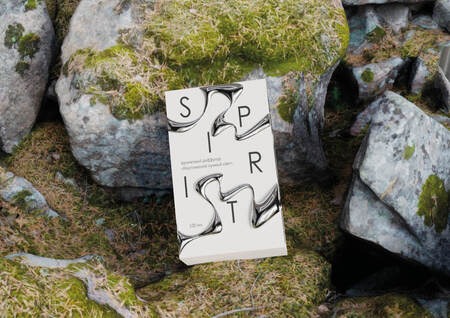
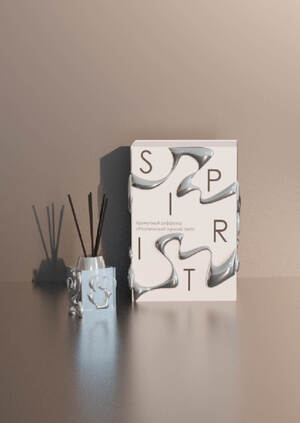
A metaphor for the main graphic element: a diffusing odor in a room. Based on the motif of the wave (the main graphic element), the logo is made, which represents the first letter of the brand name S — Spirit.
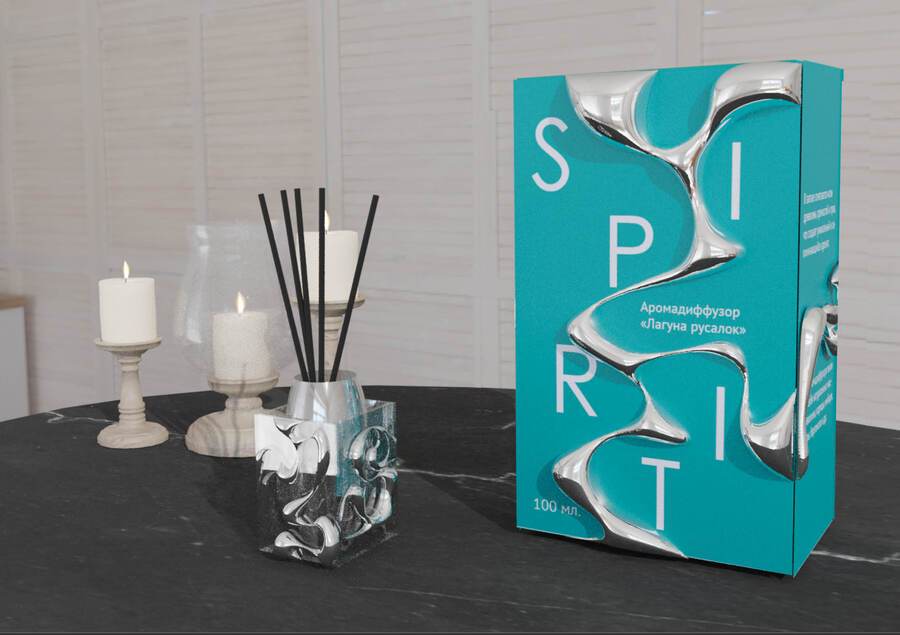
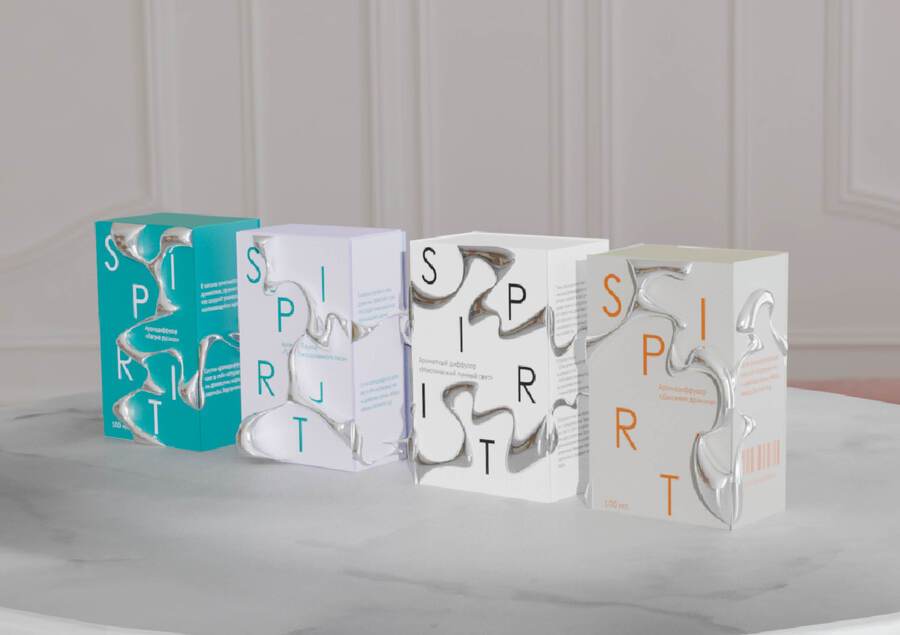
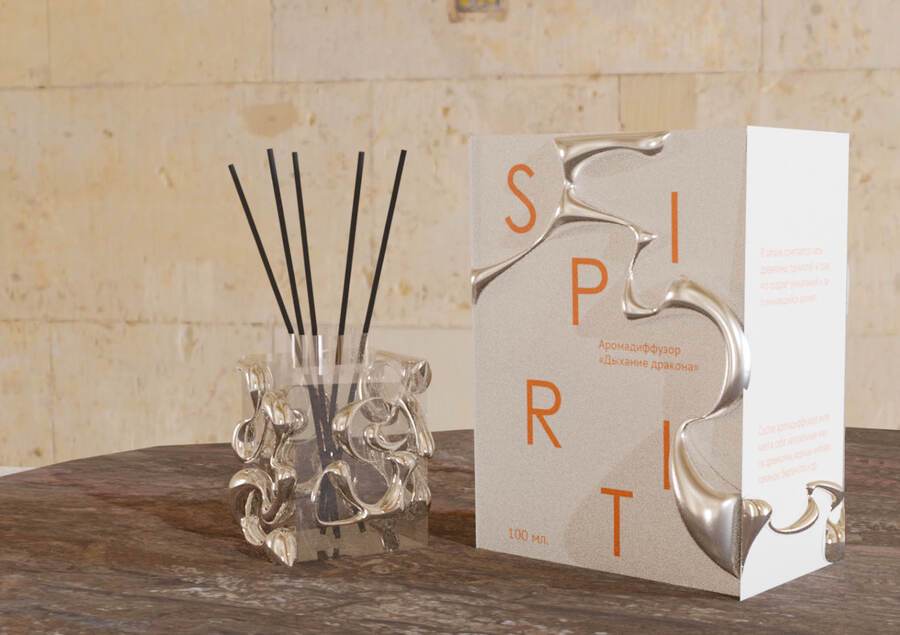
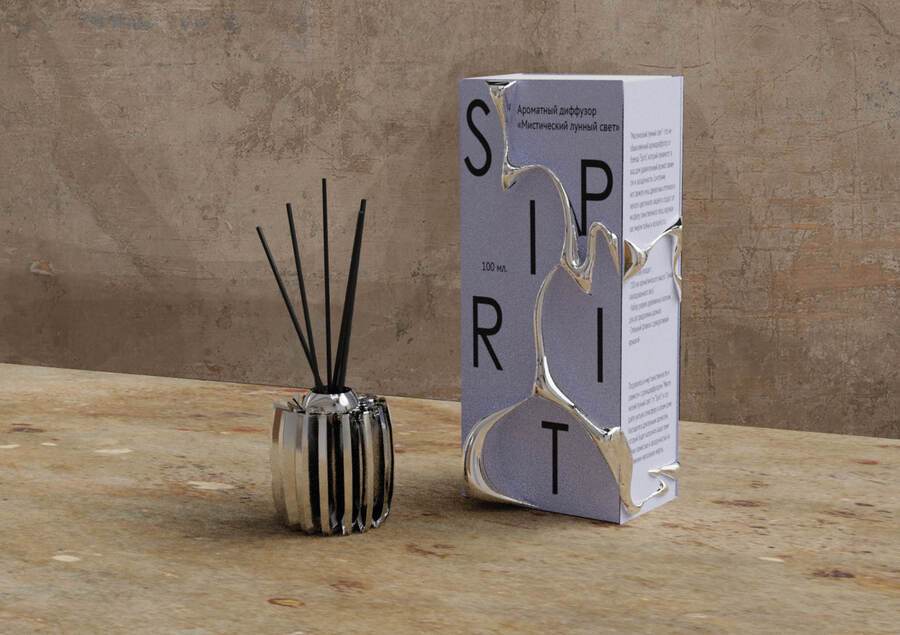
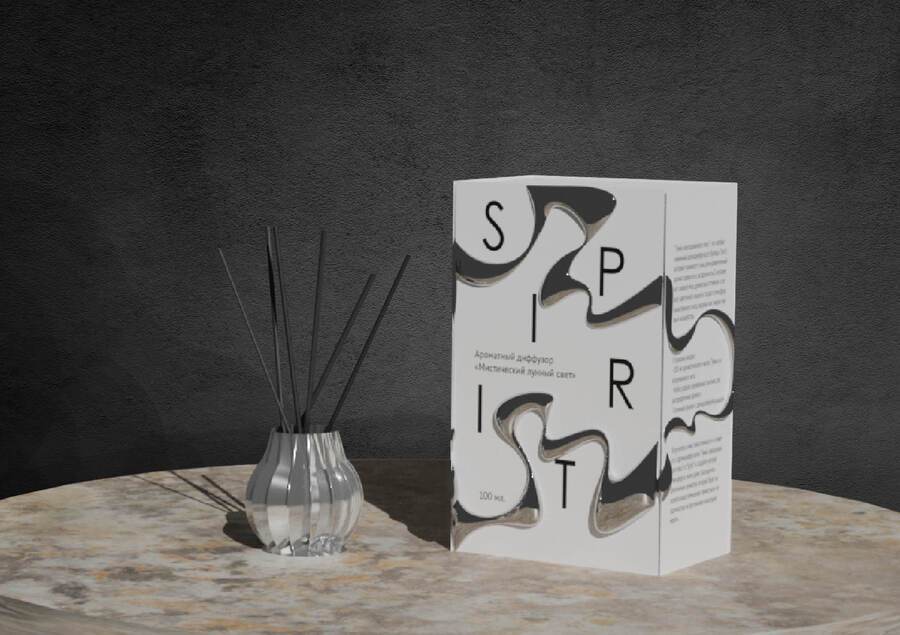
We use the semiotics tradition with the help of metaphor. The graphic part allows the buyer to read the meanings through the visual. We convey an idea not only through slogans, but also through a picture.
On the advertising posters, we use the same graphic elements as in the packaging in order to form a unified style.
We also pay special attention to places where you can buy or meet aroma diffusers. Therefore, our products will be sold in popular cosmetics stores, large marketplaces and home improvement stores that have a good reputation. Thanks to cooperation with stores and B2B partners, we will gather a large customer base.
Our product is made for sensitive people. Those who deeply feel this world, who attach a lot of importance to the things around them. We want to help the audience experience this world more vividly, so we take responsibility for all stages in the development of aroma diffusers, as well as when communicating with customers.
How we arrived at the strategy
Developing a communication strategy is based on understanding communication not as a tool for conveying information, but as a way to create meanings that shape communication between our brand and customers. Since our project is about smells, it is important to fully cover all possible communication paths. From graphic elements to the sense of smell. We interact not only verbally with customers, but also non-verbally. Thanks to this approach, we interact with humans on all sensitive levels.
Communication takes place through visual and sensory elements, through smell, through narratives, as well as through the environment in which the customer meets with our product.
Visual elements: waves, 3D effect, muted colors — all this was chosen specifically to convey to the customer the deep meaning of our products and create a strong emotional connection. This should work in accordance with the semiotic theory that symbols have a special power that is not inherent in the text. The visual identity of a brand is dictated by its idea and meaning.
From Craig’s seven traditions, we use especially Semiotic, Socio-cultural, Critical, Socio-psychological.
Thus, the communication strategy is based on combining verbal, non-verbal, visual, sensory and narrative channels. This allows you to create a story around the product that will become the main element for emotional contact with the target audience of the Spirit brand.
Visual communication