
How communication theory works in the field of design and art
Communication theory is a set of conceptual tools that allows us to understand how meaning is created and transmitted in any visual or practical form. In design and contemporary art, these tools become some kind of lenses through which the artist or designer formulates a message, while the viewer decodes it.
Firstly, communication is viewed as a process of encoding and decoding. The author of the idea (sender) translates the concept into visual signs—such as color, shape, typography, and material—while the viewer (receiver) interprets them based on their own experiences and cultural context. As emphasized in the lecture, the same image can be perceived differently: a book, a film adaptation, an installation—each version alters the «code» and, consequently, the meaning.
Secondly, the theory distinguishes between two levels of signs: verbal (text, titles) and non-verbal (gestures, visual metaphors, emojis). In design, a combination of both is often employed: a logo may include both a word and a symbol, while in performance art, the artist plays with bodily gestures that become part of the message.
Thirdly, context is crucial. The meaning of any visual act is formed under specific conditions: gallery space, a street stand, or a digital screen. In different contexts, the same object elicits different reactions, highlighting the importance of considering the environment when developing a project.
Seven traditions of communication theory (Craig) help choose an appropriate analytical angle. In design, the cybernetic tradition (system of channels, noise, feedback), sociocultural tradition (influence of cultural codes), semiotic tradition (study of signs and their meanings), and rhetorical tradition (the art of persuasion) are often applied. For example, when creating an advertising campaign, a designer might use the cybernetic perspective—determining the channel (social media, billboard), accounting for noise (competing messages), and planning for feedback (likes, comments). In developing an exhibition, an artist may rely on the sociocultural tradition by exploring how historical and ethnic symbols impact the perception of the installation.
The theory emphasizes the role of feedback and transactivity. In interactive projects, the viewer does not merely receive a message; they become a co-author, altering the meaning in real-time. This transforms communication from a linear process into a dialogue, where each act of perception generates a new layer of meaning.
Thus, communication theory in design and contemporary art serves as a methodological foundation: it aids in forming clear codes, taking into account cultural and situational contexts, selecting appropriate analytical traditions, and building dialogue with the audience, transforming the visual object into a vibrant process of meaning exchange.

General audience
In a world where everything is usually flat and has its own boundaries, sometimes you just want to see more art.
Artinity is more Than Just Clothing: It’s a celebration of creativity, self-expression, and community. Get ready for our next collection!
the brand’s slogan
Our mission is to merge the worlds of fashion and art, allowing to express yourself through wearable pieces of art, while also supporting your favourite artists.
Artinity is a unique fashion brand that collaborates with talented artists to create limited-edition clothing. Our focus is on T-shirts and hoodies that showcase diverse art styles. Every season, we partner with a different artist who brings their unique perspective and style. This keeps our collections fresh, exciting, and ever-evolving.
Why would you choose us?
• Support Artists: A portion of every sale goes directly to the collaborating artist. • Unique Fashion: Stand out with one-of-a-kind pieces that reflect your personality. • Community Engagement: Join a community of art and fashion lovers who appreciate creativity.
What do we mean by saying «combining art and fashion»?
To further explain what our collection can look like, meet our first three artists that we are collaborating with!
Cubism collection
This collection is dedicated to the famous and iconic works of art by Russian artists, but presented in a new vision: through Cubism. The artist reinterpreted well-known images from several paintings, placing them in a different genre that differs from the original by incorporating geometric and simple forms.
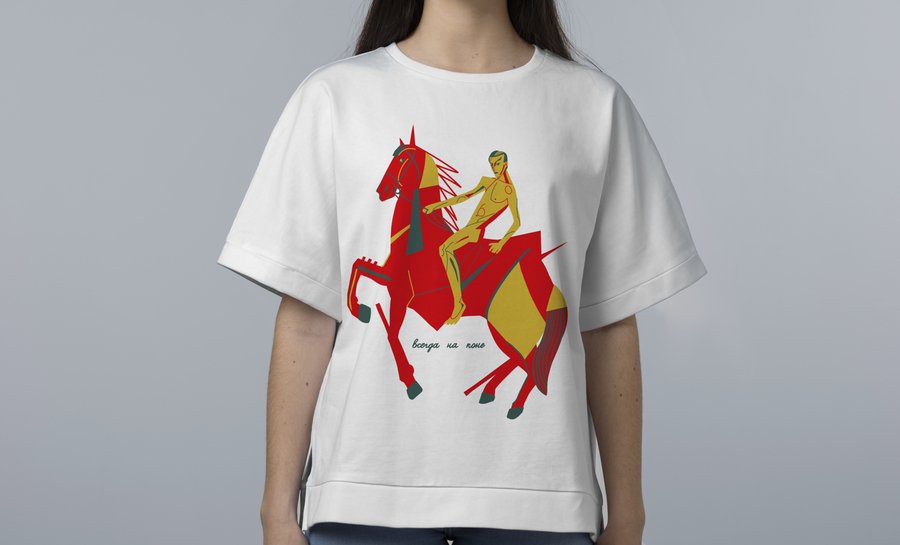
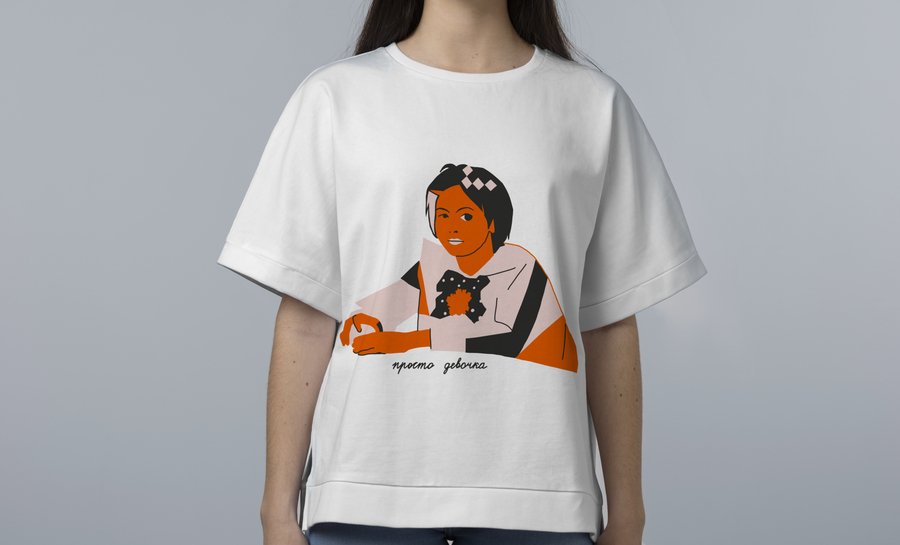
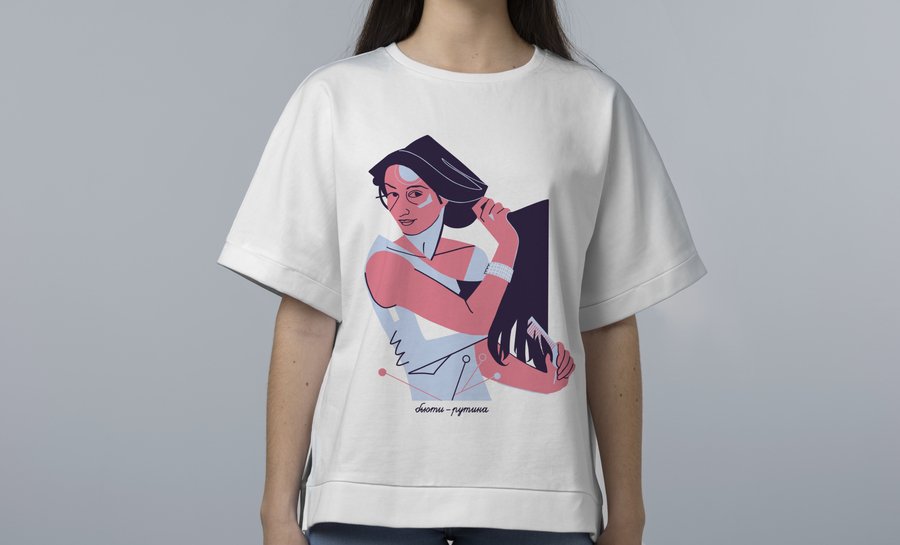
The disappearance collection
This collection is dedicated to the theme of disappearance and how a person can evaporate into space. The artist chose an impersonal human image and placed it in various situations associated with disappearance from reality.
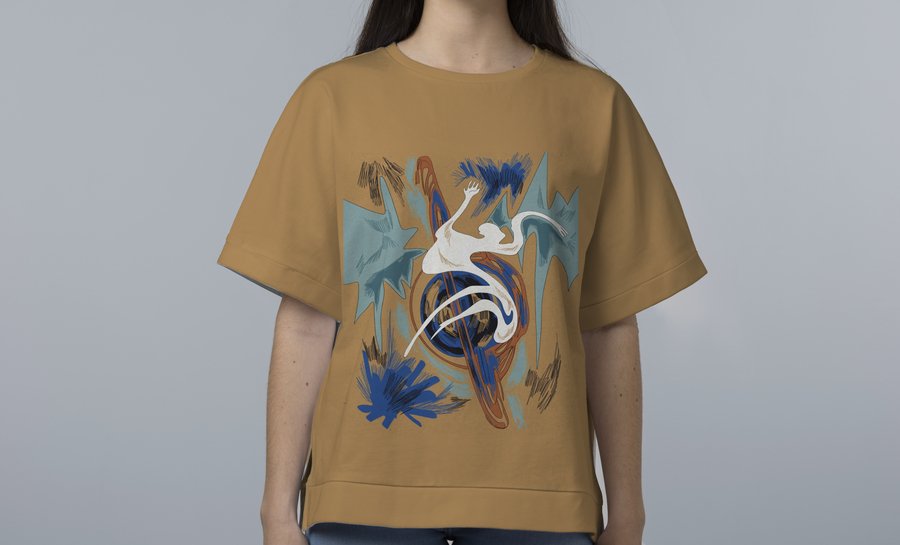
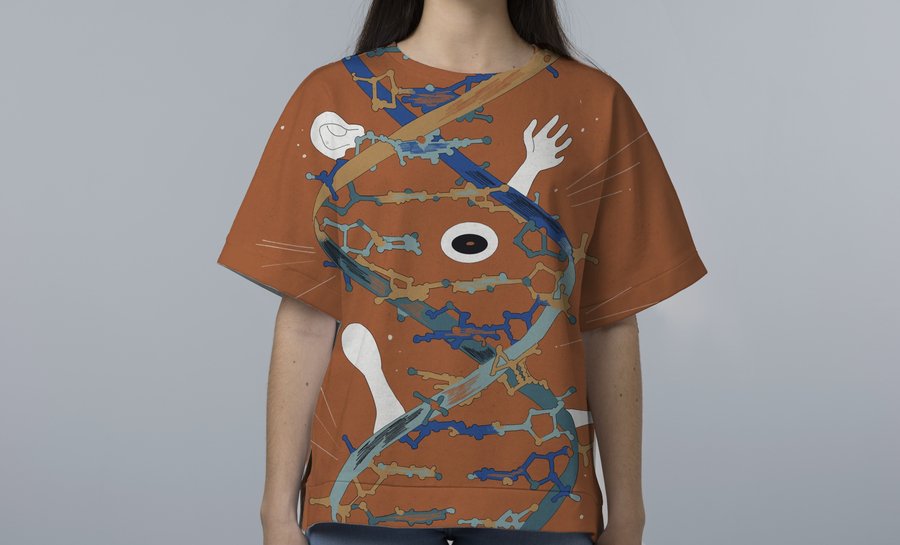
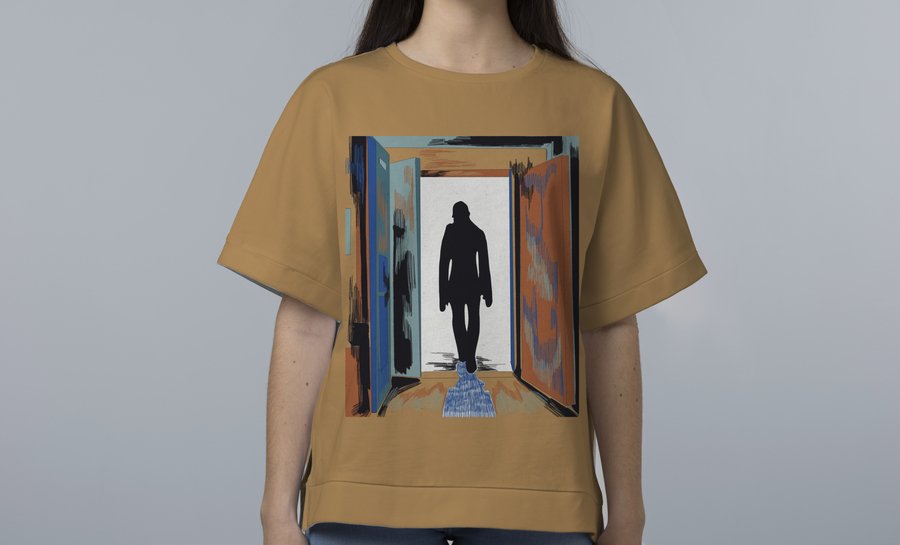
The myth collection
This collection focuses on mystery and darkness. Mythical creatures, understatement in design, and a dark atmosphere. This artist is searching for his path in the aesthetics of the unusual, dark and magical.
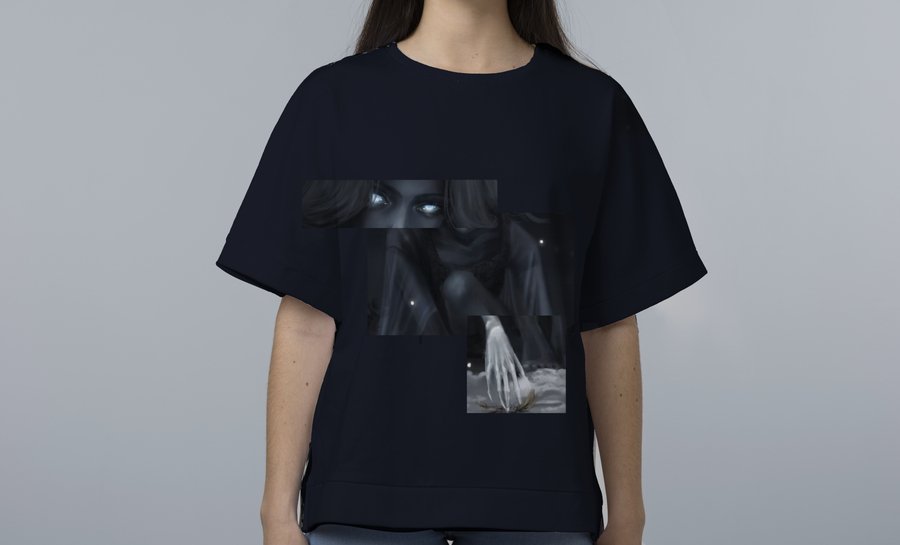

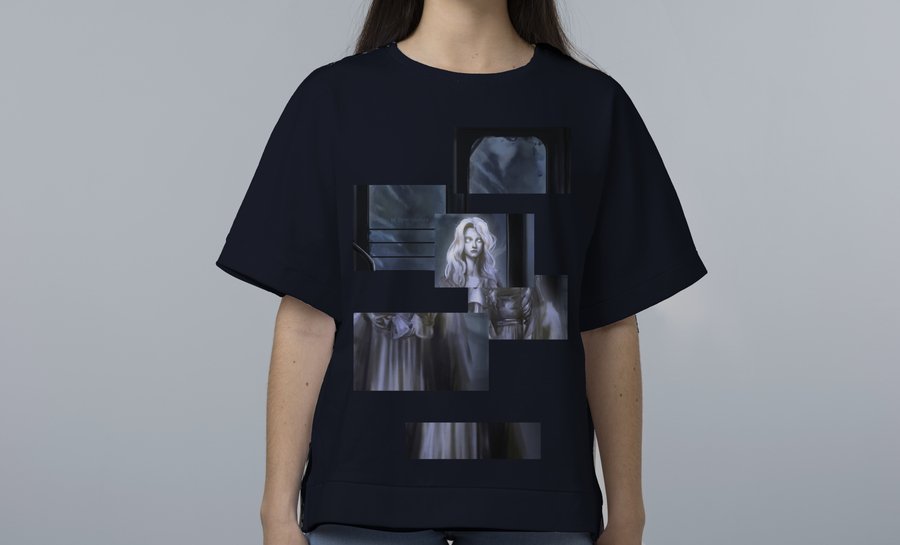
Professional audience
Our philosophy on color is fundamentally collaborative and liberating. Unlike brands defined by a static, proprietary palette, we consciously forgo a fixed primary color scheme. This is a strategic choice rooted in our deep, iterative partnerships with artists. We believe that authentic creativity cannot be prescribed; it must be discovered.
The name Artinity is a deliberate blend of Art and Infinity. This combination perfectly captures our ethos. Art signifies our dedication to serving as a platform for creative voices, transforming original works into wearable statements.
Infinity reflects our belief in limitless creative possibility — the timeless dialogue between artist and wearer, and the endless personal interpretations each piece inspires. Together, Artinity promises an ongoing journey of artistic discovery and connection.
Therefore, our core visual framework — built on a foundation of minimalist neutrality with black, white, and the nuanced, blue tones symbolizing the sky and freedom in creativity, as well as the flight of thought. This restrained backdrop ensures clarity and cohesion, while actively creating space for the artist’s voice to introduce and define color on its own terms. In each project, the color story emerges organically from the dialogue, the narrative, and the emotional core of the work itself. We are not tied to a scheme because we are committed to the unique spectrum of every collaboration.
logo